
A small medieval borgo (historic village) in the Aosta Valley, rich in architectural and artistic detail, historically important for toll collection along the valley's transit routes.
Montjovet occupies a stretch of the Aosta Valley where the terrain has always forced people and goods through a single obligatory corridor between the lower and middle valley. This geographical condition is no minor detail: it is the key to understanding the entire borgo (historic village), its shape, its wealth, and the role it played for centuries in the regional economy. The earliest traces of human presence date to the Neolithic, as attested by archaeological finds within the municipal territory, but it was in the Middle Ages that Montjovet built its lasting identity.
The system of gabelles — the tolls imposed on those crossing the borgo — guaranteed generations of income that translated into architecture. The medieval houses still preserve portals and windows in worked stone, crafted with a care that reveals wealthy patrons and skilled workmanship. This is not a uniform, compact heritage like that of certain walled villages, but a stratification legible in the details: cornices, jambs, thresholds that tell of a prosperity slowly accumulated on the passage of others.
In 1771 King Carlo Emanuele III had the road known as the "Mongiovetta" built, intended to ease connections with Saint-Vincent and smooth trade along the valley route. A commemorative plaque still recalls its origin today. This eighteenth-century intervention fits a logic Montjovet knows well: territory as infrastructure, passage as a resource to be organised and governed.
What remains today is a borgo that has never sought to reinvent itself for show. The local stone, the rhythm of the façades, the scale of the public spaces belong to a building tradition of the Aosta Valley that here finds coherent, largely unaltered expression. Montjovet is not an isolated case in the region, but it stands as one of the examples where the quality of the medieval fabric has been preserved with enough integrity to keep the original settlement logic legible.
Patafisik · CC BY-SA 4.0 — Wikimedia Commons
Certified Made in Italy businesses close to this place.
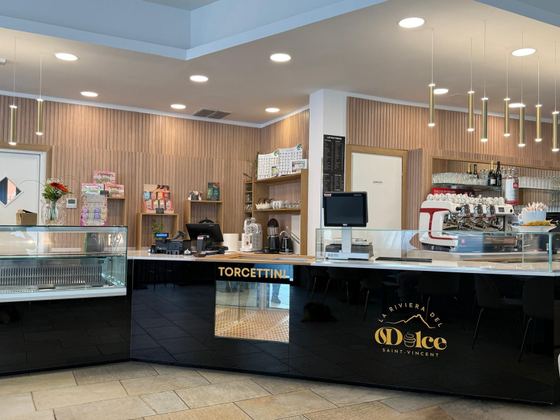
LA RIVIERA DEL DOLCE
Saint Vincent (AO) · 4.3 km
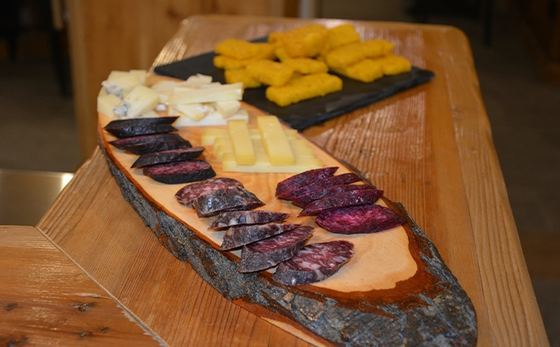
Trattoria Bar Salumificio Sonveulla
Cogne (AO) · 26.2 km
Camping Ristorante Pizzeria Bar Lac Lexert
Bionaz (AO) · 26.4 km
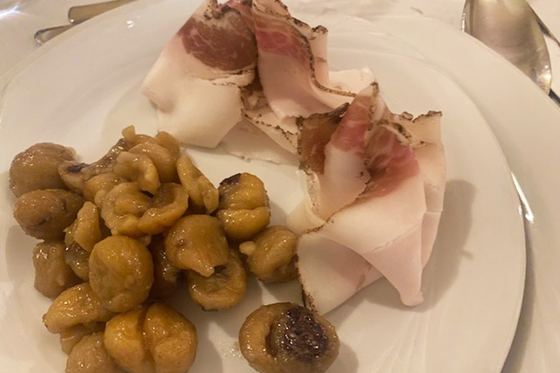
RISTORANTE DEL SANTUARIO
Graglia (BI) · 28.6 km
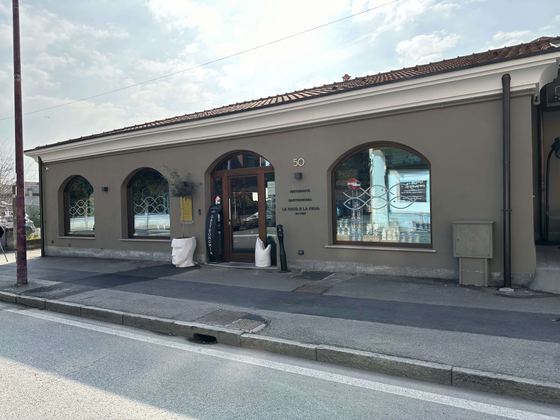
Ristorante La Rava E La Fava
Ivrea (TO) · 32.4 km
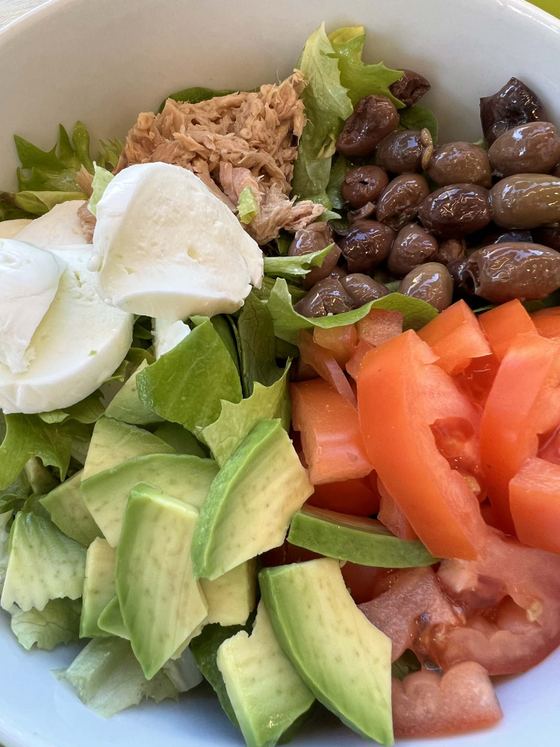
Papi - I Sapori Dell’Orto Di Patrizia E Pino
Ivrea (TO) · 32.6 km
