
Natural geological formations in Val di Cembra, similar to Cappadocia's Fairy Chimneys, set within a striking wine-growing landscape. A rural, natural setting that tells the story of heroic viticulture in this little-visited valley.
Val di Cembra opens like a clean cut in the Trentino landscape, carved by the Avisio stream between steep walls where terraced vineyards climb for hundreds of metres. It is a side valley, running parallel to the better-known Val di Fiemme, which for a long time kept to the slow rhythms of mountain farming. Here, in the municipality of Segonzano, at around 875 metres above sea level, the ground gives rise to formations that locals simply call *òmeni* — "men", in dialect — as though these columns of earth had always had the stature of familiar presences in the landscape.
The Segonzano Pyramids are the result of an erosive process that began roughly fifty thousand years ago, at the end of the last Würm glaciation. The Quaternary glaciers left moraine deposits on the slope made up of heterogeneous material — clay, sand, gravel, blocks of porphyry — and over time meteoric water worked this material with differential precision: where a porphyry boulder protected the column beneath it, the earth held its ground; elsewhere it gave way, carving gullies and ridges. The result is towers reaching forty metres in height, some still capped by the protective boulder that allowed them to survive, others already worn down to sharp blades or bare pinnacles in a more advanced stage of their decay. The shapes vary: truncated cones, jagged ridges formed where the watershed between two gullies has thinned, and clusters that call to mind organ pipes.
The comparison with the Fairy Chimneys of Cappadocia, in Turkey, comes up often in popular accounts, and it is not entirely arbitrary: the basic erosive mechanism is similar, even if the materials and scale differ. What sets Segonzano apart is its immediate setting: the pyramids do not rise from a desert or lunar landscape, but emerge among rows of Müller Thurgau and other mountain grape varieties that cover the valley's terraces. The heroic viticulture of Val di Cembra — so called for the slopes and working conditions that make every operation a manual one — forms the living backdrop to these formations, lending the scene a layering of geological and human time rarely found elsewhere.
Albrecht Dürer's presence in these parts is documented through his travels in Italy between the late fifteenth and early sixteenth centuries. The Nuremberg painter depicted nearby Lago Santo, a small lake in the area, in one of his landscape watercolours — evidence of how much this corner of Trentino already struck those crossing the Alps on their way to the Italian peninsula. Today the site can be explored via well-equipped paths — a short one of 1.7 kilometres, and a longer one that winds down among the formations — and remains accessible in every season, without visitor numbers having yet disturbed the place's quiet, contained scale.
G. D. Pavanello · Public domain — Wikimedia Commons
Certified Made in Italy businesses close to this place.
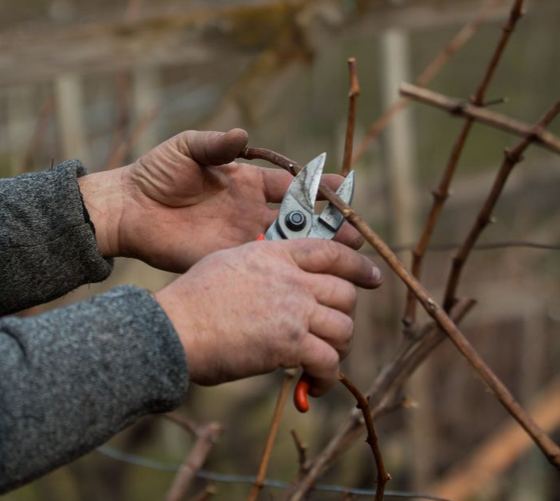
TENUTA GOTTARDI
Cembra Lisignago (TN) · 4.8 km
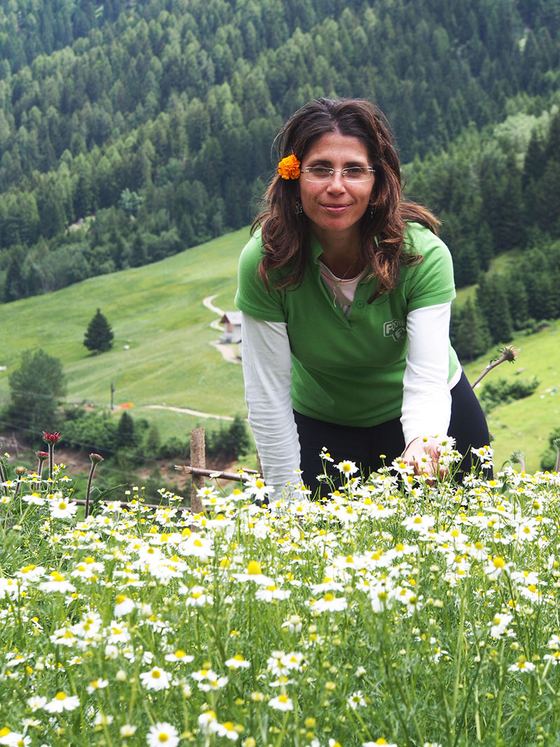
Azienda Agricola Erbevive
Trento (TN) · 18.3 km
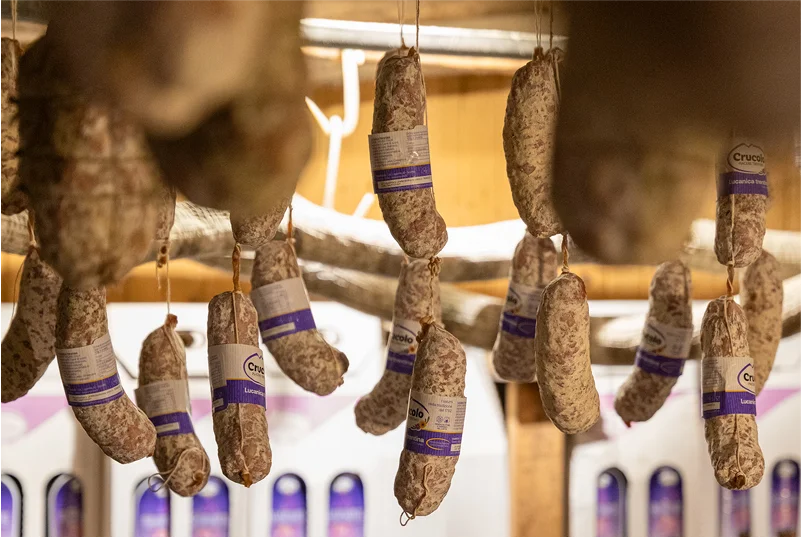
CRUCOLO - PIACERE TRENTINO
G R Scurelle (TN) · 23.4 km
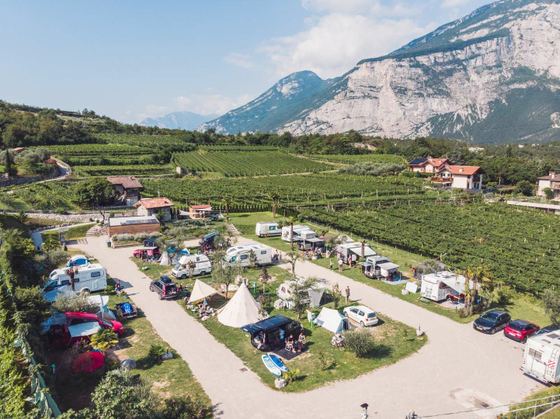
Camping Le Marocche
Cavedine (TN) · 34.1 km
Calchèra San Giorgio
Grigno (TN) · 35.2 km
Malga Roncac
Moena (TN) · 35.3 km
