Before you go on
This site uses only what it needs to work: the language you choose, access to the members' area, and anonymous counts that tell us whether the search is answering well. For advertising campaigns we ask your permission, and without a yes nothing starts. See the full list.

Protected wetland along the Tiber, a refuge for migratory and resident birdlife, ideal for birdwatching and nature walks away from the busiest tourist routes.
The basin that today hosts the WWF Oasi del Lago di Alviano did not exist before the 1960s. It was the construction of a dam on the Tiber that created this stretch of water in lower Umbria, on the border with Lazio, at a point in the valley where the river slows and widens before entering Lazio's territory. What might have remained a simple hydroelectric reservoir instead followed a different course: nature colonised the shores, the shallow waters favoured the formation of marshland environments, and in 1990 WWF formalised the protection of an area that had in the meantime become one of the most significant freshwater wetland systems in central Italy.
The oasis covers roughly 900 hectares and includes a variety of environments that rarely coexist in such a contained space: marsh, pond, bog, water meadow and hygrophilous woodland alternate along the lake's margins, recreating ecological conditions that had disappeared for over a century across much of the Po Valley and central Italy. This combination of habitats led to the site's institutional recognition as a Site of Community Importance (SIC IT5220011) and a Special Protection Area (ZPS IT5220024) within the European Natura 2000 network. The oasis is also part of the Parco Fluviale del Tevere, a regional park of Umbria that also includes Lago di Corbara and the Gole del Forello.
Birdlife is the main reason the site is known among naturalists. Grey herons, cormorants, wild ducks of various species, bitterns and numerous waders frequent the waters and shores throughout the migratory seasons and during wintering. Observation hides distributed along the internal paths allow visitors to approach the wildlife without disturbing it, following an approach to visiting that favours the quality of the encounter over the number of visitors. Those who walk the oasis's paths in silence, in the morning hours of October or March, find themselves in a soundscape and a view that the Italian lowlands now offer in very few places.
The geographical position adds a layer of interest that goes beyond the natural setting alone. Alviano, the medieval village that overlooks the valley from above, belonged to the Monaldeschi family and later to the della Rovere family, and preserves a 15th-century fortress that looks toward the river from the same vantage point once used for centuries to control river traffic. The artificial lake spreading out at its feet therefore has a double timeframe: the recent one of the twentieth-century hydraulic works, and the long one of the Tiber valley's history, crossed by peoples, goods and cultures for millennia. Walking down from the village to the oasis means crossing this layered history in just a few minutes.
For those travelling along the Tiber valley by bicycle or on foot — following the routes that link Orvieto to Todi along the Umbrian bank of the river — the Oasi di Alviano offers a stop that breaks the continuity of the agricultural landscape with something structurally different: a place where water dictates the pace, where vegetation grows according to its own logic, and where wildlife occupies the space with an unusual density for this part of Italy.
Francesca · CC BY 2.0 — Wikimedia Commons
Certified Made in Italy businesses close to this place.
Marco & Andrea Agriturismo Collepina
Amelia (TR) · 7.2 km
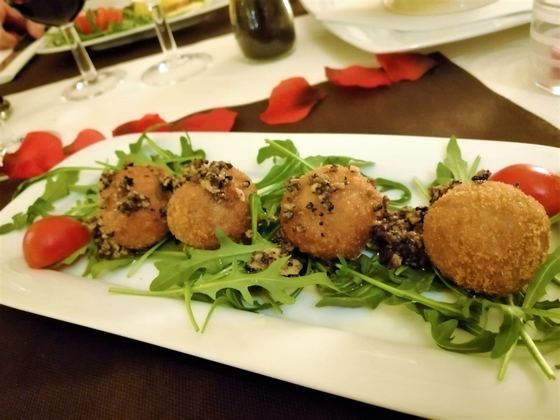
Ristorante Pizzeria Il Roscio
Attigliano (TR) · 8.6 km

LA CASARECCIA Cucina Naturale
Avigliano Umbro (TR) · 12.2 km
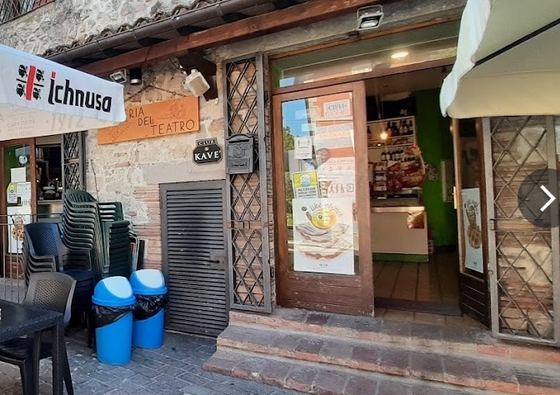
BAR PIZZERIA DEL TEATRO
Avigliano Umbro (TR) · 12.9 km

RISTORANTE PIZZERIA LA POSTA
Avigliano Umbro (TR) · 13.1 km
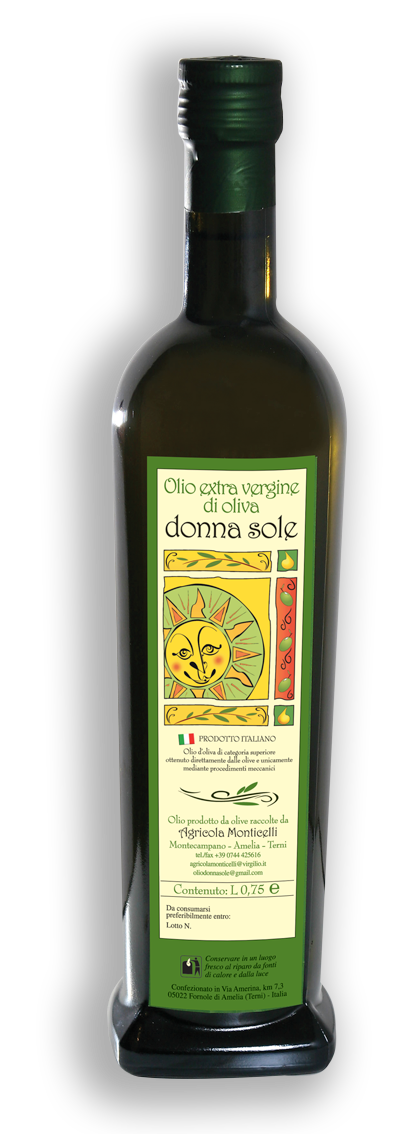
Agricola Monticelli
Amelia (TR) · 13.7 km