
A niche product grown on the plateau of Castelluccio di Norcia, these IGP lentils are among Italy's finest legumes, prized for their small size and thin skin that needs no soaking.
The plateau of Castelluccio di Norcia lies at the heart of the Parco Nazionale dei Monti Sibillini (Sibillini Mountains National Park), at nearly 1,400 metres above sea level, in the province of Perugia. It is one of the highest karst plains in the central Apennines: a closed basin, swept by wind, where temperature swings between day and night remain pronounced for much of the year and snow covers the ground for months. In this environment, the local lentil — known simply as *lenta* to residents — has, over the centuries, taken on the distinctive traits shaped by these conditions.
The seed is sown as the snow melts, when the soil is still cold and damp. The plant grows slowly, adapting to poor, well-drained soil, and yields a small legume with a thin skin that requires no soaking before cooking. This trait is no minor detail: it is the direct consequence of altitude and soil composition, and it is one of the elements the IGP standard — a recognition granted at European level — takes into account in defining the permitted production area.
Between May and July, before harvest, the plain turns into a mosaic of colour produced not by the lentil itself but by the wild species that grow spontaneously among the rows: red poppies, blue cornflowers, white daisies, yellow mustard. This phenomenon, known as the fioritura di Castelluccio (the flowering of Castelluccio), has over the years gained a following of its own, drawing observers from across Italy and abroad. The resulting landscape is, in botanical terms, the reflection of a traditional farming practice that has never relied on systematic chemical weeding, leaving room for wild flora to thrive.
Harvesting is still carried out largely by hand or with small-scale machinery, suited to the modest size of the plots and the shape of the land. The finished product is closely tied to the culinary identity of the Valnerina and Norcia: it goes into winter soups, accompanies the area's cured meats, and appears on the menus of local trattorias as a staple, not a decorative touch. Its presence in the kitchens of central Umbria has been documented for centuries, and the IGP recognition has helped formalise a bond between land and product that already existed in the daily practice of the plateau's families.
Zyance · CC BY-SA 2.5 — Wikimedia Commons
Certified Made in Italy businesses close to this place.
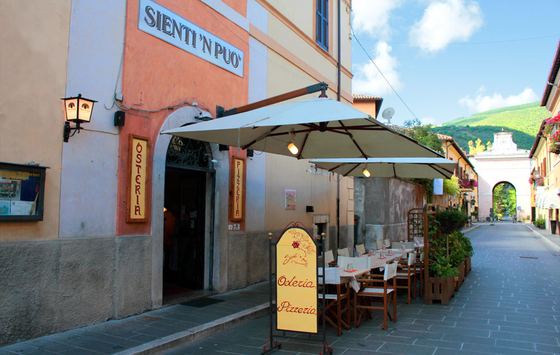
OSTERIA SIENTI'N PUO'
Norcia (PG) · 0.2 km
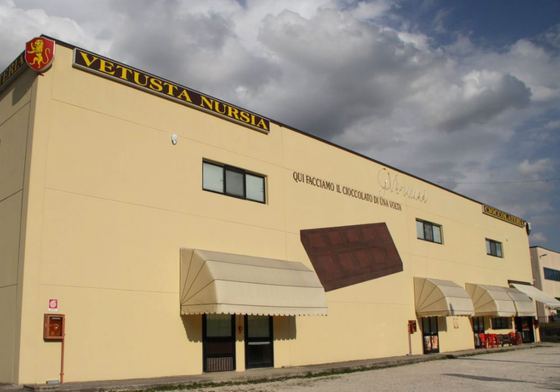
Cioccolateria Vetusta Nursia
Norcia (PG) · 2.5 km
RISTORANTE PIZZERIA LA LANTERNA
Cascia (PG) · 9.9 km
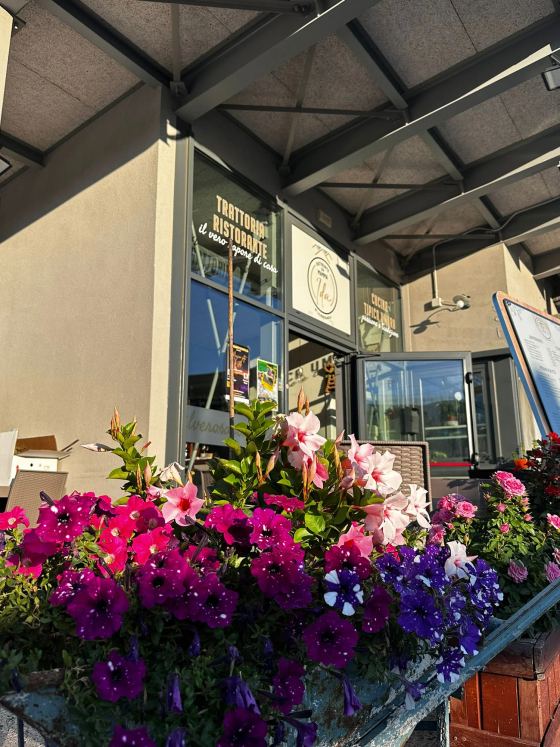
RISTORANTE DA MAMMA IDA
Castelluccio di Norcia (PG) · 10.3 km
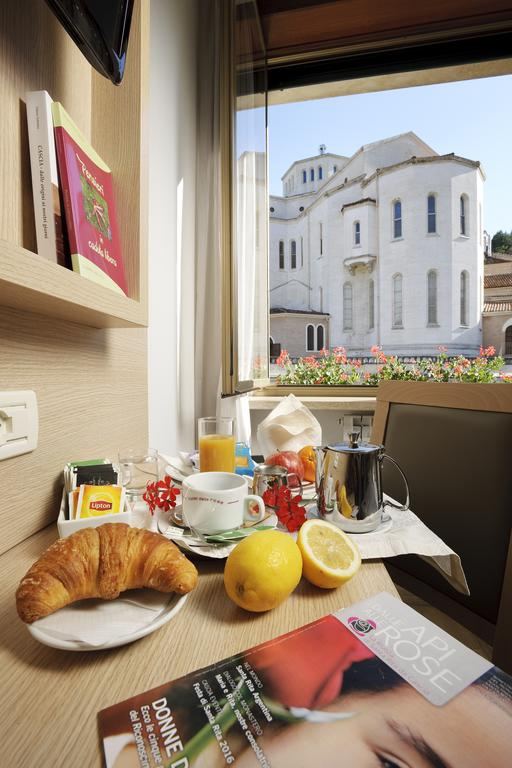
Hotel delle Rose
Cascia (PG) · 10.4 km
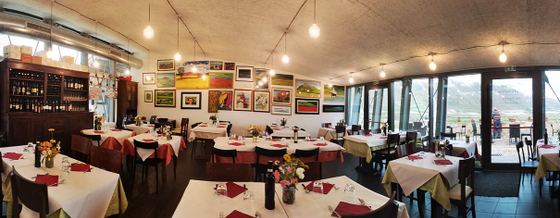
TAVERNA CASTELLUCCIO
Castelluccio (PG) · 10.7 km
