
Lardo d'Arnad DOP is a cured meat with a centuries-old tradition, matured in wooden containers called doil according to a practice handed down from generation to generation. It is one of the most distinctive typical products of the Aosta Valley, tied to a craft still very much alive.
Arnad is a municipality in the lower Aosta Valley, set along the Dora Baltea in a stretch where the valley widens before narrowing again toward the mountains. It is here, and only here, that Vallée d'Aoste Lard d'Arnad DOP is produced: the protected designation of origin ties curing to the entire municipal territory, making this village of just over a thousand inhabitants the only place in the world authorised to bear that name.
At the heart of the tradition is the doil — a Valdostan dialect term for a wooden container, usually oak or chestnut, in which the lard is arranged in layers alternating with salt, water, spices and mountain herbs. The practice has been documented continuously since at least the 15th century, when the records of Vallaise Castle (a medieval building that still overlooks the village today) mention preserving lard according to this method. The doil is not a simple vessel: the wood actively takes part in the curing, releasing compounds into the fat that shape its final aromatic profile. Maturation lasts at least three months, during which the lard — taken from the shoulder fat of pigs weighing more than two hundred kilograms — takes on the even white colour and texture that mark it out when sliced.
What makes this tradition worth attention is not only the continuity of the technique, but its resistance to industrial standardisation. While most alpine cured meats have gradually moved to steel or food-grade plastic containers, in Arnad producers have kept the wooden doil as a non-negotiable part of the DOP standard. This has meant preserving a body of related knowledge as well: choosing the wood, seasoning it, cleaning and reusing the containers over time. Every doil carries a history of overlapping uses that no inert material could replicate.
The DOP, granted in 1996, formalised a boundary the local community had already drawn over centuries through daily practice. European recognition had the effect of fixing the standard in place, but did not alter the substance of a process that remains pre-industrial in its underlying logic. In Arnad, the method has been passed down mostly within families and small local producers, through a chain of learning that favours direct observation over written codification.
Patafisik · CC BY-SA 3.0 — Wikimedia Commons
Certified Made in Italy businesses close to this place.
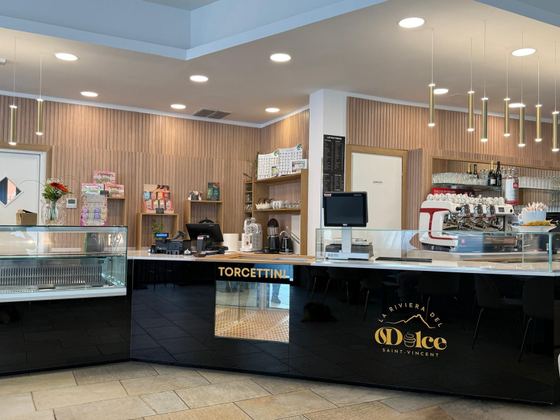
LA RIVIERA DEL DOLCE
Saint Vincent (AO) · 14.1 km
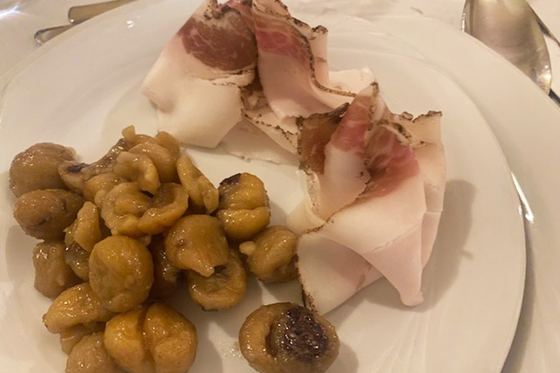
RISTORANTE DEL SANTUARIO
Graglia (BI) · 18.8 km
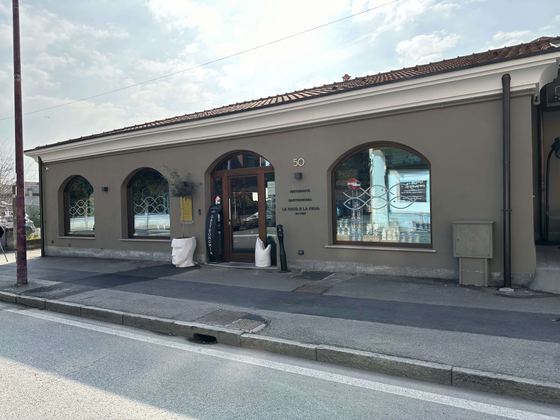
Ristorante La Rava E La Fava
Ivrea (TO) · 22.4 km
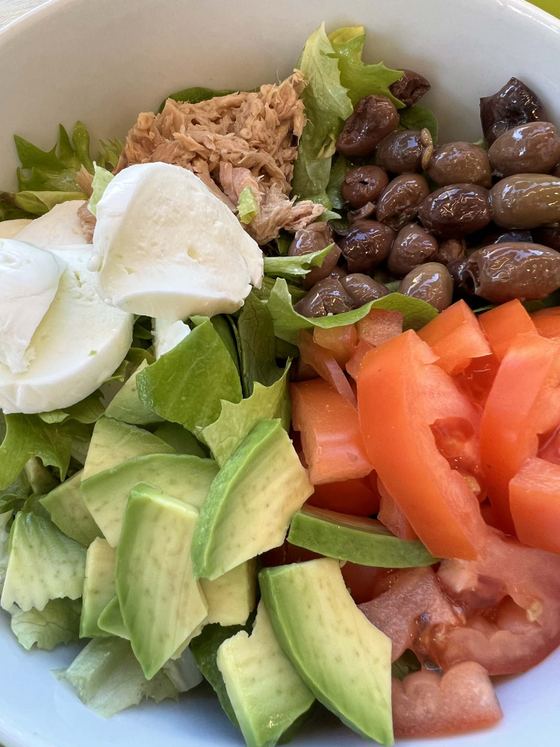
Papi - I Sapori Dell’Orto Di Patrizia E Pino
Ivrea (TO) · 22.6 km
VISO TOP
Banchette (TO) · 23.2 km
BERGO pneumatici - Centro SuperService
Biella (BI) · 24.2 km
