Before you go on
This site uses only what it needs to work: the language you choose, access to the members' area, and anonymous counts that tell us whether the search is answering well. For advertising campaigns we ask your permission, and without a yes nothing starts. See the full list.

Ancient reenactment of the Passion scenes on Good Friday, documented since 1260, staged in the village of Cantiano through a choral procession of great historical resonance.
Cantiano is a village in the Pesaro Apennines with a population of just over two thousand, set in the valley floor of the Burano river, at the foot of Monte Catria. Its position, tucked away from the routes of mass tourism in the Marche, has not prevented the survival of one of the oldest testimonies of popular devotion on the peninsula: the Turba, a representation of the Passion of Christ first documented in 1260, the year in which the Flagellant movement was moving through central Italy, leaving lasting traces in the liturgical practices of local communities.
The name itself — Turba, meaning "crowd" — refers to the anonymous multitude that in the Gospels surrounds and accompanies Christ toward the crucifixion. This is not a theatrical staging in the modern sense, but a choral procession in which the distinction between actors and spectators tends to dissolve: the entire community of Cantiano takes part, distributed among the roles of the Gospel narrative, moving through the streets of the village in the evening hours of Good Friday. The participants wear costumes that replicate medieval iconography, and the sequence of scenes follows the key moments of the Via Crucis, from the Garden of Gethsemane to the entombment.
What distinguishes the Turba di Cantiano from many other Passion reenactments found across Italy is its documented continuity: over seven centuries of uninterrupted celebration, save for suspensions imposed by war or calamity, make this rite a structural element of the territory's identity, not a philological revival nor a later reconstruction. The tradition has been passed down orally and communally, within the families and confraternities of the village, with no external direction ever redefining its form over time.
The geographical context helps shape the character of the event. The Umbrian-Marche Apennines, with their limestone-stone villages and narrow valleys, have historically fostered forms of religiosity that are intense and rooted in the physical landscape. Cantiano fits coherently into this geography: the nighttime procession, the torches, the silence broken by liturgical chants find in the village's morphology — the narrow streets, the intimate squares, the dark façades — a setting that is not constructed stage design but the sediment of centuries.
The Turba is recognised among the intangible heritage assets of regional interest in the Marche, and its value lies not only in the antiquity of its founding date, but in the quality of the bond it maintains between a community and its own past. In an age when many local traditions survive as folkloric events emptied of real participation, the Turba di Cantiano continues to be practised by those who live in that territory, following the same collective logic that gave rise to it in the thirteenth century.
Galessandroni · CC BY-SA 4.0 — Wikimedia Commons
Certified Made in Italy businesses close to this place.
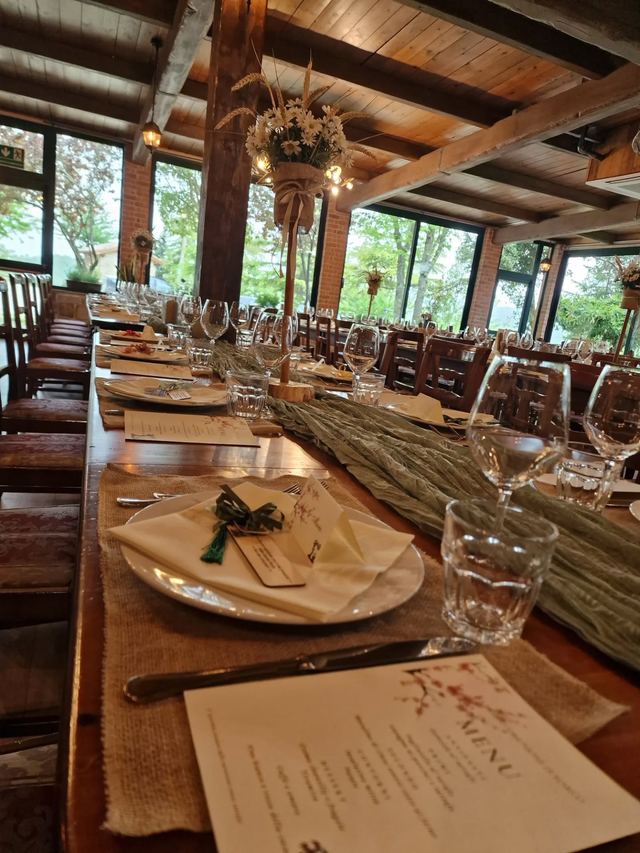
RISTORANTE DA BAFFONE
Gubbio (PG) · 7 km
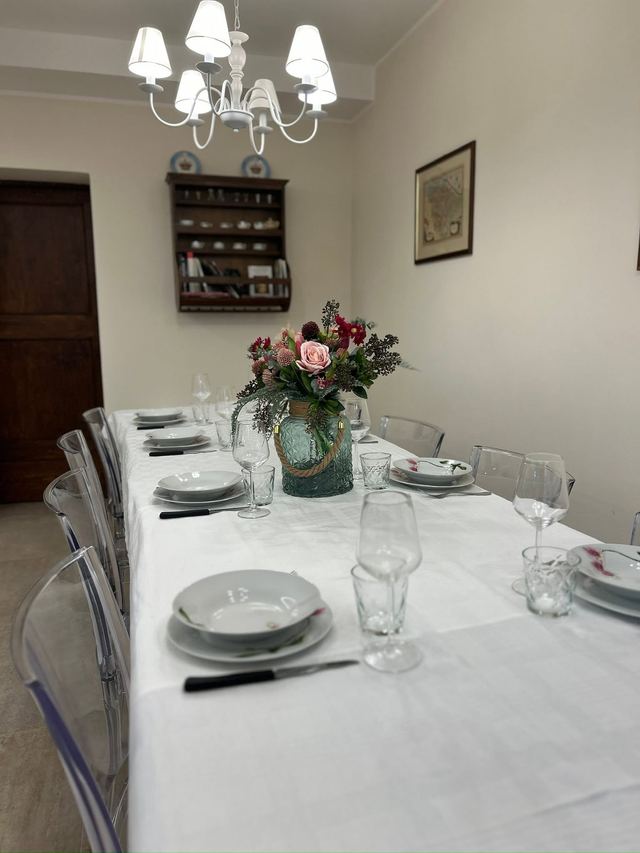
CA' SIMONCELLI - IL CASALE NEL BOSCO
Apecchio (PU) · 13.5 km
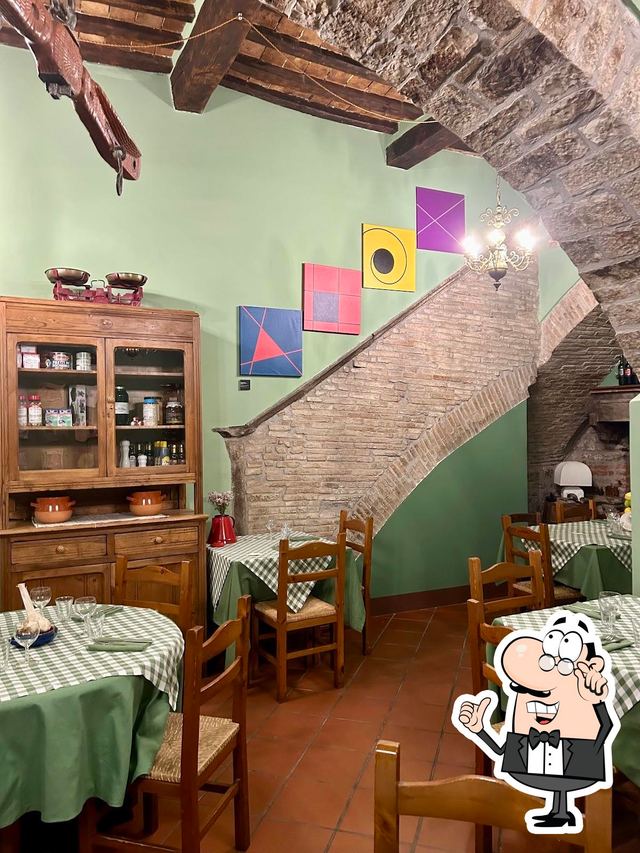
LA BETTOLA DELLA BUONA FORCHETTA
Gubbio (PG) · 14 km
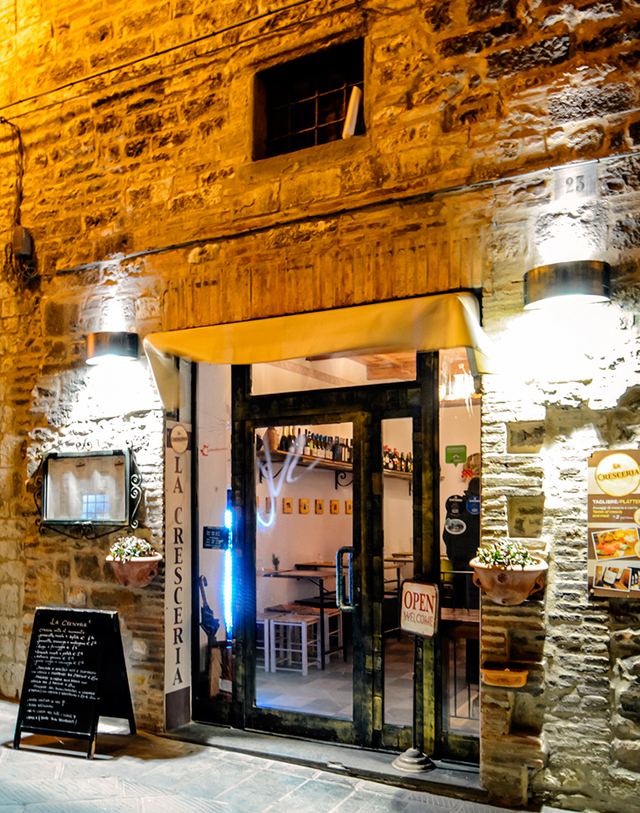
La Cresciamia
Gubbio (PG) · 14.1 km
Ristorante Alla Balestra
Gubbio (PG) · 14.1 km
LA CANTINA
Gubbio (PG) · 14.2 km