The Umbrian stretch of the ancient medieval route taken by Germanic pilgrims to Rome, recognised among the Council of Europe's Cultural Routes, passing through villages such as Città della Pieve, Ficulle and Orvieto.
In 1236 Abbot Albert of Stade left the Hanseatic city of Stade, in northern Germany, and set out for Rome. He recorded every stage of the journey in a diary that would become, centuries later, the template for a European route: the Via Romea Germanica, today a Cultural Route of the Council of Europe, a recognition that places it alongside the Camino de Santiago and the Via Francigena. The route measures 2271 kilometres in total; the Italian section, from the Brenner Pass to Rome, covers just over 1050 kilometres and crosses six regions before rejoining the Via Francigena at Montefiascone, in Lazio.
The Umbrian segment unfolds in four stages: from Pozzuolo to Paciano, from Paciano to Città della Pieve, from Città della Pieve to Ficulle, and from Ficulle to Orvieto. It is a relatively short stretch compared with the route as a whole, but it concentrates a layering of landscape and history rarely found elsewhere in the same measure. The path descends from the hills that ring Lake Trasimeno — a body of water that changes colour with the light, from morning silver to late-afternoon gold — and pushes into the hilly inland toward the Val di Chiana and the Orvieto stretch of the Valdichiana. Along this route, over the medieval centuries, passed kings, popes, crusaders and ordinary pilgrims alike: a road of both power and devotion that the Umbrian landscape has preserved in its very bones, in the beaten-earth tracks, the isolated pievi (rural parish churches), the villages that have never stopped keeping watch over the ridgelines.
Città della Pieve, which gives its name to the central stage of the Umbrian route, is the birthplace of the Perugino: Pietro Vannucci, trained in Verrocchio's workshop in Florence, left in his hometown some of the most significant works of his career, including the Deposition from the Cross housed in the church of Santa Maria dei Servi. The town retains its medieval layout almost intact, with red-brick lanes and a circuit of walls that still sharply marks the boundary between the built-up centre and the surrounding countryside. Ficulle, a little further along the way, is a smaller settlement perched on a tufa outcrop, with a history of habitation dating back to Etruscan times and a continuity of settlement that the Middle Ages simply redrew without erasing.
The European certification earned by the Via Romea Germanica is not merely a formal accolade. It places this itinerary within a network of routes that Europe has chosen to protect as shared heritage of memory and cultural mobility. For Umbria, it means situating its own territory within a continental narrative that begins at the North Sea and arrives at the tomb of Peter, crossing the Alps, the Po Valley, the Apennines. Those who walk these four Umbrian stages tread an axis that for centuries connected distant worlds, and the landscape around it — cultivated hills, stone villages, Romanesque churches standing alone in the countryside — is the visible form of that connection.
Certified Made in Italy businesses close to this place.
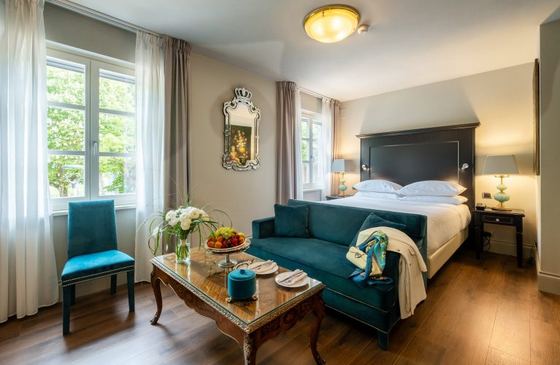
HOTEL VANNUCCI
Città della Pieve (PG) · 0.2 km
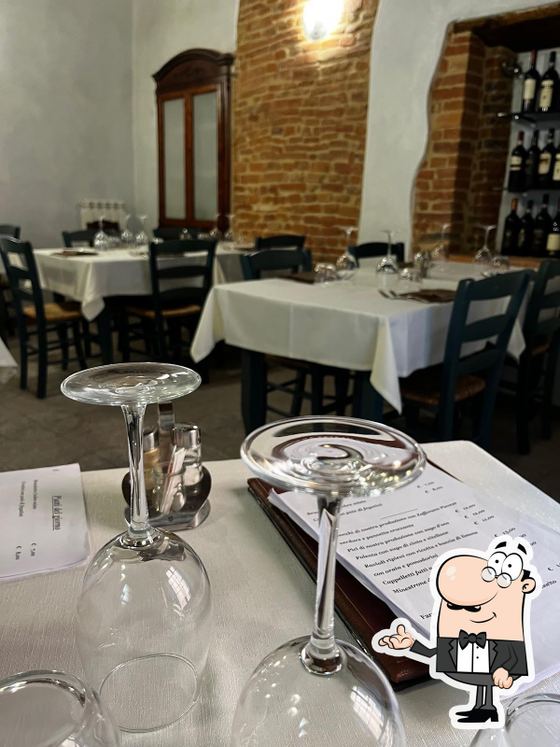
DA LAURA RISTORANTE
Città della Pieve (PG) · 0.3 km
Macelleria Ansano di Del Balio Luca
Citta'della Pieve (PG) · 6 km
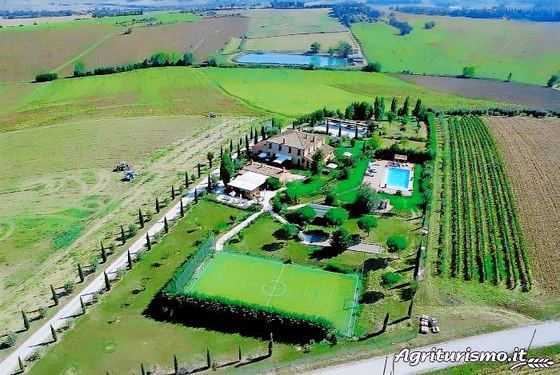
Agriturismo I Romiti
Villastrada Castiglione del Lago (PG) · 10.6 km
Azienda Agricola Bittarelli Patrizio
Castiglione del Lago (PG) · 11.6 km
Agriturismo Poggio Bellavista
Castiglione del Lago (PG) · 14.9 km
