Before you go on
This site uses only what it needs to work: the language you choose, access to the members' area, and anonymous counts that tell us whether the search is answering well. For advertising campaigns we ask your permission, and without a yes nothing starts. See the full list.

A network of 13 routes across the mountains, hills and valleys of western Liguria, crossing traditional olive- and wine-growing territories far from the coastal flows.
Between the Alpine chain and the Mediterranean, in the stretch of Liguria within the province of Imperia, the vertical distance between altitude and coastline is measured in a handful of linear kilometres but in centuries of agricultural history. It is within this compressed space that the Strada dell'Olio e del Vino dalle Alpi al Mare (Oil and Wine Route from the Alps to the Sea) unfolds: thirteen routes that cross the hinterland of the Riviera di Ponente along paths and secondary roads, linking olive- and wine-growing sites to the villages that gave rise to them.
The territory crossed is marked by a precise geological and climatic feature: the Ligurian Alps descend so close to the coast that they create a shelter from the northern winds, making it possible to grow olives at altitudes unusual for this latitude. The taggiasca cultivar, selected over centuries in this landscape of terraces held up by dry-stone walls, yields an oil recognisable for its delicacy and low acidity. Alongside the olive groves, terraced vineyards give rise to DOC wines belonging to the Riviera Ligure di Ponente denomination, with grape varieties such as Vermentino and Pigato.
The routes run along the main valleys of the Imperia hinterland, including Valle Arroscia, and reach hinge points such as Colle di Nava. Part of these tracks follows the old vie del sale (salt roads), the mule tracks that once carried salt from the coast up to the Alpine and Po Valley communities that lacked it, and that in the opposite direction carried the products of the hinterland down to the sea. This overlap between historical infrastructure and contemporary itinerary is not decorative: it says something concrete about the continuity of use of a territory that has never stopped being crossed.
The villages and hamlets touched by the routes retain a building scale and a productive fabric that coastal flows have not altered. Oil mills, wineries and small farms form the nodes of a network that the Strada project has sought to make accessible and legible. The logic is not that of a scenic route, but that of a system placing the walker in direct relation with the places where oil and wine are still produced according to practices rooted in the landscape itself.
What the Strada dell'Olio e del Vino dalle Alpi al Mare offers is, in essence, a reading of the Ligurian territory starting from its historical agricultural economy. The terraced landscape is not a backdrop: it is the direct result of centuries of work on difficult soil, and the products that come from it still carry that difficulty as a distinguishing trait. To travel these thirteen itineraries means moving through a productive geography that the coast, on its own, cannot convey.
Feel free to use my photos, but please mention me as the author and if you want send me a message. or (rufre@lenz-nenning.at) · CC BY-SA 3.0 at — Wikimedia Commons
Certified Made in Italy businesses close to this place.
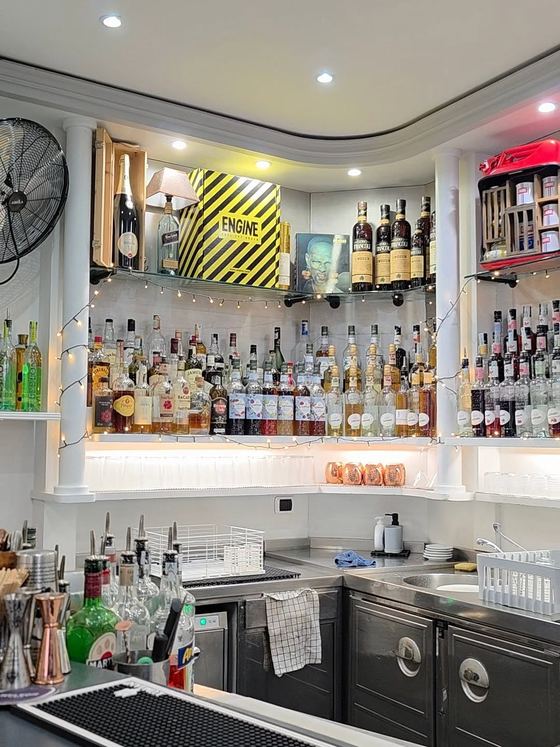
NELSON CAFE'
diano marino (IM) · 5 km
LA PINTA
San Bartolomeo al Mare (IM) · 6.9 km
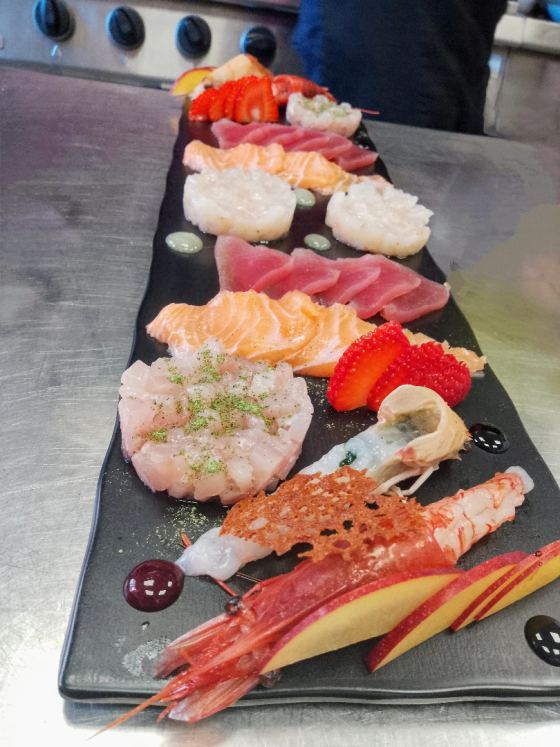
A cà DeL. Bro.
San Bartolomeo Al Mare (IM) · 7.2 km
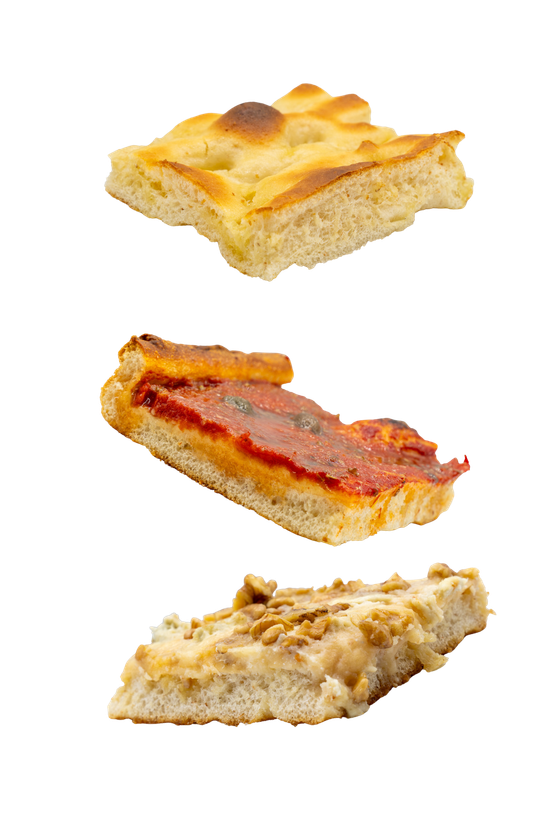
LA TAVERNA BAKERY
Bussana (IM) · 17 km

NATY MAISON
Garlenda (SV) · 17.2 km
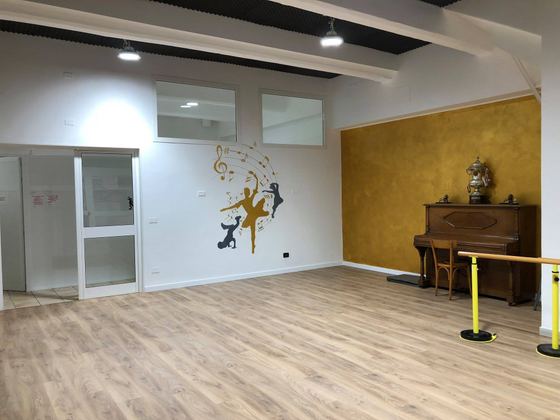
Scuola Danza Città Dei Fiori Asd
Sanremo (IM) · 21.5 km