
A small centre along the ancient Via Claudia Augusta, San Michele all'Adige holds a heritage of museums and foundations recounting centuries of Trentino history amid vineyards and the banks of the Adige. It is a place where cultural stratification can still be read in the urban fabric and in the local institutions.
San Michele all'Adige occupies a stretch of the Piana Rotaliana where the Adige river slows its course southward and the slopes are covered with vineyards up to considerable elevations. The municipality extends between 228 and 600 metres above sea level, spreading across the localities of San Michele, Grumo and Faedo. Roughly four thousand inhabitants, a position that does not feature on Trentino's most frequented circuits, and yet a historical weight measured in centuries of transit, settlement and transformation.
The reason for this settled continuity has a precise name: the Via Claudia Augusta. Built at the behest of the emperor Augustus and completed under Claudius in 46 AD, this Roman artery connected the Po to the Alps and continued as far as the Danube, crossing what is today Trentino along the Adige valley. San Michele stood on this axis, and the position determined its function for centuries: a point of passage, of exchange, of control over a corridor linking the Mediterranean world to central Europe. The route is no antiquarian abstraction — in several places the modern road network still follows the Roman one, and the landscape retains the logic of a territory conceived for movement and trade.
Within the fabric of the village one can read the sedimentation of successive eras. The Augustinian monastery and the baroque church dedicated to San Michele Arcangelo (Saint Michael the Archangel) mark the ecclesiastical presence that shaped local life for generations. But it is above all through its cultural institutions that San Michele has built, over recent decades, an identity of its own. The METS — Museo Etnografico Trentino San Michele (Trentino Ethnographic Museum of San Michele) — gathers and interprets the customs of Trentino's rural civilisation, offering a reading of material life that rarely finds space in the region's more celebrated narratives.
The vine-growing landscape surrounding the village is no decorative backdrop. The Piana Rotaliana is one of Trentino's historic wine-growing areas, and the presence of institutes and foundations devoted to research and training in agriculture and winemaking has made San Michele a reference point for those who study or work in the local wine sector. This dimension — between rural memory and contemporary technical knowledge — is perhaps what sets the village apart from other centres of similar size: not a place that preserves the past as an artefact, but one where the past continues to inform present practice.
Those who travel the Via Claudia Augusta today — by bicycle or on foot, along the routes that cross the valley — pass through San Michele as one did two thousand years ago: as a stage on a longer journey. The difference is that today one can stop to understand what it meant, for this territory, to lie on a road that connected worlds.
Matteo Ianeselli · CC BY-SA 3.0 — Wikimedia Commons
Certified Made in Italy businesses close to this place.
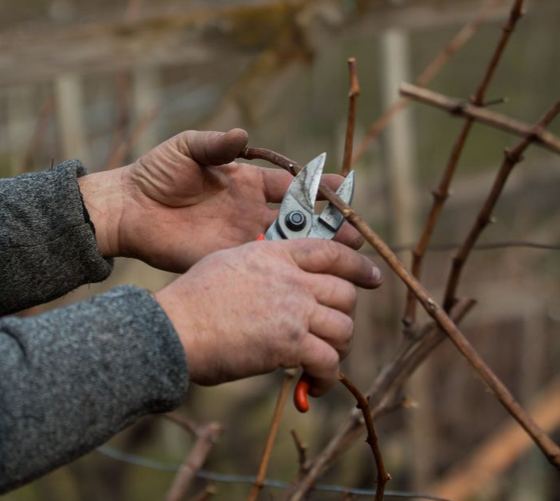
TENUTA GOTTARDI
Cembra Lisignago (TN) · 7.2 km
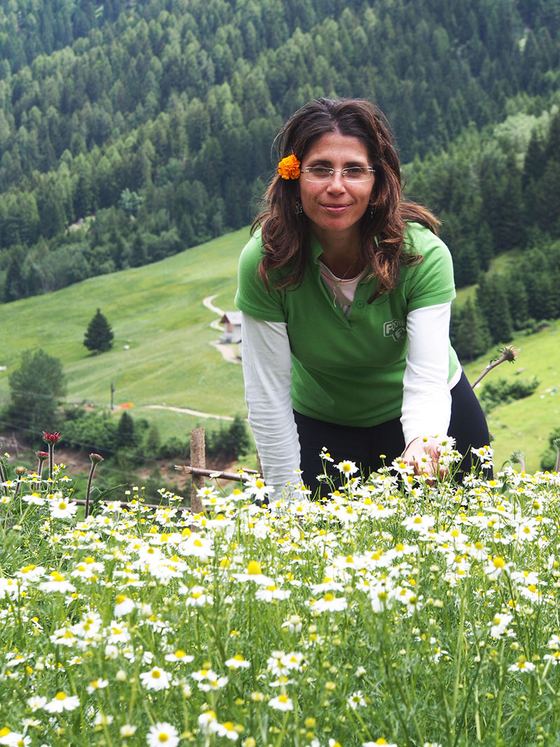
Azienda Agricola Erbevive
Trento (TN) · 13.7 km
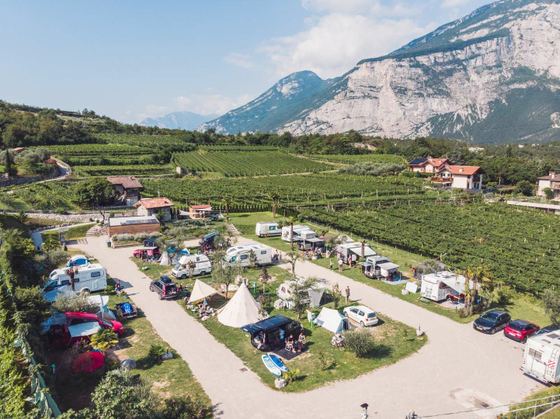
Camping Le Marocche
Cavedine (TN) · 26.6 km

Drena Resort
Drena (TN) · 28.9 km
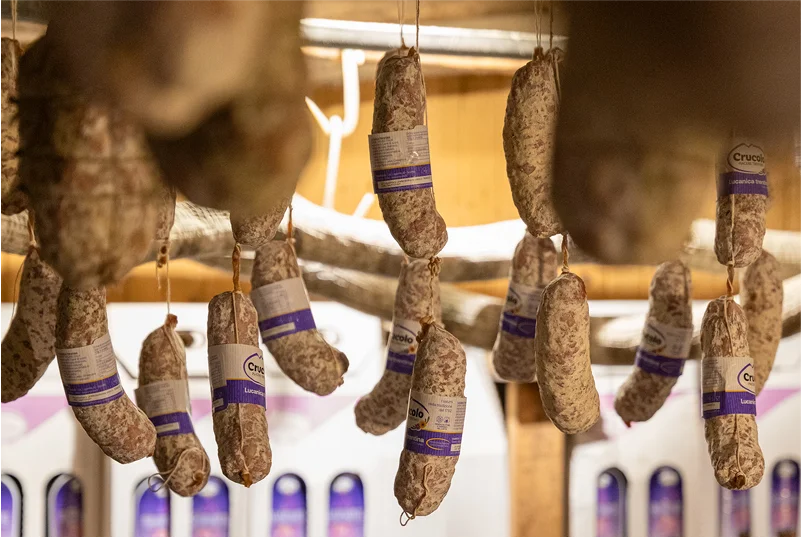
CRUCOLO - PIACERE TRENTINO
G R Scurelle (TN) · 32.9 km

Cristian Floriani - Pavimenti in Legno
Rovereto (TN) · 33 km
