Torcello is a near-uninhabited island in the Venetian lagoon, celebrated for its Ponte del Diavolo (Devil's Bridge), one of the few parapet-less bridges remaining in Italy. It preserves traces of a flourishing medieval past that today lies almost entirely silent.
In the lagoon archipelago that precedes Venice, Torcello occupies a singular position: it is the island that came first. Founded, according to tradition, in 452 AD by populations fleeing the barbarian invasions that devastated the Venetian mainland, it was for centuries one of the most vital centres in the entire lagoon. In the Middle Ages it counted tens of thousands of inhabitants, hosting markets, churches, monasteries and an organised civic life that Venice, then still taking shape, looked upon as a model. Then, slowly, silence.
Torcello's decline was gradual and inexorable: the silting up of the canals, outbreaks of malaria, and the progressive shift of trade towards Rialto emptied the island over the course of the fourteenth and fifteenth centuries. Today fewer than ten people live there permanently. Of that ancient urban fabric only a few buildings remain, but of extraordinary weight: the Cattedrale di Santa Maria Assunta (Cathedral of Santa Maria Assunta), consecrated in 639 and reworked several times over the centuries, preserves twelfth-century Byzantine mosaics among the most intact in the Veneto, including the celebrated Last Judgement that covers the entire counter-façade. Beside it stands the church of Santa Fosca, with its central plan and pentagonal portico, dating from the eleventh-twelfth century.
The Ponte del Diavolo (Devil's Bridge) crosses one of the island's inner canals and is one of the structures that most strikes the eye for its sheer bareness: an arch of Istrian stone with no parapets, no railings, no side protection of any kind. It is not the only bridge of this kind to have survived in Italy, but it is among the best known and best preserved. The popular legend that gives it a diabolical origin — the devil is said to have demanded as payment the soul of the first living being to cross it, receiving instead that of a cat — belongs to the lagoon's folklore, but it says something real about the relationship island communities held with these structures: necessary, sometimes dangerous, always charged with collective meaning.
The landscape surrounding the monuments is made of reed beds, still water, and beaten-earth paths. The absence of motorised traffic and the scarcity of buildings restore a perception of lagoon space that on the more frequented islands can no longer be found. Torcello has not remained intact by choice, but by abandonment — and that distinction changes the way one walks through it.
Certified Made in Italy businesses close to this place.
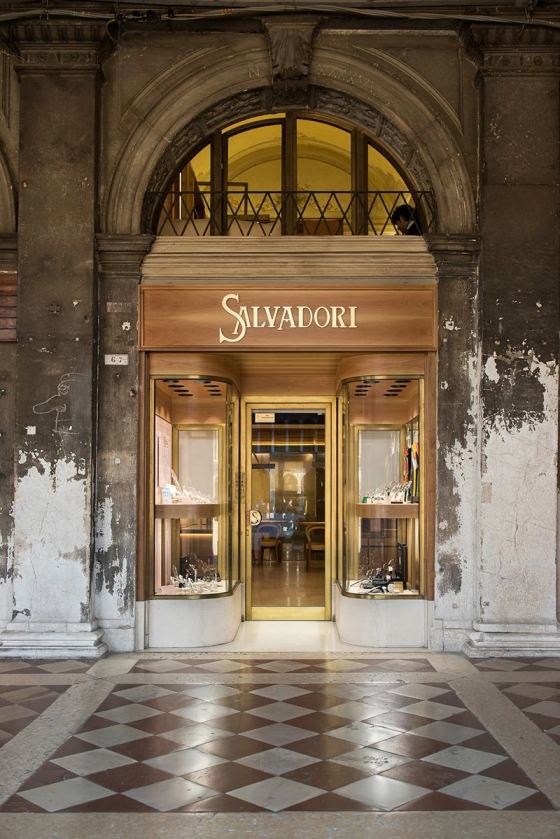
Salvadori Diamond Atelier
Venezia (VE) · 3.8 km
TOWER RISTORAZIONE DONAZZON ACHILLE
Venezia (VE) · 8.8 km
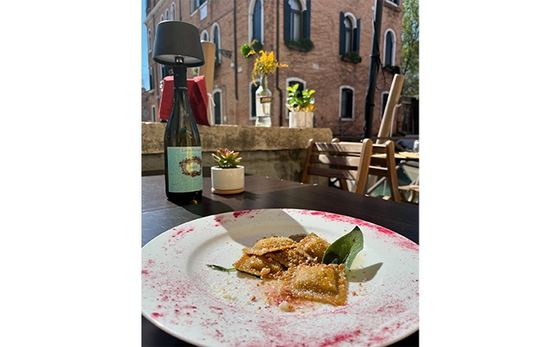
TRATTORIA ALLE VIGNOLE - I SAPORI DELLE VIGNOLE
Venezia (VE) · 9.7 km
OSTERIA CUCCAGNA
Mestre (VE) · 11.4 km
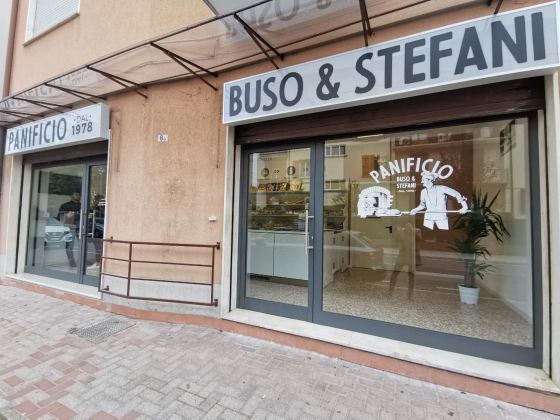
PANIFICIO BUSO&STEFANI
Venezia (VE) · 11.9 km
Stilelibero Parrucchiera
Mira (VE) · 13.8 km
