
A popular tradition in Acquapendente in which large decorative panels are made from flowers and natural materials, celebrating an ancient vow made by the town. It is one of the most singular ephemeral art events in northern Lazio.
Acquapendente rises in the northern Lazio Apennines, in the province of Viterbo, along that stretch of the Via Cassia which for centuries connected Rome with the north of the peninsula. It is a town of dark stone and narrow lanes, with a twelfth-century Romanesque crypt that houses a replica of the Holy Sepulchre of Jerusalem. Against this backdrop of layered memory, every year on the third Sunday of May, one of the most distinctive works of collective art in Lazio takes shape: the Festa dei Pugnaloni.
The origins of the festival trace back to 1166, when Acquapendente stood under the imperial control of Frederick I Barbarossa. Tradition tells that in the fields outside the town, a withered cherry tree suddenly burst into bloom. The inhabitants read the event as a sign from the Madonna del Fiore (Our Lady of the Flower), and that unexpected blossoming became the signal for revolt: the imperial governor was driven out, the castle torn down. The vow made to the Madonna was the community's way of settling its debt to that protection. From that moment on, the memory of the event has been renewed collectively, year after year.
The name "Pugnalone" comes from "pungolo," the farming tool used by peasants to clean the plough and drive the oxen at work. Originally it was these very goads, adorned with flowers and broom blossoms, that were carried in procession in honour of the Madonna. Over time, the form evolved: today the Pugnaloni are large wooden panels — the dimensions can be considerable — entirely covered in fresh or dried leaves, petals and plant materials arranged into figurative compositions. Each panel tells a scene, a symbol, a theme tied to freedom or to local history, built with a technique that is at once craftsmanship and ephemeral painting.
The making of the panels falls to the town's rioni (districts) and local groups, who work for weeks preparing materials and designing the compositions. The panels are then displayed along the streets of the town and judged in a competition that culminates in the prize-giving in the main square, in front of the town hall. The rivalry between rioni is not a decorative detail of the festival: it is the very structure that ensures the tradition's continuity, binding each generation to the next through the responsibility of creating something new with materials destined to fade within a few days.
This ephemeral nature is perhaps what sets the Pugnaloni apart from other forms of folk art. Weeks of work are consumed in an instant, and it is precisely this transience that belongs to the meaning of the festival: the blossoming of the cherry tree was a one-off event, and every year the town recreates its logic — something alive that appears, runs its course, and disappears. The Museo della Città (City Museum) of Acquapendente preserves documentation and testimonies of the tradition, offering continuity to the memory of something that, by definition, cannot be preserved in its original form.
Alessandro Mazzuoli · CC BY-SA 3.0 — Wikimedia Commons
Certified Made in Italy businesses close to this place.
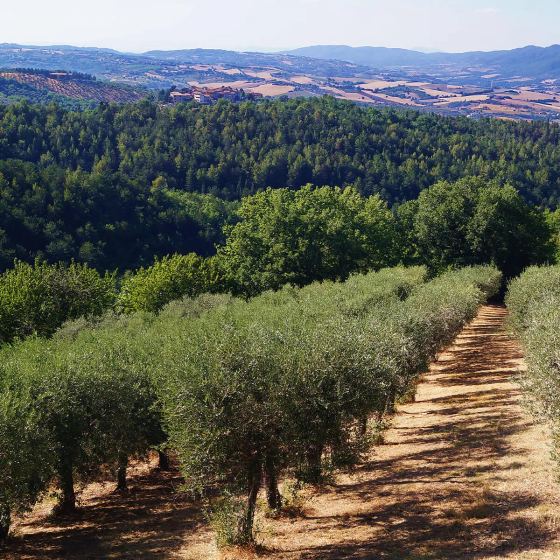
Goccia Umbra
Castel Giorgio (TR) · 10.2 km

Corradini Serramenti
Castel Viscardo (TR) · about 11 km
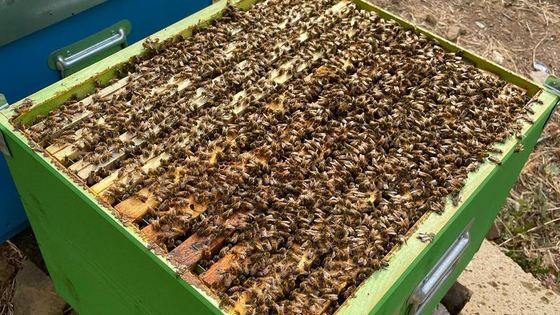
APICOLTURA GUIDOTTI FEDERICO
Castell'azzara (GR) · 13.7 km
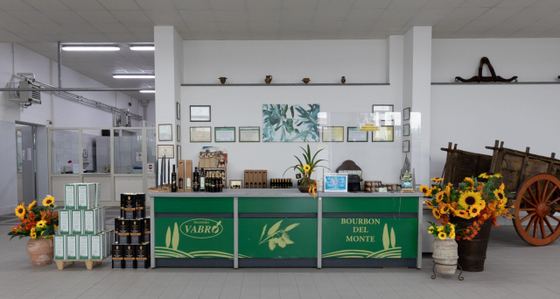
Frantoio Vabro
Loc Casa del Corto Piancastagnaio (SI) · 14.3 km
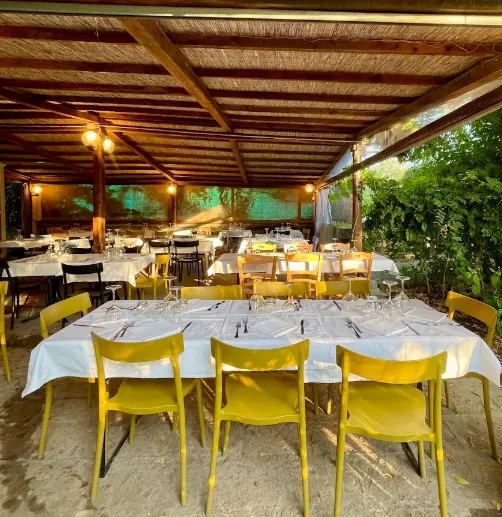
Trattoria Del Conte
Orvieto (TR) · 16.9 km
ENOTECA UMBRIA TOP
Orvieto (TR) · 20 km
