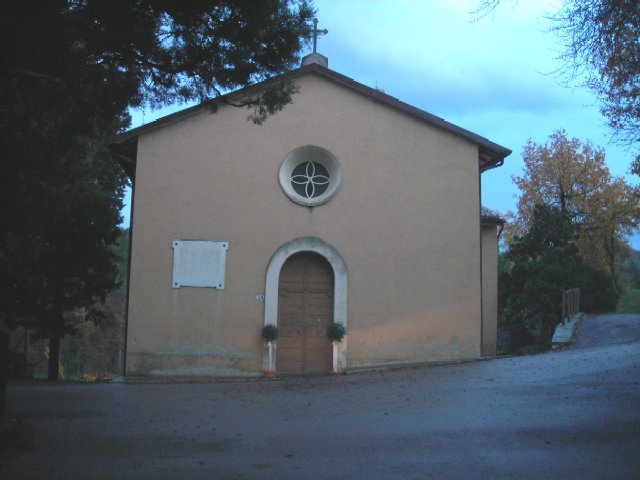
A craft tradition of terracotta work in Pieve, where bricks and amphorae for wine and oil are still made by hand using age-old techniques. A trade that has survived to tell the story of rural Umbria's material culture.
Piegaro is a town in the province of Perugia, set on a hill among the woods and valleys of the Trasimeno area. Its medieval old town is built almost entirely in brick — a feature that sets it apart clearly from most Umbrian towns, which were built in stone. That building choice was no accident: the clay of the Piegaro area had a reputation that reached well beyond local borders, so much so that Perugia itself, a city of far greater size and power, sourced it for its own construction needs.
It is in this context that the story of Antico Cotto Pievese takes root, a craft workshop that keeps alive a manual production of bricks and terracotta following methods that have remained essentially unchanged over the centuries. Each piece is shaped by hand, one at a time, in the same forms handed down by tradition. The process involves four elements in their most elemental form — earth, water, fire, air — and ends with firing in a high-temperature kiln, after a drying phase that requires precise timing and conditions. This is not a re-enactment, nor a niche production aimed at souvenirs: the bricks made in Piegaro go into architectural restoration projects, where compatibility with historic materials is a technical requirement before it is an aesthetic one.
Among the sites that have received these pieces are the Duomo (cathedral) of Città della Pieve and the main square of Pienza, two settings where material consistency with the historic fabric allows no room for approximation. The choice to rely on handmade terracotta, made with local clay and traditional techniques, meets conservation needs that industrial materials cannot satisfy: the surface texture, the porosity, the colour variations typical of artisan firing are features that philological restoration considers essential.
What Antico Cotto Pievese represents within Umbrian craftsmanship is a productive continuity that has never been significantly interrupted. While many traditional trades have survived only as documented memory or occasional practice, here the full cycle — from working the clay to delivering the finished product — still follows the same craft logic it always has. Piegaro, a village also known for its centuries-old glassmaking tradition, documented since the 13th century, thus holds two distinct strands of material culture: glass and terracotta, both tied to the transformation of local raw materials through fire.
myself · CC BY-SA 3.0 — Wikimedia Commons
Certified Made in Italy businesses close to this place.
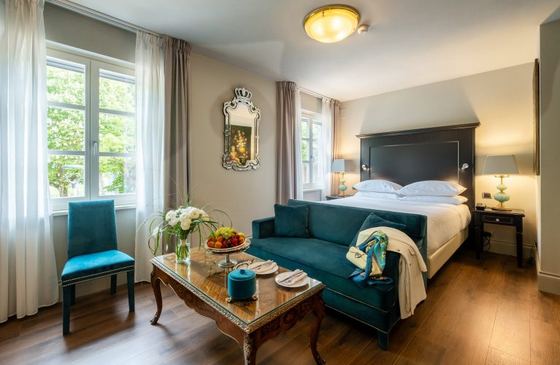
HOTEL VANNUCCI
Città della Pieve (PG) · 6.8 km
DA LAURA RISTORANTE
Città della Pieve (PG) · 6.9 km
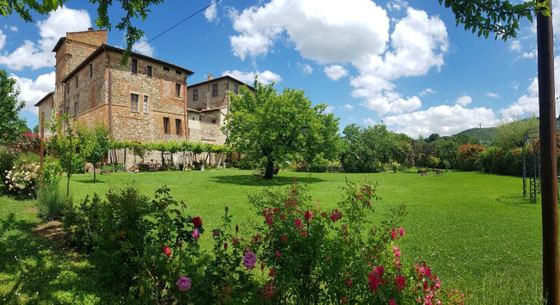
Agriturismo Abbazia Sette Frati
Pietrafitta (PG) · 9.9 km
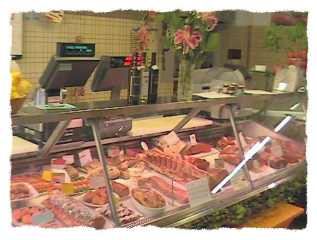
Macelleria Ansano di Del Balio Luca
Citta'della Pieve (PG) · 10.1 km
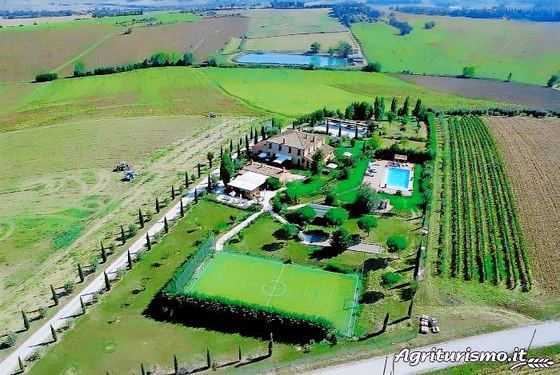
Agriturismo I Romiti
Villastrada Castiglione del Lago (PG) · 10.7 km
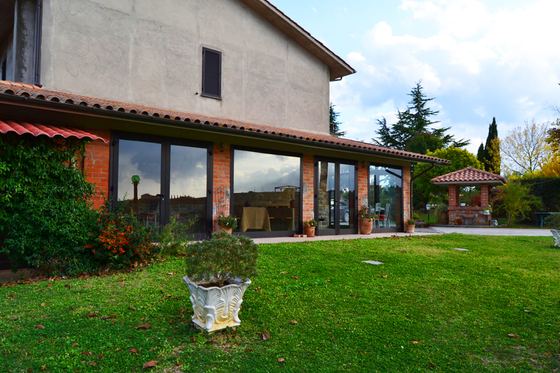
Azienda Agricola Bittarelli Patrizio
Castiglione del Lago (PG) · 11.6 km
