Before you go on
This site uses only what it needs to work: the language you choose, access to the members' area, and anonymous counts that tell us whether the search is answering well. For advertising campaigns we ask your permission, and without a yes nothing starts. See the full list.

The tratturi are the ancient droving routes crossing Abruzzo, evidence of an age-old practice of moving flocks between mountain and plain. Landscapes and paths that tell of a pastoral economy and culture now rarely found.
For centuries, twice a year, tens of thousands of sheep walked the length of the Apennine ridge along grassy corridors up to 111 metres wide, traced across the landscape with the silent precision of habit. These corridors are the tratturi: dirt-and-grass roads linking the highlands of Abruzzo to the plains of the Tavoliere delle Puglie, allowing flocks to reach winter pastures in the lowlands and return to the heights with the arrival of warmer weather. These were not improvised paths but recognised, codified infrastructure dating back to Roman times, later systematised in the 15th century by the Kingdom of Naples through the Regia Dogana della Mena delle Pecore di Foggia (the royal customs authority overseeing sheep droving), an administrative body that regulated traffic, collected tolls and kept the routes passable.
The main tratturo affecting the Abruzzo side is the Tratturo Magno, also known as L'Aquila–Foggia, which runs for roughly 244 kilometres across territory of great morphological variety. Alongside it run minor tratturi and secondary branches, known as tratturelli and bracci, forming a capillary network still partly legible on the ground today. The canonical width of 60 Neapolitan passi — equivalent to about 111 metres — was not arbitrary: it ensured that flocks could move without trampling cultivated fields at the margins, and that the animals found enough grass along the way without needing prolonged stops.
Transumanza (seasonal livestock migration) shaped not only the physical landscape but the entire cultural fabric of Abruzzo's communities. Along the tratturi stood masserie (farmsteads), votive churches, watering troughs and small settlements born to serve shepherds in transit. The songs of the transumanza — the so-called "canzoni a distesa" (long, drawn-out droving songs) — were passed down orally for generations, as were the rites tied to the departure and return of the flocks, often woven into the liturgical calendar. In 2019 UNESCO recognised transumanza as intangible cultural heritage of humanity, in a joint bid shared by Italy, Greece and Austria, affirming the value of this practice on a European scale.
Today the tratturi of Abruzzo can be walked or ridden, and their state of preservation varies considerably from stretch to stretch. Some segments have been eroded by intensive farming or urban development; others remain intact, retaining that unusual width which makes them instantly recognisable even to those unaware of their origin. Walking a tratturo means moving across a layered palimpsest: underfoot, the same earth trodden by shepherds, sheepdogs and animals for centuries, with a landscape on either side that changes slowly, without breaks, as befits a route made for those in no hurry.
Sayatek · CC BY-SA 4.0 — Wikimedia Commons
Certified Made in Italy businesses close to this place.
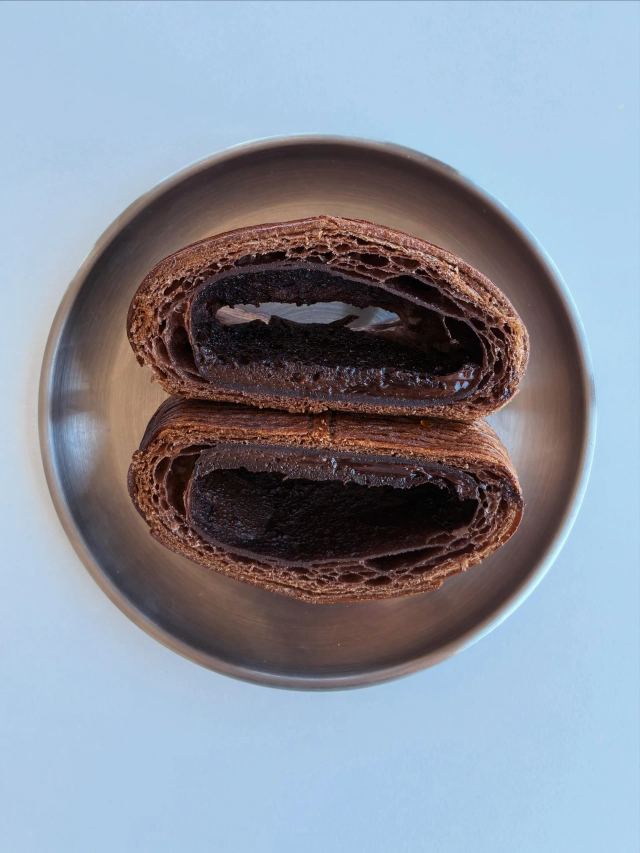
POSTO Bakery and kitchen
Montesilvano (PE) · 4.9 km
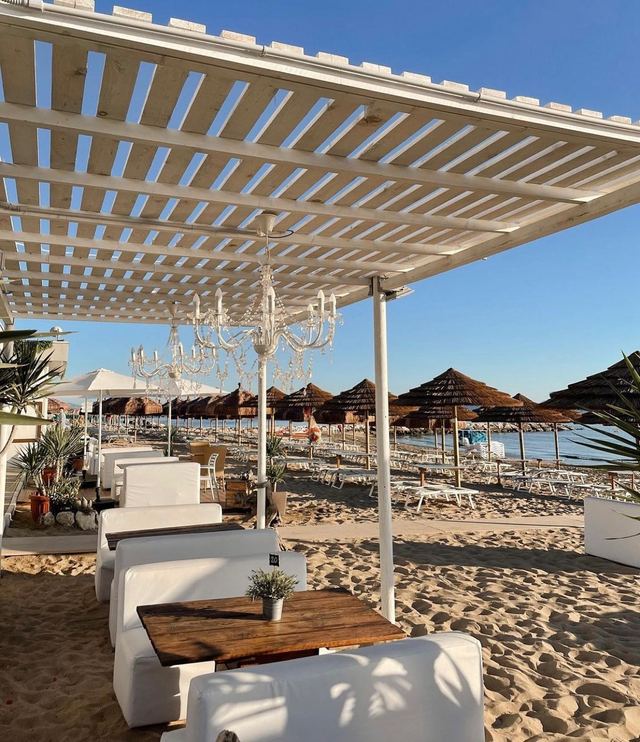
LIDO BIANCO BEACH CLUB
Francavilla al Mare (CH) · 5.5 km
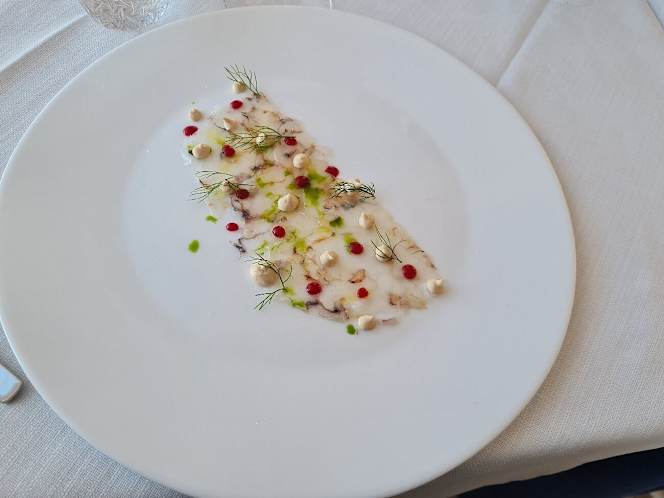
FRONTEMARE RISTORANTE
Francavilla al Mare (CH) · 6.8 km
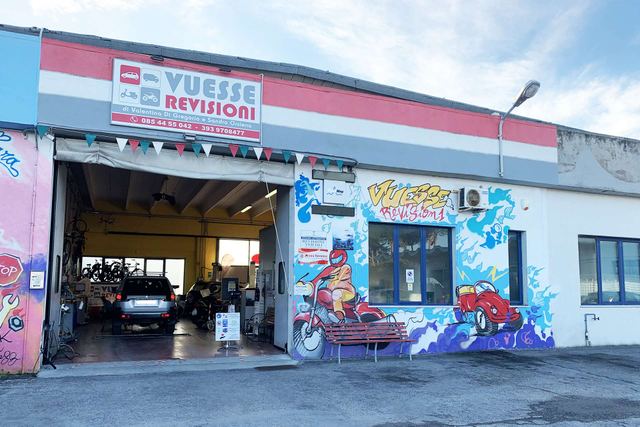
VUESSE REVISIONI
Montesilvano (PE) · 7.2 km
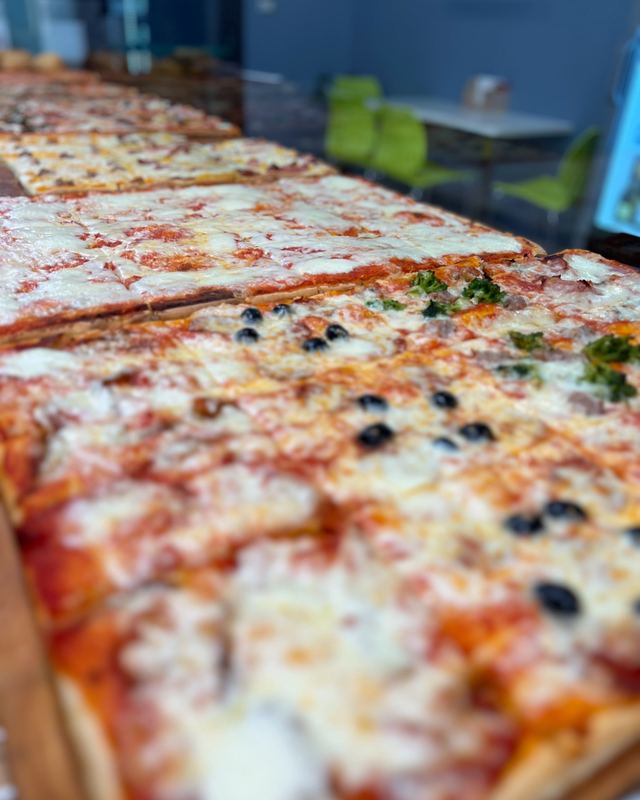
PIZZ'ARDENTE
Pineto (TE) · 19.8 km
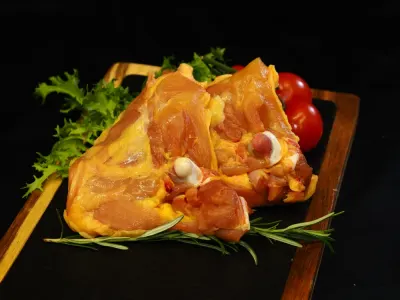
MACELLERIA SELVAROSSA
Ortona (CH) · 20.5 km