
Lazio boasts a centuries-old thermal tradition, with natural springs set within landscapes and archaeological sites of rare quality, especially concentrated in the Tuscia area around Viterbo.
Viterbo carries with it one of the most tangible legacies of the Italian subsoil: a fracture in the earth's crust some twelve kilometres long, from which numerous hyperthermal springs flow spontaneously, pushed to the surface by the pressure of carbonic and sulphurous gases. The waters, mostly sulphurous-sulphate-bicarbonate-alkaline-earth in composition, reach temperatures between 40 and over 56 degrees Celsius, and form one of the most extensive and abundant hydromineral and hydrothermal basins on the peninsula. This is no modern discovery: the Etruscans already knew of its properties, and it was the Romans who later organised its systematic use, building public facilities that became an integral part of urban life.
With the fall of the Roman empire, the baths did not disappear: in the Middle Ages Viterbo became a papal seat, and popes chose these waters as a place of treatment and rest. The city still preserves the medieval quarter of San Pellegrino, one of the best-preserved in Italy, and the bond between its urban history and the presence of thermal water has never been severed. Terme dei Papi (the Popes' Baths), a short distance from the historic centre, keep this continuity alive: its main pool, fed by a spring at 58 degrees Celsius, covers more than two thousand square metres and stands as one of the largest open-air thermal facilities in the country.
The Tuscia around Viterbo, however, is not confined to structured facilities. Around Viterbo and in the neighbouring municipalities, free springs survive, accessible at no cost, where hot water emerges directly within the landscape of the Lazio Maremma: hills of tuff, oak woods, calanchi (eroded clay ravines). This kind of use — informal, rooted in local custom — speaks of a relationship with the land that predates any tourist organisation and still endures today alongside the more developed facilities.
What sets the thermal tradition of the Tuscia apart from other Italian realities is the layering of the contexts in which the waters are set. A few kilometres from the springs lie Etruscan necropolises, such as those of Norchia and Castel d'Asso, and the gardens of Bomarzo with the celebrated Parco dei Mostri (Park of the Monsters). The landscape is no neutral backdrop: it is itself part of a story thousands of years old, in which the hot water rising from the subsoil has always shaped human presence and where people chose to settle.
Mac9 at Italian Wikipedia, 14 July 2010 (original upload date) · CC BY-SA 3.0 — Wikimedia Commons
Certified Made in Italy businesses close to this place.
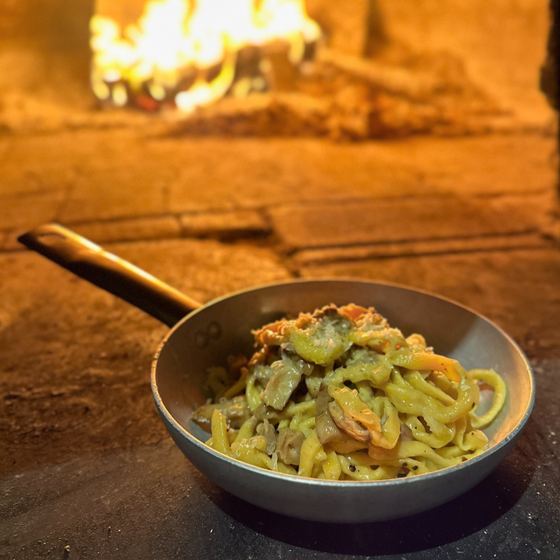
Osteria Sammartinese Da Saverio
San Martino Al Cimino (VT) · 5.8 km
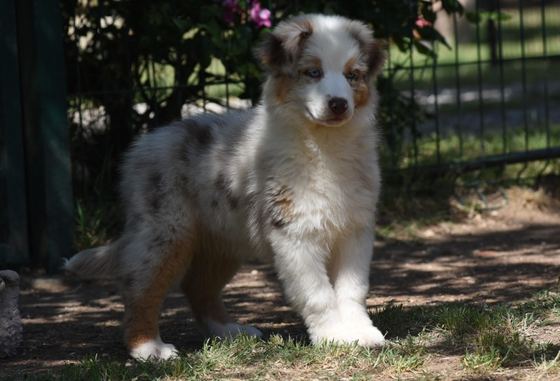
KIRIELEISON KENNEL DI GIULIARELLI MASSIMILIANO
Viterbo (VT) · 8.2 km
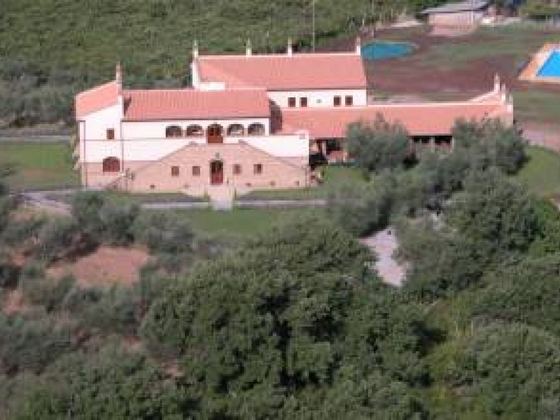
Agriturismo Villa Ione
Vetralla (VT) · 12.4 km
EnOsteria Antichi Sapori
Montefiascone (VT) · 14.8 km
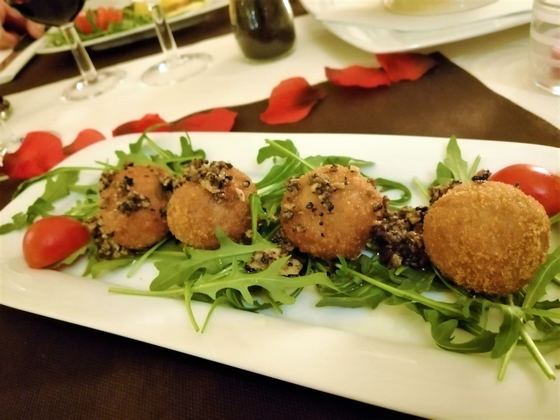
Ristorante Pizzeria Il Roscio
Attigliano (TR) · 18.9 km
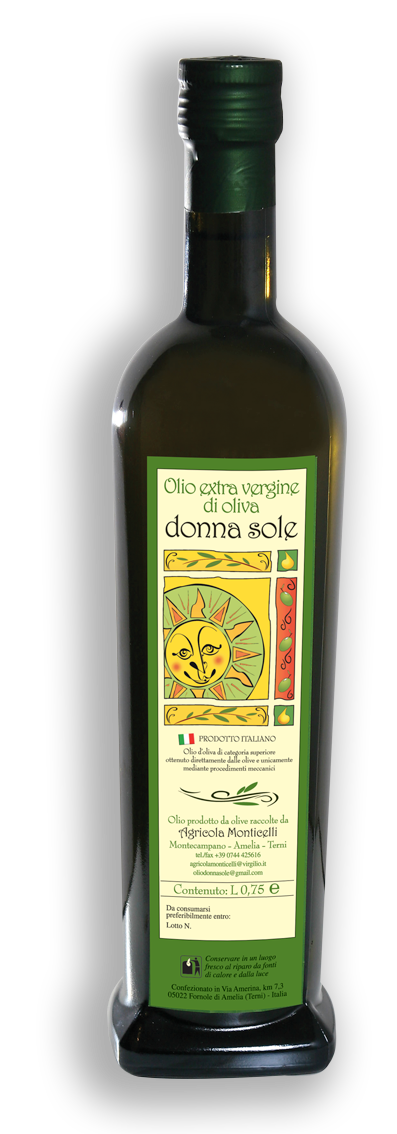
Agricola Monticelli
Amelia (TR) · 28.7 km
