
Medieval fortified village in the Biellese area, built between the 13th and 14th centuries by its inhabitants as a collective refuge to protect crops and wine, with no feudal involvement.
In the Biellese area, a few kilometres from the provincial capital, the town of Candelo preserves a structure with few equivalents in Italy: a medieval ricetto (fortified granary village) that has come down to us in a state of preservation rarely found in buildings of this age. The Ricetto di Candelo was built between the 13th and 14th centuries, not at the will of a lord or a noble family, but on the direct initiative of the local community. The inhabitants of the area organised themselves independently to build a collective defensive space where they could safeguard their agricultural stores — above all wine — in times of danger. This communal origin, free of any feudal mediation, is the first thing that sets the place apart from any other fortified village in the region.
The structure has a pentagonal plan and unfolds around a network of narrow, regular alleys, flanked by cellars and storerooms built of river cobblestones. The perimeter walls, sturdy and compact, follow the irregular contour of the hill on which the ricetto stands, adapting to the terrain without ever losing the coherence of the overall layout. Inside, the cellae — small structures intended for storing produce — follow one another with an almost serial logic, each belonging to a different family, each part of a system that only worked as a whole. The result is an architecture that celebrates no individual power, but instead makes visible a form of collective organisation of the territory.
Today the Ricetto can be explored on foot, and the silence that fills it during ordinary hours conveys something of its original nature as a space set apart from the outside world. The cellars are still partly used for winemaking, and in certain seasons the scent of must drifts among the stones. Time seems to move at a different pace here than in the surrounding town: not for theatrical effect, but because the medieval urban layout — with its dead-end alleys, its modest proportions, stone everywhere — physically imposes a different rhythm on the step and the gaze. It is a place that calls for slowness, not as a rhetorical invitation, but as a necessary condition for passing through it.
Julius Barclay · CC BY-SA 4.0 — Wikimedia Commons
Certified Made in Italy businesses close to this place.
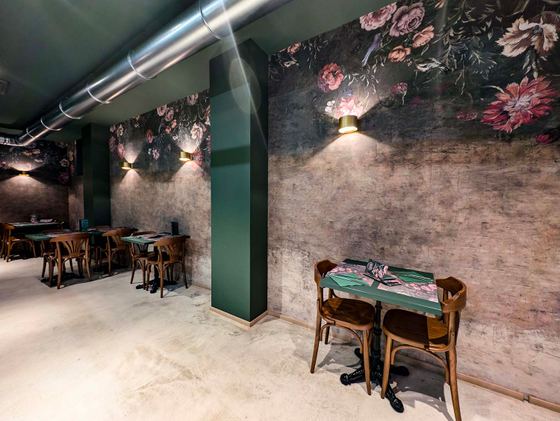
Patty - Hamburgeria Gourmet
Ponderano (BI) · 4.3 km
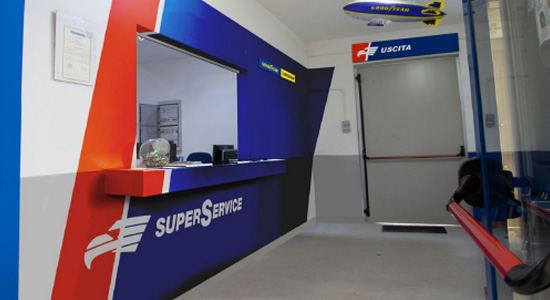
BERGO pneumatici - Centro SuperService
Biella (BI) · 6.5 km
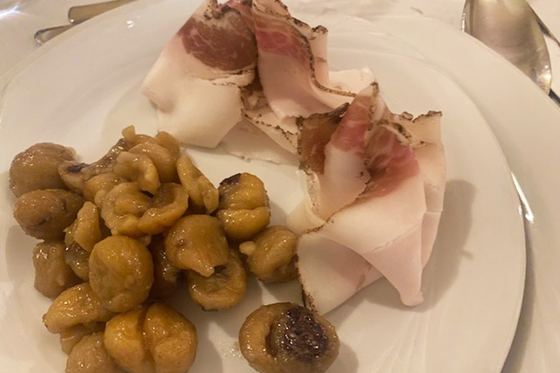
RISTORANTE DEL SANTUARIO
Graglia (BI) · 12.3 km
Trattoria Tarello
Roppolo (BI) · 14.4 km
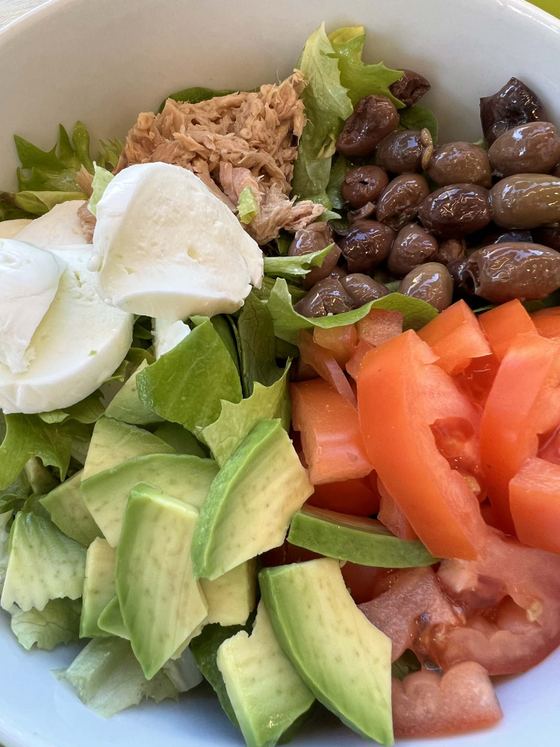
Papi - I Sapori Dell’Orto Di Patrizia E Pino
Ivrea (TO) · 19.4 km
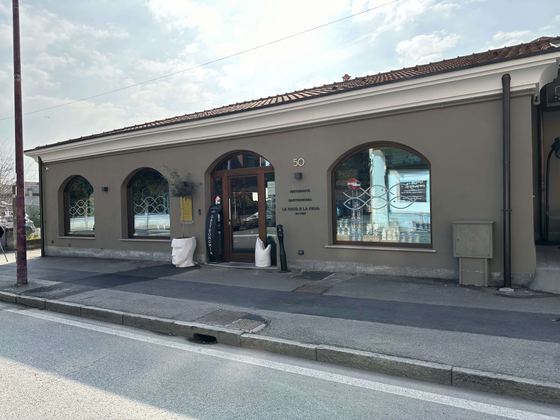
Ristorante La Rava E La Fava
Ivrea (TO) · 19.6 km
