
In Matelica there is a curious tradition of walking seven times around the octagonal sixteenth-century fountain in the main square to receive from the Pro Loco a 'Patente da mattu' certificate — a lighthearted ritual that made the town famous as 'the city of madmen'.
Matelica is a town in the province of Macerata, spread across the Esino valley among the hills of the Umbrian-Marche Apennines. At the heart of its civic life lies Piazza Enrico Mattei — named after the founder of Eni, who was born here in 1906 — a broad square, arcaded along one side, dominated by a white stone fountain with an octagonal plan. The fountain was built in the sixteenth century by Lattanzio Ventura of Urbino, the same architect responsible for the Santa Casa di Loreto. The four statues that pour water into the basin face the cardinal points, and the townspeople have given each one a proper name: La Sirena to the north, Maccagnano to the east, Biutino to the south, La Veloce to the west.
Around this fountain unfolds a ritual with precise roots in the city's administrative history. A law of the Ottoni — the family that ruled Matelica in the Middle Ages — decreed that anyone who went bankrupt had to walk twelve laps around the fountain, shouting aloud: «Io ho ceduto alli miei beni et per questo nisiuno mai più me creda» (I have surrendered my possessions, and for this let no one ever trust me again). It was a public declaration of insolvency, a procedure that blended civil sanction with exposure to the community's judgment. Over time, the number of laps was reduced to seven, and the spoken formula fell away. What remains is the gesture: walking around the fountain under the supervision of an attendant from the Associazione Pro Matelica (Matelica's local tourist and civic association), at the end of which the «Patente da mattu» (madman's license) is issued.
The document — an unofficial certificate, though formally handed over — attests that the bearer has completed the ritual and belongs, at least symbolically, to the ranks of Matelica's madmen. The nickname is as old as the town itself: tradition attributes to Pope Sixtus V, a native of the Marche, the remark «Se a Matelica chiudessero le porte, sarebbe un manicomio» (If they closed the gates of Matelica, it would be a madhouse). The line, which oral tradition has shaped into something resembling a historical quotation, distills an irony the town has chosen not to shake off, turning it instead into identity.
What sets this tradition apart from many other Italian folk customs is its self-mocking structure: it celebrates no feat, no victory, no saint, but madness itself — understood as lightness, as a willingness to do something pointless and circular, literally. The square remains the stage for this small secular ceremony, with the arcades as backdrop and the sixteenth-century fountain at its center, indifferent to the laps that have been made around it for five centuries.
Helvio ricina · CC BY-SA 4.0 — Wikimedia Commons
Certified Made in Italy businesses close to this place.
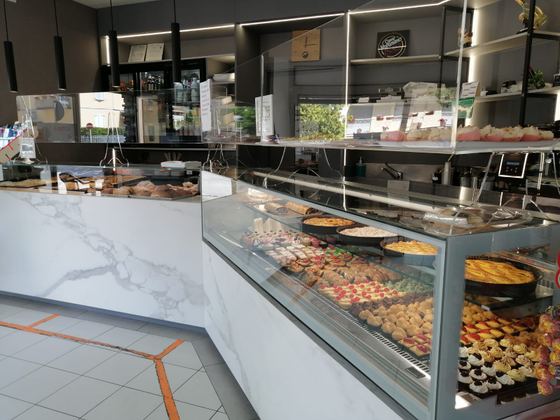
La Gustosa
Matelica (MC) · 2 km

Monella Pizza Experience
Fabriano (AN) · 12.5 km

Shido Barber Shop
Fabriano (AN) · 12.5 km
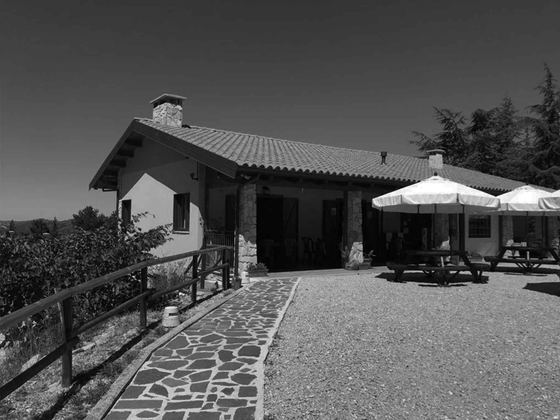
La Terrazza di San Guido
Gualdo Tadino (PG) · 18.6 km

BIRRA FLEA
Gualdo Tadino (PG) · 19.2 km

RP di Rondelli Paolo
Gualdo Tadino (PG) · 19.8 km
