Before you go on
This site uses only what it needs to work: the language you choose, access to the members' area, and anonymous counts that tell us whether the search is answering well. For advertising campaigns we ask your permission, and without a yes nothing starts. See the full list.

A small medieval village in southern Umbria, little touched by ordinary tourist circuits, set within a hilly landscape that keeps its historic atmosphere intact.
Parrano sits at about 500 metres above sea level, on the hills marking the border between southern Umbria and Lazio, in the province of Terni. The village belongs to that inland geography of the peninsula long overlooked by the major routes: a system of wooded hills, narrow valleys and settlements of a few hundred souls, where continuity with the medieval landscape is not the result of restoration but of an almost silent persistence.
The urban layout of Parrano retains the typical structure of the Umbrian feudal village: a compact nucleus perched on a spur, with houses following the contour lines and clustering around the castle. Its position on the edge of the region has historically meant a certain administrative marginality, but also a relative imperviousness to the transformations that have affected centres more exposed to major communication routes. The result is a layering of buildings that tells centuries of rural life without evident fractures.
The municipality today has a very small population, like many small centres of the central Apennines affected by twentieth-century depopulation. This demographic contraction has left traces in the built fabric — a closed building here, a less frequented lane there — but it has not erased the coherence of the whole. The surrounding landscape, made up of turkey oak and oak woods, pastures and a hilly morphology little altered by time, forms the context in which the village has always made sense.
Its location on the border between Umbria and Lazio places Parrano within an area of cultural and historical transition worth noting. This strip of territory, between the Valnerina, the Orvietano and the Tuscia, saw in the Middle Ages an overlapping of influences — ecclesiastical, seigneurial, communal — reflected in the minor architecture and the organisation of the land. Parrano is a discreet example of this: not a centre of power, but a node in that capillary network which held the medieval countryside together.
Original uploader was Avicenna07 at it.wikipedia · CC BY-SA 3.0 — Wikimedia Commons
Certified Made in Italy businesses close to this place.
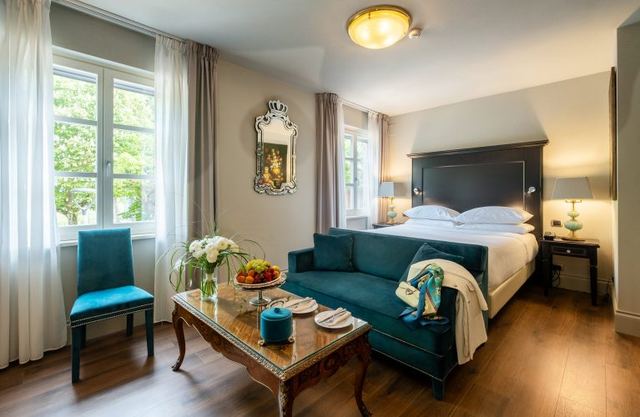
HOTEL VANNUCCI
Città della Pieve (PG) · 13 km
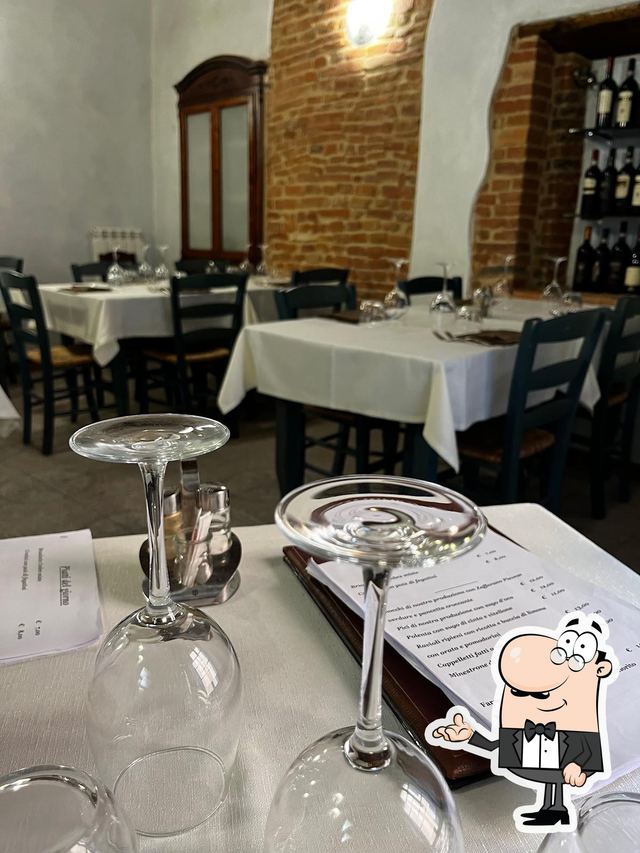
DA LAURA RISTORANTE
Città della Pieve (PG) · 13.2 km
AGRITURISMO SANTA MARIA - a San Venanzo
San Venanzo (TR) · 13.2 km

Corradini Serramenti
Castel Viscardo (TR) · about 15 km
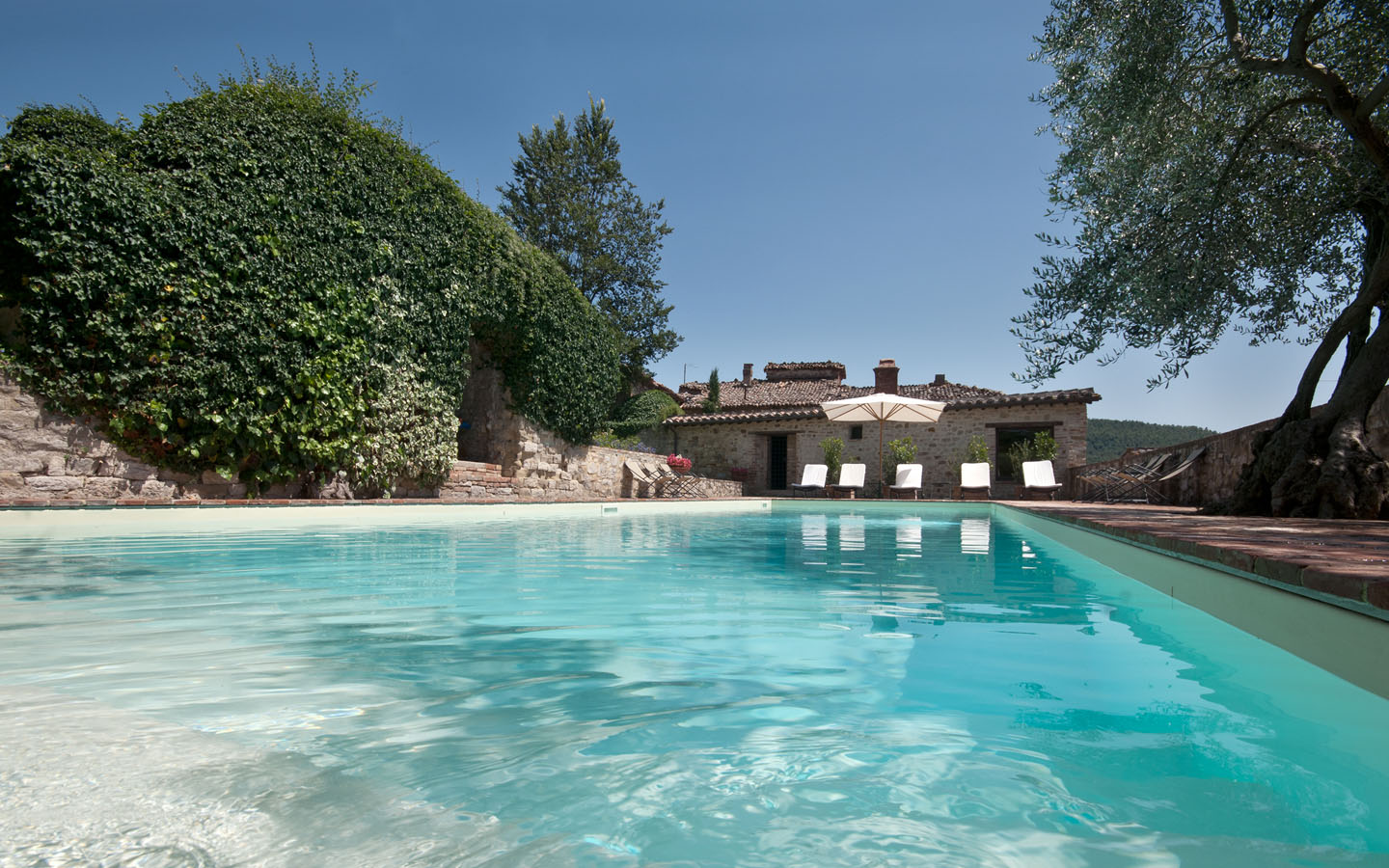
AGRITURISMO FATTORIA AQUILONE
San Venanzo (TR) · about 15 km
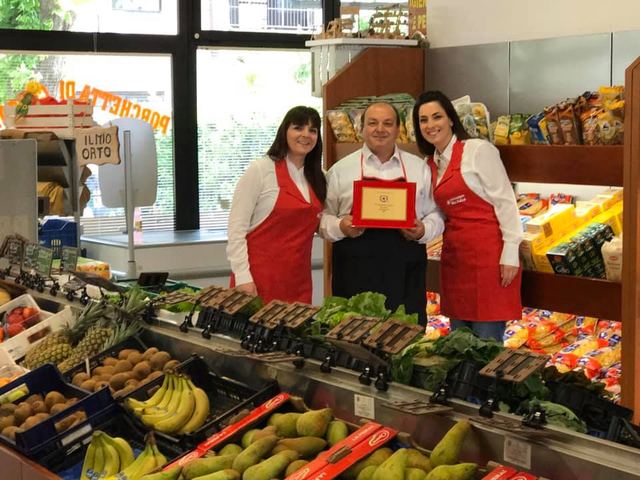
Re Sole Ortoagrumi
Orvieto (TR) · 15.9 km