
A niche passito white wine produced in the hills around Bosa, among the rarest and most distinctive of Sardinia, tied to a landscape of terraced vineyards overlooking the Temo.
Malvasia di Bosa DOC is born in a precise and circumscribed territory: the Planargia, the belt of hills in north-western Sardinia that slopes down toward the Temo river, the island's only navigable waterway. The vineyards grow on narrow, steep terraces where mechanical work is nearly impossible and human hands remain indispensable at every stage. The area under vine for this denomination is among the smallest in Italy, amounting to just a few hectares in total, tended by a handful of producers who keep alive a tradition centuries old. This productive isolation is not a weakness: it is the condition that has preserved the character of both grape and wine.
The name's origins trace back to Monemvasia, the port-fortress on the south-western coast of the Peloponnese, from which Venetian traders in the Middle Ages spread the term "Malvasia" across the Mediterranean to describe the sweet, alcoholic wines coming from the Greek East. How the grape variety reached Sardinia — via Phoenician, Catalan, or Genoese trade routes — remains a matter of debate among scholars, but its presence on the island is documented over centuries. In Bosa, the variety found a microclimate and soil that turned it into something distinct from every other Italian Malvasia: a wine that the standard classifies as made from dried grapes, with a minimum total alcoholic strength of fifteen percent by volume, at least thirteen of which must be developed, in its amabile, dolce, and riserva versions.
The color is a deep gold that turns to amber with age. On the nose it recalls dried fruit and candied orange peel, with controlled oxidative notes reminiscent of certain meditation wines from the Iberian Peninsula or the Greek islands. This oxidative character is not a flaw but a deliberate, long-established technique: part of the winemaking process involves controlled exposure to air, a practice that Malvasia di Bosa shares with other rare wines of the Mediterranean basin. The result is a wine not meant to be drunk absent-mindedly: it asks for time, the right temperature, a fitting occasion.
The fragility of this denomination is structural. With so few producers and such a limited area under vine, it would take only one or two estates ceasing production for the entire DOC to shrink further. In recent decades the risk of terraced vineyards being abandoned — costly to maintain, difficult to mechanize, far from mass commercial circuits — has been real. And yet the denomination endures, sustained by a small community of winegrowers who regard this production as an irreplaceable part of local identity, and by a niche demand that comes mostly from collectors and enthusiasts well aware of the rarity of what they are seeking.
Bosa, with its Malaspina castle overlooking the hill and the medieval quarter of Sas Conzas along the Temo, provides the setting in which this wine is also visually placed. The terraced vineyards surrounding the town are not a decorative backdrop: they are an active part of an agricultural landscape that has shaped the very form of the territory over generations. To walk these hills is to read, in the dry-stone walls holding up the rows, the measure of work required to produce something that ultimately fills only a few hundred bottles a year. It is a proportion that says a great deal about the nature of this wine, even before the bottle is opened.
Air fans · CC0 — Wikimedia Commons
Certified Made in Italy businesses close to this place.
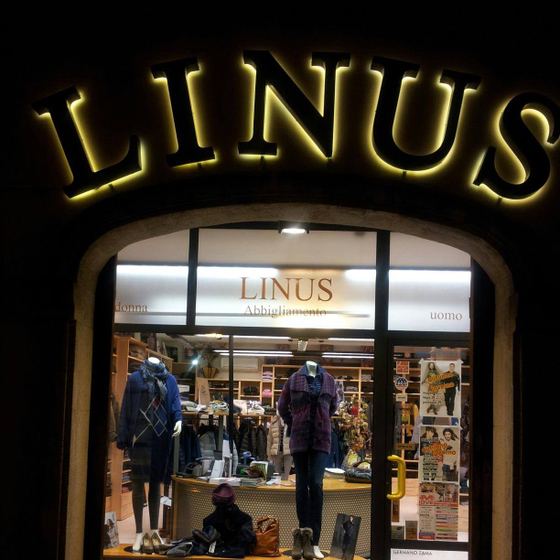
Linus Abbigliamento
Thiesi (SS) · 31.4 km
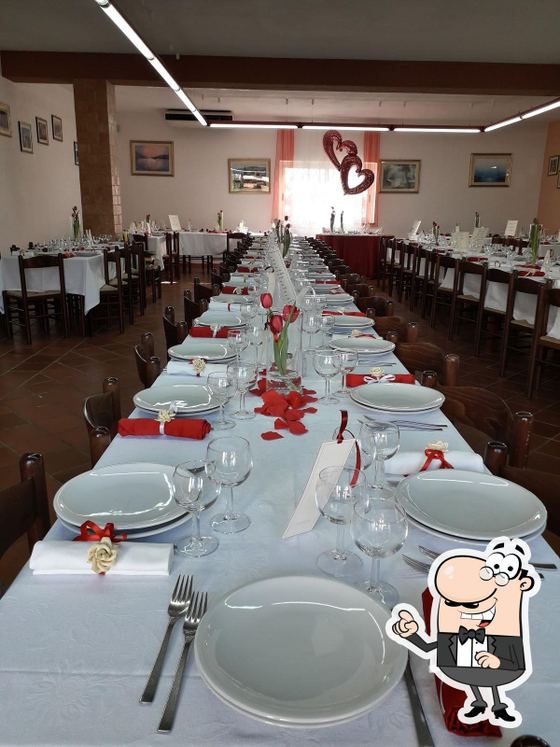
RISTORANTE OK CORRAL
Abbasanta (OR) · 32.1 km
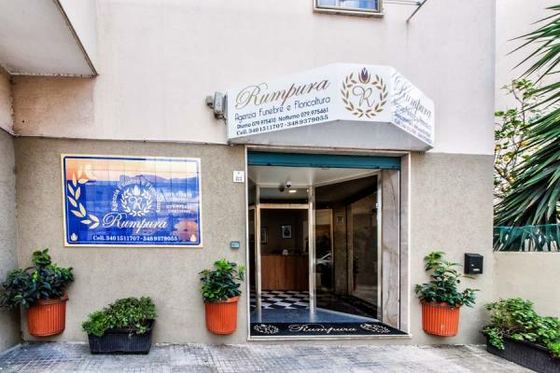
O.F. RUMPURA Srl
Alghero (SS) · 32.4 km
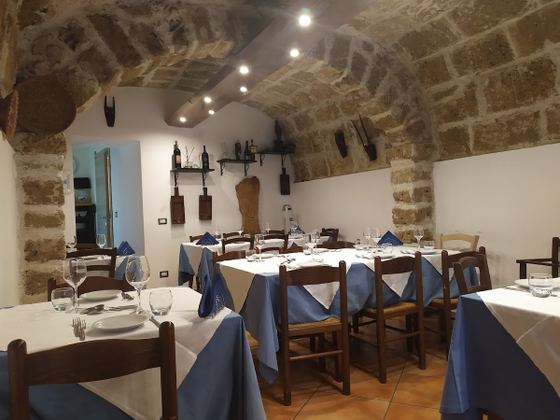
Ristorante Mabrouk
Alghero (SS) · 33.1 km
B&B Rita e Renzo - Affittacamere
Riola Sardo (OR) · 33.6 km
Pasticceria Macioni Cucca
Mores (SS) · 39.5 km
