
Native lemon variety from the Ionian coast of Messina, a niche product with autumn ripening and a traced supply chain, at the heart of small-scale local craft processing.
On the Ionian coast of the province of Messina, between Nizza di Sicilia and the villages overlooking the Messina valleys, grows a cultivar that does not belong to the ordinary catalogue of mass-market citrus fruit. The Interdonato lemon is a natural hybrid between citron and lemon — botanically classified as *Citrus limon* of the Rutaceae family — and its origin is located in this stretch of eastern Sicily with a geographic precision that the IGP standard has translated into regulation: the Protected Geographical Indication «Limone Interdonato Messina» is reserved exclusively for fruit grown in this area, according to conditions codified article by article.
The plant produces medium-to-large fruit, weighing between 80 and 350 grams, of elliptical shape with a pronounced apex. The peel is thin and only slightly rough, with well-spaced oil glands; the flesh is yellow, tender and juicy, with seeds that are rare or entirely absent. The distinguishing visual detail that sets this lemon apart from others lies in its ripening: at the start of the commercial season the fruit appears matte green, then turns yellow, but the ends retain a green tinge even at full physiological ripeness. Harvesting takes place between September and October, on a calendar that precedes the more widespread varieties and leaves the winter market to others.
This autumn window is no agronomic accident: it is the condition that has historically built the economic value of the Interdonato, able to reach the market fresh while competitors were still in the field. Today that narrow seasonality feeds a local artisan supply chain that turns the fruit into jams, alcoholic creams, limoncello, and less obvious preparations such as lemon salami or soap made from the essential oils of the peel. The product's certified traceability holds these steps together, from plant to processing, in a system that its niche scale makes fragile but also coherent.
Nizza di Sicilia, a town of just over two thousand inhabitants overlooking the Ionian Sea, is the gravitational centre of this production. The surrounding territory — terraces, a microclimate tempered by the sea's proximity, soils of volcanic and alluvial origin — has over the centuries selected the conditions in which the Interdonato expresses the traits the standard describes with technical precision. Cultivation remains largely family-run, with small plots and a production logic far removed from economies of scale. It is this structure that determines both the quality and the scarcity of the product on the national market.
Davide Mauro · CC BY-SA 4.0 — Wikimedia Commons
Certified Made in Italy businesses close to this place.
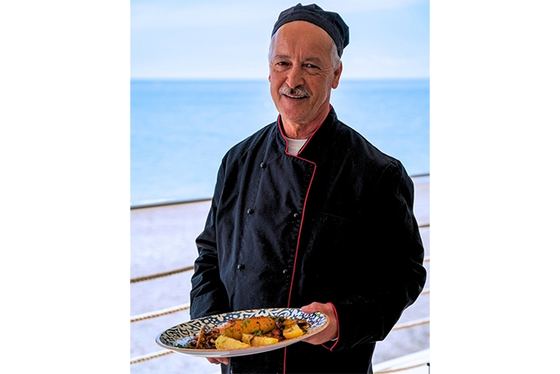
BONDAY RISTORANTE -BEACH CLUB
Giardini Naxos (ME) · 23.1 km
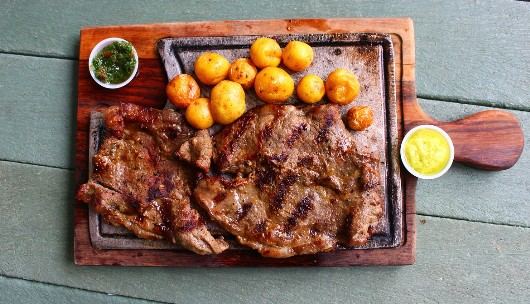
GASTRONOMIA DEL CARMINE
Reggio Calabria (RC) · 23.7 km
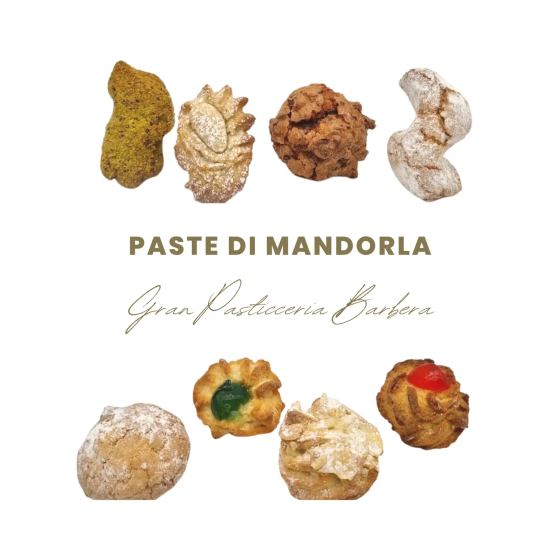
Gran Pasticceria Barbera
Barcellona Pozzo di Gotto (ME) · 24.2 km
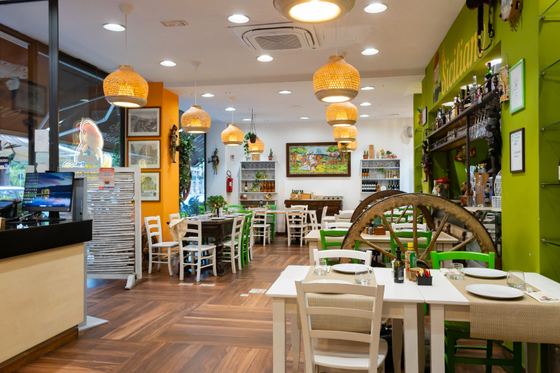
Il Siciliano
Messina (ME) · 25.5 km

RISTORANTE BRACERIA PIZZERIA VILLEGGIANTE DA CICCINO
Reggio di Calabria (RC) · 25.9 km
PRODOTTI TIPICI CALABRESI DI GIORDANO CARMELA
Reggio Calabria (RC) · 26 km
