The tradition of wood carving in the valleys of Trentino-Alto Adige has its roots in the long alpine winters, when craftsmen turned local timber into sacred objects, tools and sculptures passed down from generation to generation.
Val Gardena — three Ladin-speaking municipalities, Ortisei, Santa Cristina and Selva, set among the Dolomites in the province of Bolzano — has practised wood carving for more than four hundred years. Before the valley became one of Europe's most visited alpine destinations, its families were farmers: summers spent on the pastures and in the fields, winters shut indoors with carpenter's tools. It was in those months of snow and silence that a craft school took shape, one able to develop a recognisable style and pass it down through generations, not through manuals but through direct imitation, master and apprentice working side by side.
The traditional repertoire included wooden toys, sacred figures, nativity scenes and crucifixes worked with a precision that the material itself makes possible: wood, unlike stone, yields to the chisel in a controlled way, follows the grain, allows fine detail without losing structure. Over time, the more enterprising families began sending their sons to study in Venice, Rome and Vienna. What had been a winter subsistence activity grew, over the course of the nineteenth century, into a local industry of real scale: by the end of the 1800s, more than seventy per cent of the population of Val Gardena drew their income from carving and trading sculptures.
Today a number of historic workshops keep this production alive, combining ecclesiastical commissions — statues, altars, decorative elements for churches around the world — with a more contemporary line that reinterprets traditional forms without abandoning the underlying technique. Studio Demetz Art, active for more than one hundred and thirty years, is one of the best-documented examples of this continuity: it still works wood by hand, letting the material's natural character remain visible in the finished surface, whether coloured with oil or left in its original tone.
What sets the Gardena tradition apart is not just its longevity but the consistency of its method: knives and chisels have remained essentially unchanged from their medieval forms, a hierarchy of work still follows distinct stages — rough shaping, finishing, occasional polychromy — and a culture of the single, unrepeated piece resists full-scale serialisation. Ortisei, the valley's main town, is home to the Museo della Val Gardena (Val Gardena Museum), where the collections document this historical layering with works ranging from the seventeenth century to twentieth-century production, offering concrete evidence of how well this craft has endured without ever growing rigid.
Certified Made in Italy businesses close to this place.

Granpanorama Hotel Stephanshof
Villandro (BZ) · 11.9 km

TOBIA' Ristorante Pizzeria e Bed & Breakfast
Campitello di Fassa (TN) · 12.1 km
RISTORANTE BAR BOULEVARD In Onore Di Peter Slemmer
Bressanone (BZ) · 13.5 km
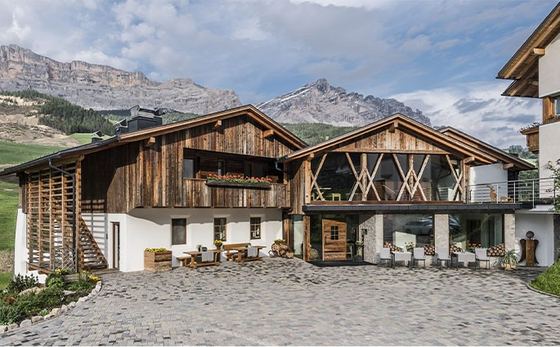
Miraval Naturhotel 4 Stelle
Badia (BZ) · 17.6 km
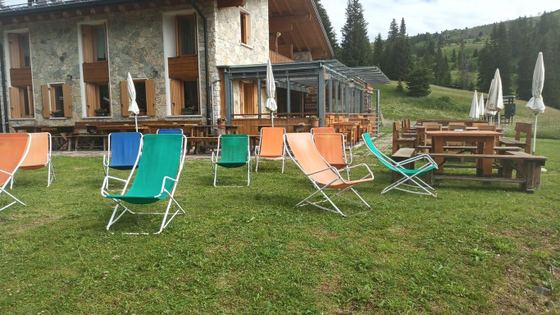
Rifugio La Viza
Livinallongo del Col di Lana (BL) · 19.1 km
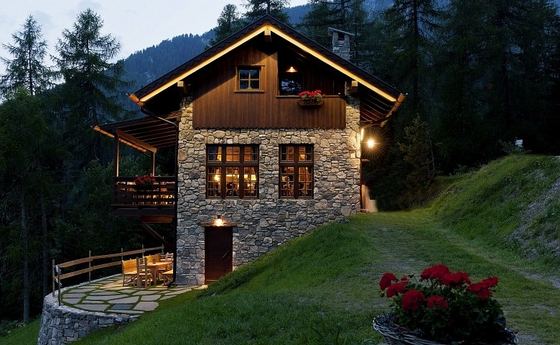
Malga Roncac
Moena (TN) · 21.5 km
