
A medieval village overlooking the Conca Ternana, a starting point for hikes into the Amerino hills with panoramic views over the Nera plain.
Collescipoli lies just a few kilometres from the centre of Terni, yet it belongs to an entirely different scale of time and landscape. A hamlet within the municipality of Terni, the village stands at 238 metres above sea level on a rise that overlooks the Conca Ternana: from that vantage point, the Nera plain unfolds to the south, while the Monti Amerini close the horizon to the north-west with their wooded ridges. The medieval urban fabric has remained largely intact — walls, towers, stone lanes — and the village is now home to around four hundred residents, a scale that keeps every architectural element legible rather than reducing it to backdrop.
Its founding dates to the 12th century, when control of the routes through the Nera valley carried real strategic weight. The perimeter walls and watchtowers still visible in the village's fabric are not decoration: they were the answer to a contested geography, and the hilltop position was the first condition of defence. Walking along Via di Villa Glori or reaching Largo San Niccolò means moving through a spatial sequence that has escaped the interruptions typical of centres more exposed to tourism or to twentieth-century building pressure.
For hikers, Collescipoli functions as a threshold to territory that remains among the least frequented in central Umbria. The Monti Amerini — the hill and mountain system stretching between the Valnerina and the Tiber valley — offer trails through oak woods and beech forests, with stretches crossing historic olive groves at lower elevations. The trail network lacks the dense signage of the region's more celebrated areas, which calls for more careful preparation but rewards it with routes free of crowds even in peak season.
The view from the upper part of the village over the Conca Ternana has a particular quality: below lies one of Umbria's most industrialised areas, with Terni and its plants, while raising one's gaze the landscape shifts to the classic profile of the central Apennines. This layering — the industrial city in the valley floor and the medieval village on the rise, chimneys and towers together — is one of the most honest geographical readings the province of Terni offers of itself.
LigaDue · CC BY-SA 4.0 — Wikimedia Commons
Certified Made in Italy businesses close to this place.
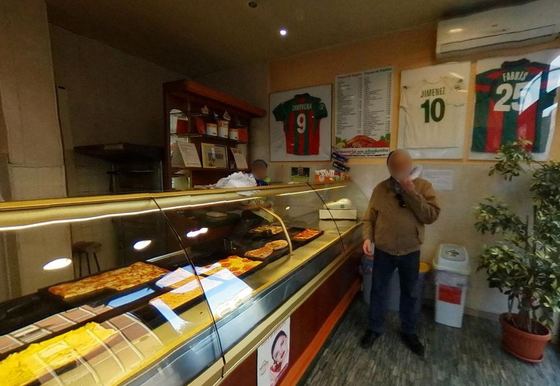
Pizzeria Dello Studente
Terni (TR) · 0.5 km
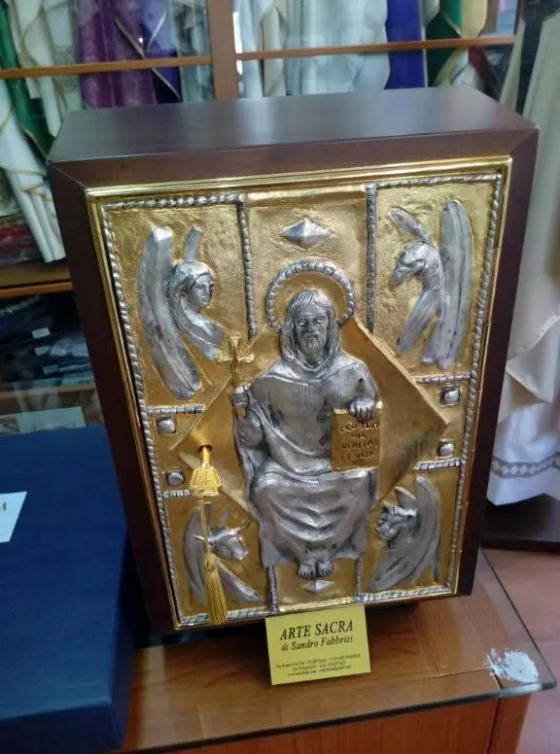
Arte Sacra Di Fabbrizi Sandro
Terni (TR) · 0.7 km
Alfio Trattoria Ternana
Terni (TR) · 0.7 km

Antica Pasticceria Dell'Artista Corrado Fittuccia Srl
Terni (TR) · 0.7 km
PASTICCERIA PAGGI E SERANGELI
Terni (TR) · 1 km
PASTA ALL'UOVO
Terni (TR) · 1.7 km
