Before you go on
This site uses only what it needs to work: the language you choose, access to the members' area, and anonymous counts that tell us whether the search is answering well. For advertising campaigns we ask your permission, and without a yes nothing starts. See the full list.

Vietri sul Mare is the leading center of artistic ceramics in Campania, recognizable for its vivid polychrome decorations and motifs inspired by the sea and rural life. The local ceramic tradition has its roots in the Renaissance and underwent a season of renewal in the twentieth century thanks to the contribution of foreign artists.
Vietri sul Mare lies at the northern edge of the Amalfi Coast, where the mountains give way to the Gulf of Salerno and the roads begin to narrow. It is here, in this shift of landscape, that artistic ceramics have built over time a presence so deeply rooted that it has become part of the very physiognomy of the place: maiolica tiles cover façades, staircases, church domes. The tradition has its roots in the Renaissance, when the first workshops organized themselves around the working of local clay, but it was over the course of the twentieth century that Vietri's production underwent a decisive turn.
Between the 1920s and 1930s, a group of German artists linked to the cultural sphere of the Bauhaus stayed in Vietri and became woven into the fabric of the local workshops. Their contribution did not replace the traditional repertoire but ran through it, introducing formal simplifications and new chromatic sensibilities that blended with the motifs already established: fishermen, lemons, fish, scenes of rural life. That layering can still be read in some productions today, where the line becomes more streamlined without losing the bold color — yellow, cobalt blue, copper green, orange — that remains the recognizable signature of Vietri ceramics.
The Museo Provinciale della Ceramica (Provincial Ceramics Museum), housed within Villa Guariglia in the hamlet of Raito, holds a collection that documents this double soul of the local tradition, from its Renaissance origins to its twentieth-century contaminations. The workshops of the historic center, meanwhile, keep the artisanal dimension alive in its most direct form: the wheel, hand glazing, kiln firing. Among them, Ceramiche Solimene occupies a building designed by the architect Paolo Soleri in the 1950s, a structure in which industrial and artisanal production coexist within an architectural setting that has its own separate story.
Vietri is recognized as a Città della Ceramica (City of Ceramics) within the Associazione Italiana Città della Ceramica, a network bringing together Italy's principal centers of maiolica production. This formal recognition, however, does not exhaust the nature of the bond between the town and its craft. In Vietri, ceramics are not an attraction set apart from the urban fabric: they are the fabric itself, the material with which the town has built a visual identity that withstands the seasons of mass tourism without dissolving into them.
Liberotag73 · CC BY-SA 3.0 — Wikimedia Commons
Certified Made in Italy businesses close to this place.
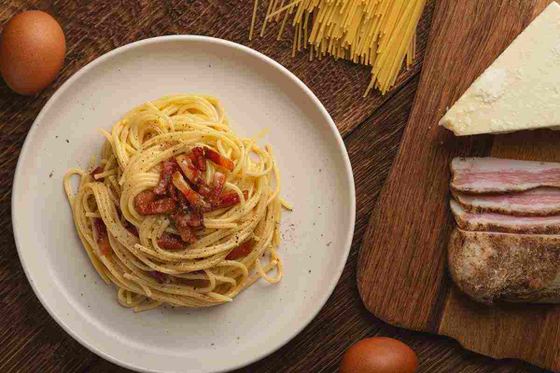
AROMA TRATTORIA ROMANA
Salerno (SA) · 2.5 km
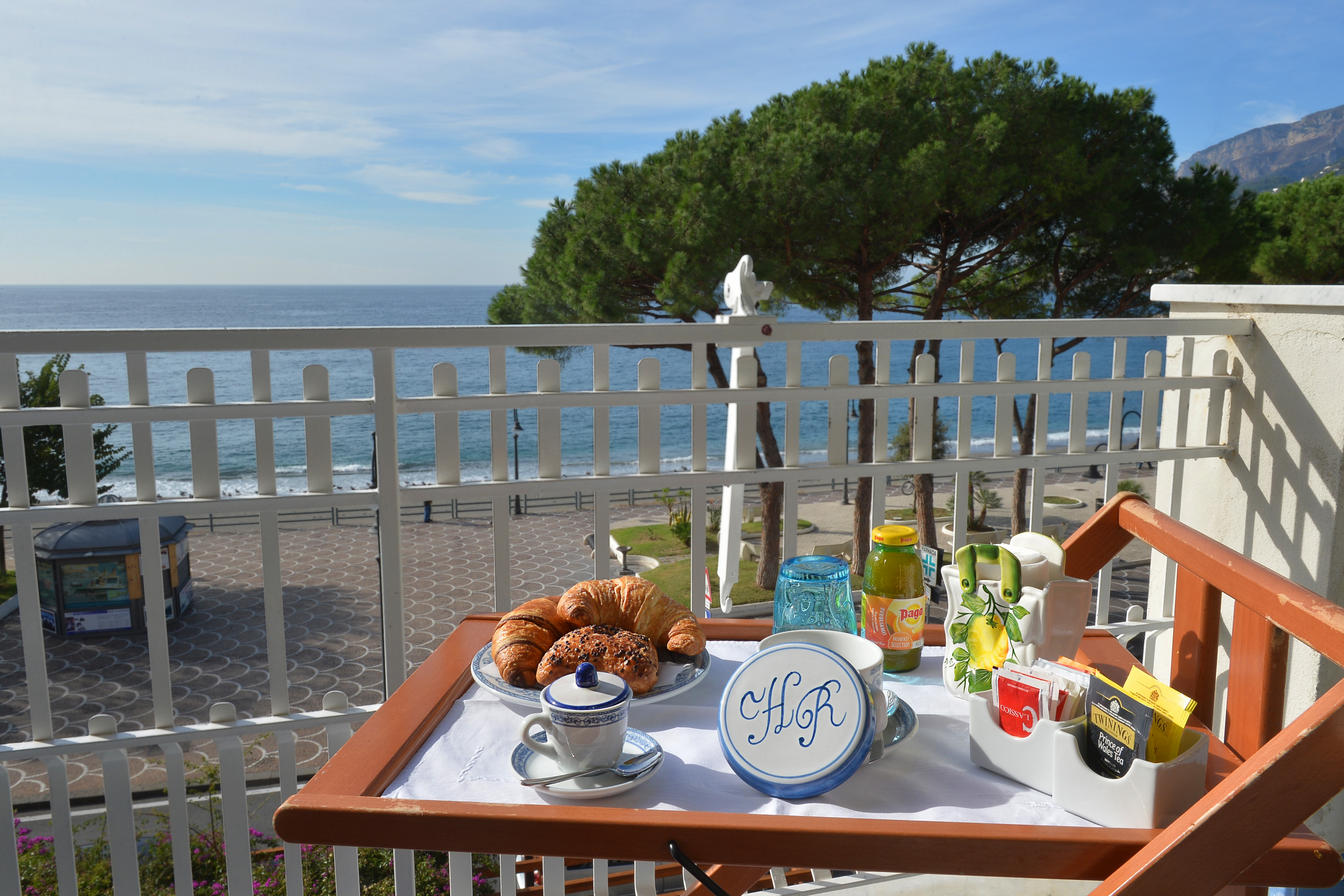
Hotel Pensione Reale Di Apicella Clara
Maiori (SA) · 8 km
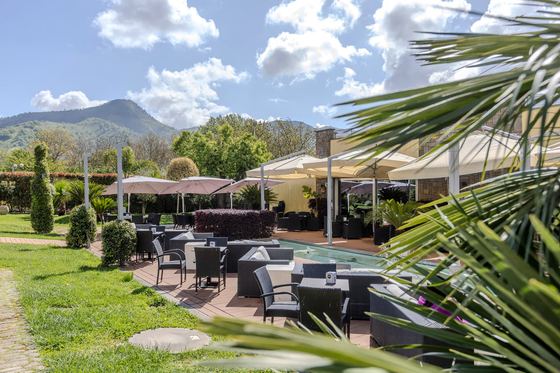
''Agorà'' American Bar
Baronissi (SA) · 8.9 km

GOCCE D'ORO APICULTURA & SERVIZI
Sant'Egidio del Monte Albino (SA) · 12.9 km
SOLFERINO 17 - DELLE SORELLE ONTANO
Pontecagnano Faiano (SA) · 14.9 km
De Gregorio Prodotti Ortofrutticoli Di De Gregorio Pasquale
Montoro (AV) · 15.1 km