
Medieval town in the Garfagnana, perched on the slopes of the Apuan Alps, known for its intimate atmosphere and its historic ties to the Lucca community that emigrated to Scotland.
Barga sits at 410 metres above sea level, on a hill that separates the Valle del Serchio (Serchio Valley) from the first foothills of the Garfagnana, in the province of Lucca. The urban layout preserves its medieval structure almost intact: a network of grey stone alleys, cart-tracks squeezed between noble palazzi, walls that follow the natural profile of the hill. The origin of the town is ancient and disputed — some hypotheses link it to Ligurian-Apuan settlements, later dispersed by the Romans, while documents from the 9th century already attest to Barga's existence as a feudal holding. The name itself resists any definitive etymology.
At the highest point of the hill stands the Duomo di San Cristoforo (Cathedral of St Christopher), a Romanesque building in pale limestone that dominates the town and the valley below. From the church square, the view takes in the ridges of the Alpi Apuane (Apuan Alps) to the west and the Apennine crests to the east, with the Valle del Serchio stretching out towards Lucca. The interior of the church holds a 12th-century Romanesque pulpit and a wooden statue of St Christopher of considerable size, elements that place Barga within a network of medieval artistic production of uncommon quality for a town of this size.
Barga's history is also marked by a migratory phenomenon that has left lasting cultural traces. Between the late 19th century and the early decades of the 20th, many families from Barga left the Garfagnana to settle in Scotland, particularly in Glasgow and the industrial towns along the Clyde. They opened cafés, ice-cream parlours and fish-and-chip shops, becoming a recognisable part of the Scottish urban fabric. The bond between Barga and that diaspora has not faded with the generations: cultural associations, genealogical research and periodic exchanges between the two communities keep alive a connection spanning more than a century.
Today the town belongs to the network of Borghi più belli d'Italia (the association of Italy's most beautiful small towns) and has been awarded the Bandiera Arancione (Orange Flag) by the Touring Club Italiano. These recognitions certify a cultural vitality that manifests concretely in a calendar of music events — with festivals dedicated to jazz and opera — and in a care for the historic centre that has spared it the most invasive transformations. Barga remains a place where historical stratification can be read directly in the stone, without mediation.
Davide Papalini · CC BY-SA 3.0 — Wikimedia Commons
Certified Made in Italy businesses close to this place.
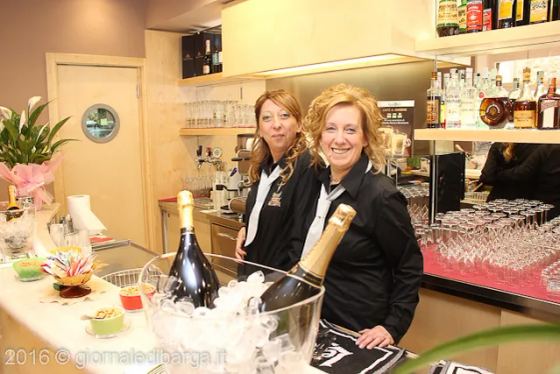
L'ANGOLO DEL CAFFE'
Ponte Allania Barga (LU) · 3.8 km
PASTICCERIA DEAA - ci si infarina le mani
Capannori (LU) · 23.3 km

BASA BARBERSHOP DI DAVIDE BASADONNE
Lucca (LU) · 24.6 km
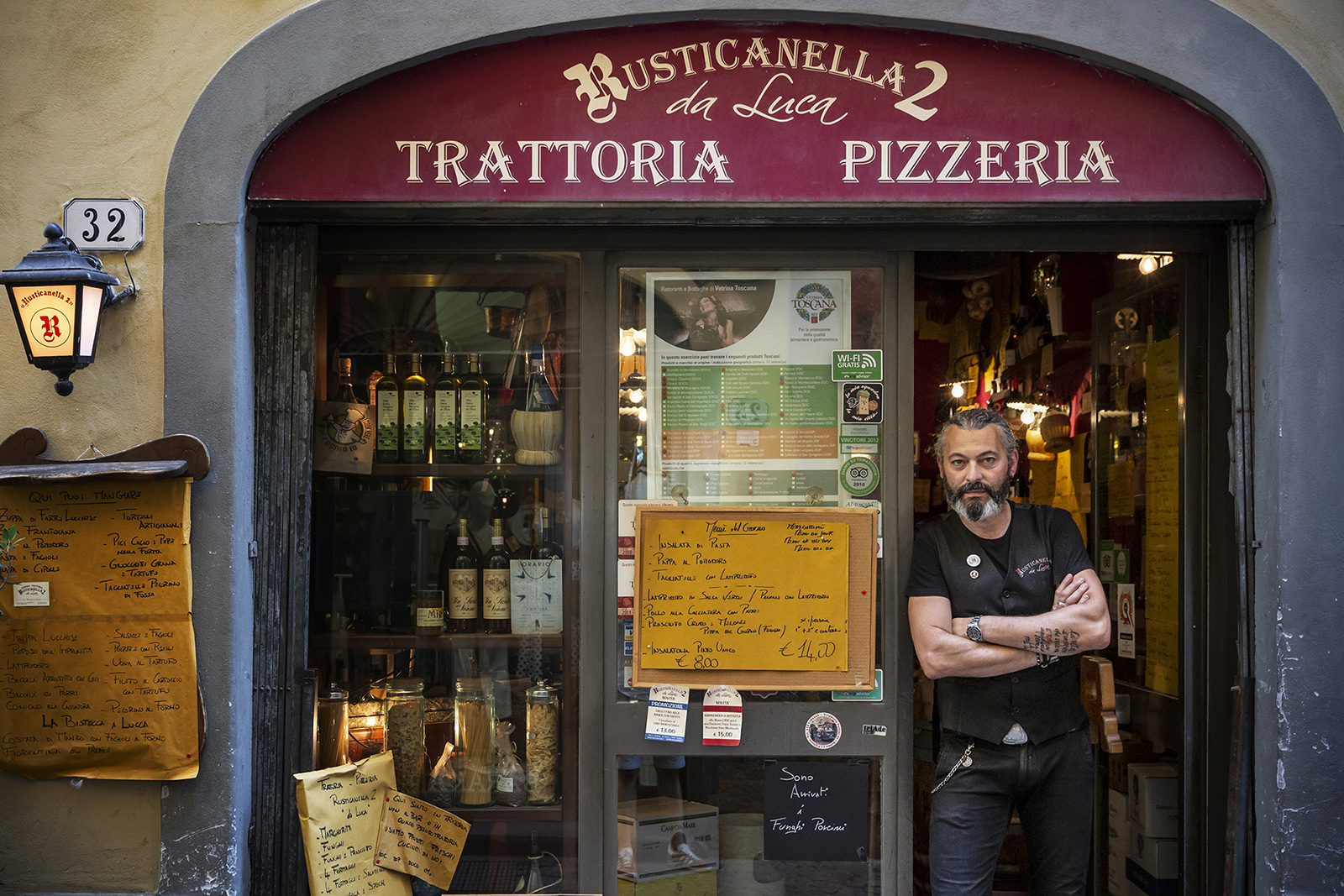
Osteria Ciberia Rusticanella 2 da Luca Il Trippaio di Lucca
Lucca (LU) · 25.7 km
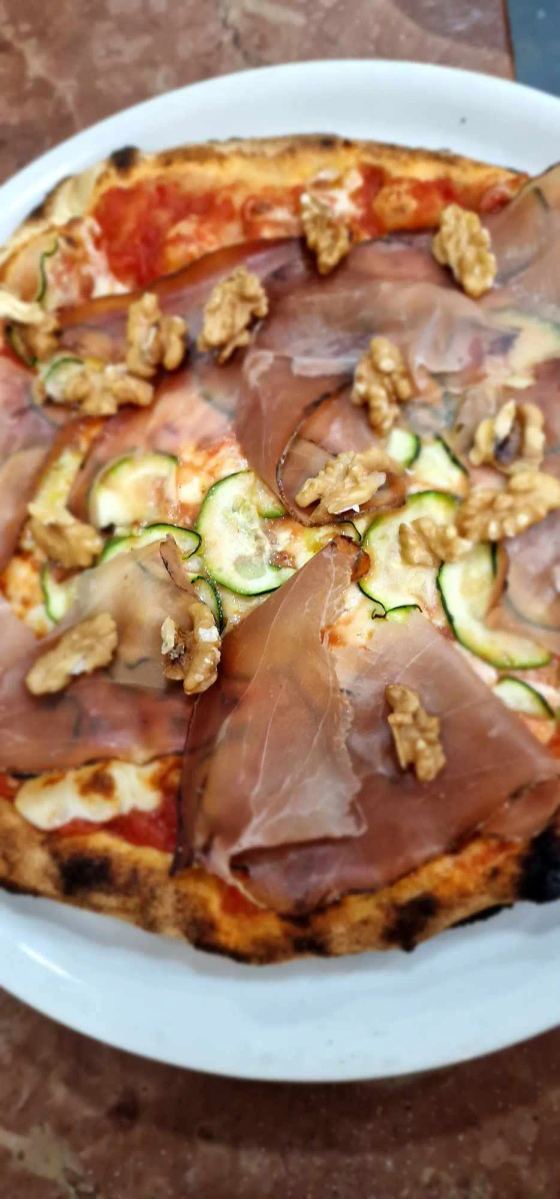
NUOVA ERA
Massarosa (LU) · 26 km
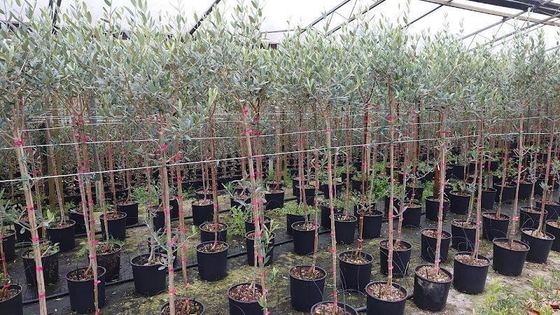
VIVAIO PIANTE DI VITA LUCA
Pescia (PT) · 28.6 km
