Before you go on
This site uses only what it needs to work: the language you choose, access to the members' area, and anonymous counts that tell us whether the search is answering well. For advertising campaigns we ask your permission, and without a yes nothing starts. See the full list.

Natural thermal springs in the heart of Amiata, with white limestone formations created by the hot waters depositing minerals in the woods. A site of spontaneous regeneration, less known than Saturnia but of great scenic charm.
On the southern slopes of Monte Amiata, in the municipality of Castiglione d'Orcia, in the province of Siena, the thermal waters of Bagni di San Filippo rise from underground at a temperature of around 52°C. The heat dissolves the calcium carbonate present in the rock, and as the water flows and cools on contact with the air, it deposits the mineral in successive layers. Over time, this process has built white limestone formations — solidified cascades, concave terraces, natural pools stacked one above the other — that thread through the woodland like a mineral structure grown without a plan.
The site lies within the landscape of Val d'Orcia, inscribed on the UNESCO World Heritage list. Yet Bagni di San Filippo keeps a different scale from the valley's more celebrated destinations: not a postcard village, not a fitted-out viewpoint, but a path through the woods that ends where the hot water meets the vegetation. Access is free and unrestricted. There are no facilities managing the pools, no set opening hours. The place works according to its own hydrogeological logic, indifferent to the tourist calendar.
The best-known formation is called Balena Bianca (White Whale): a limestone concretion of considerable size, whose irregular surface and milky colour make it recognisable from a distance even among the green of the trees. Around the main spring, the water is too hot for bathing; in the more distant pools, where the temperature drops progressively, it is possible to immerse oneself. The thermal sequence follows the distance from the spring according to a simple, verifiable logic.
The woodland surrounding the springs belongs to the transition zone between Mediterranean scrub and the beech forests of Amiata. The humidity produced by the evaporation of the hot waters creates a distinctive microclimate, already noticeable along the approach path. In winter, the contrast between the steam rising from the pools and the cold air makes the landscape visibly different from the warmer seasons, without the site losing visitors. The seasonal variable changes the experience substantially, not just aesthetically.
Bagni di San Filippo has existed as a place name for centuries: it refers to Saint Filippo Neri, to whom local tradition attributes a stop here during a journey. The small hamlet bearing the same name still preserves some structures linked to the historical use of the waters, including nineteenth-century thermal buildings now partly abandoned. This layering — between ancient popular use, contemporary visitors and an active geological landscape — is what sets the site apart from a mere natural curiosity.
LigaDue · CC BY 3.0 — Wikimedia Commons
Certified Made in Italy businesses close to this place.

DJ LATOR
San Quirico d'Orcia (SI) · 5.7 km
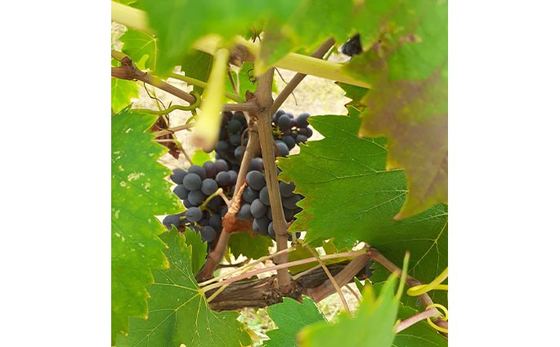
Azienda Agricola Ferro Di Burroni Daniela
Montalcino (SI) · about 12 km

IL PALATO CHIEDE IL BIS
Arcidosso (GR) · 16.3 km
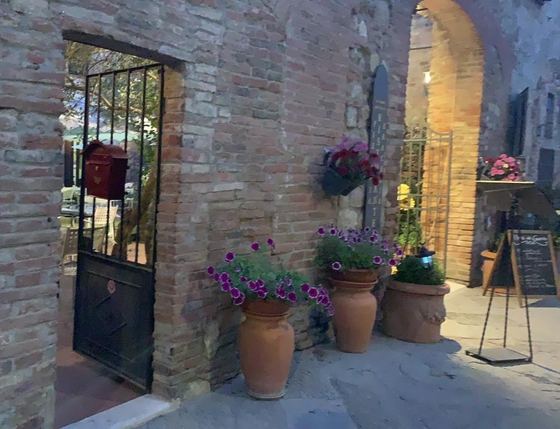
La Corte Dell' Ulivo
Montepulciano (SI) · 16.4 km
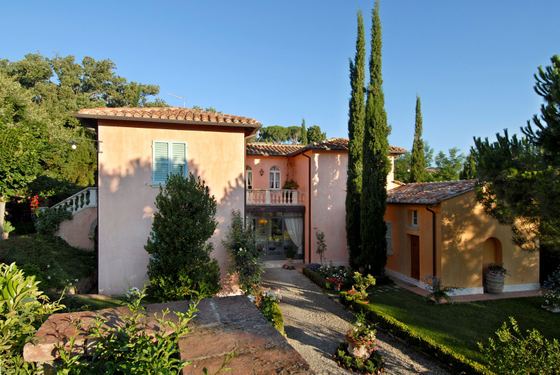
Il Rondò
Montepulciano (SI) · 17.2 km
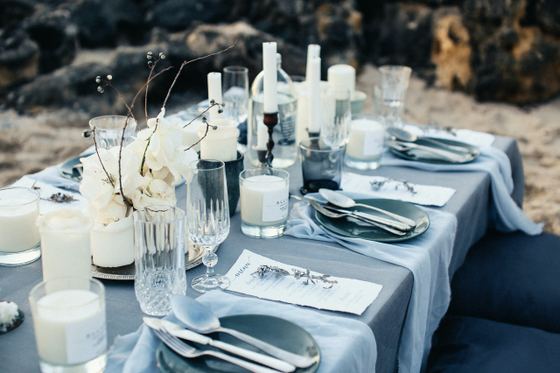
Fiorella Wedding
Sarteano (SI) · 20.7 km