
Bevagna preserves four active medieval crafts — papermaker, chandler, weaver and ropemaker — still working with period techniques, making the borgo a living workshop of historic craftsmanship.
Bevagna rises in the Valle Umbra, a few kilometres from Foligno, on a plateau slightly raised above the alluvial plain of the Clitunno. Its urban layout preserves the Roman grid of Mevania, the ancient river town that once served as an active port along the Topino, and onto that fabric the medieval town has settled, without visible ruptures, still defining the profile of the borgo today. The walls, the towers, the square with its two Roman temples repurposed as churches: everything contributes to making Bevagna an unusually legible case of historical stratification, where each era has left its mark without erasing the one before it.
The system of the Gaite — the four districts into which the medieval town was divided — still forms the framework within which the borgo's artisan life is organised today. This is not a stage-set reconstruction devised for tourism, but a model of active conservation that keeps the historic workshops running throughout the year. The papermaker produces paper by hand according to techniques documented between the 13th and 14th centuries: pulp made from macerated rags is spread over wire-mesh frames, pressed and left to dry into sheets that retain the irregular texture typical of manual manufacture. The chandler works beeswax into candles and votive objects, following processes that require no industrial mediation. The weaver works at hand looms, the painter revives medieval pictorial techniques using natural pigments. Each workshop is a place where the entire production process unfolds, from raw material to finished piece.
The Mercato delle Gaite (Market of the Gaite), held every year in the last week of June, brings this artisan dimension to the scale of the whole town: the four districts compete in reconstructing daily life between 1250 and 1350, with a philological care that extends to clothing as much as to food, materials and working techniques. But the reenactment is, in this sense, only the most visible form of a practice that does not stop when the event ends. The workshops remain open, the processes continue, and a visitor arriving at any other time of year finds artisans at work, not mannequins in costume.
What sets Bevagna apart from other borghi that have chosen the path of museification is precisely this operational continuity. The paper made by the papermaker is sold and used; the chandler's wax enters real commercial circuits. The heritage is not preserved behind glass but kept in production, with all that this entails in terms of the transmission of knowledge and the constant adaptation to the material conditions of the work.
Wikibardamu · CC BY-SA 4.0 — Wikimedia Commons
Certified Made in Italy businesses close to this place.
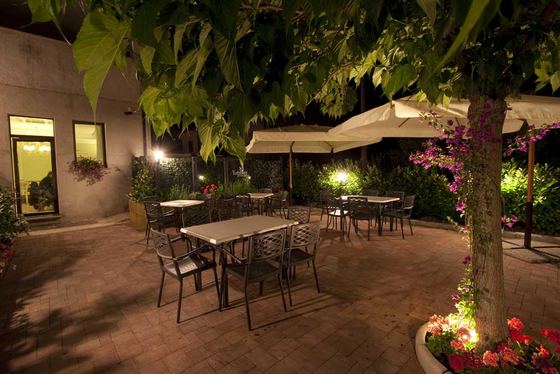
Ristorante La Lumaca D'Oro
Bevagna (PG) · 4.3 km
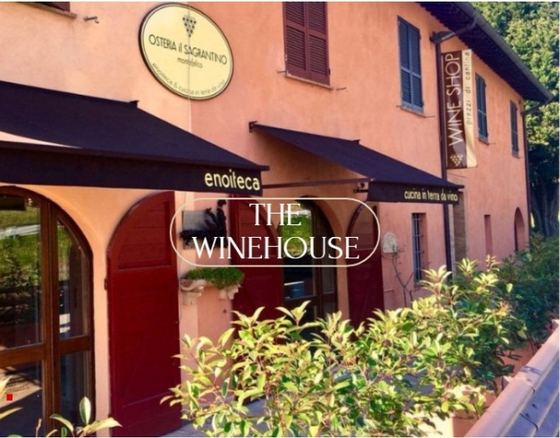
OSTERIA IL SAGRANTINO
Montefalco (PG) · 4.5 km
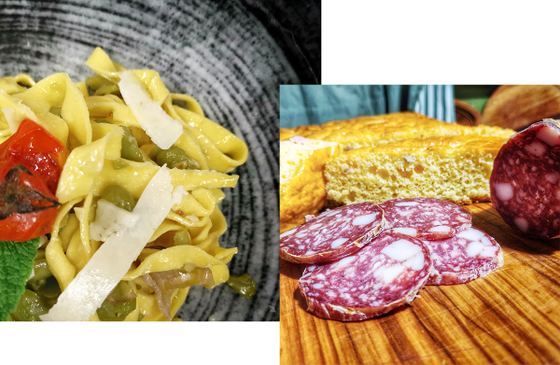
OLEVM
Montefalco (PG) · 5.7 km
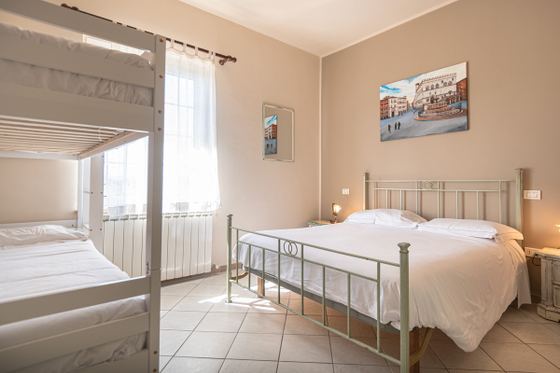
AGRITURISMO TORRE QUADRANA
Spello (PG) · 5.9 km
Norcineria Pizzoni Adelmo
Foligno (PG) · 6.8 km
IL VICOLETTO DEL GUSTO PIZZERIA
Bevagna (PG) · 6.9 km
