
In Geraci Siculo, a village in the Madonie, the figure of the blacksmith — known as 'u furgiaru' — represents one of the most deeply rooted craft traditions, with the distinctive practice of acciaiatura (steel-facing) that made tools both durable and pliable.
Geraci Siculo rises on a ridge of the Madonie at about 1,070 metres above sea level, within the metropolitan city of Palermo. According to etymological tradition, the village owes its name to the Greek *jerax*, meaning vulture — a reference to the elevated position and rugged character of the surrounding landscape. It was in this mountain setting, far from the plains and the main trade routes, that for centuries a subsistence economy developed, built on precise trades handed down from generation to generation with the same care given to the language itself.
Among these trades, that of the *furgiaru* — the blacksmith — held a central place. The term derives directly from the forge, the charcoal-fired furnace that brought metal to the incandescence needed for working it. In the economy of a mountain village like Geraci Siculo, the blacksmith was no marginal figure: he made and repaired the tools of farmers, shepherds and woodcutters. Without him, the entire productive cycle of the territory would grind to a halt.
What set the *furgiari* of Geraci Siculo apart was their mastery of a specific technique known as acciaiatura (steel-facing). This process involved welding or fusing steel onto the raw iron at strategic points of the tool — the edge of a hoe, the tip of a pick — giving the implement localised hardness without compromising its overall flexibility. The result was a tool able to withstand wear at the critical points and to resist breaking under strain. Mastering this technique took years of apprenticeship: it was not enough to know fire and hammer — one had to read the colour of the glowing metal and recognise the exact moment to intervene.
Today the memory of this craft is preserved and documented by the municipality of Geraci Siculo, which has gathered its techniques and tools as part of initiatives to safeguard the village's intangible heritage. Geraci Siculo placed third in the national competition *Il Borgo dei Borghi* (Village of Villages) in 2021, a recognition that drew attention to a territory whose documented history dates back at least to the sixth century BC, when Greek colonisation reached even these inland areas of Sicily. The *furgiaru* and his forge belong to a more recent layer of that history, but no less rich.
Federica Genzone · Public domain — Wikimedia Commons
Certified Made in Italy businesses close to this place.
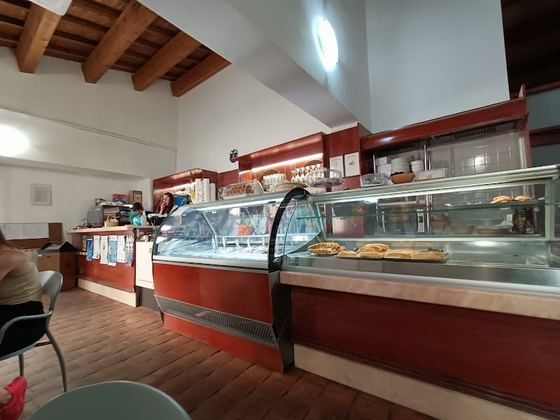
LA DIMORA RISTORANTE PIZZERIA
Gangi (PA) · 8.1 km
AZIENDA AGRICOLA ZOOTECNICA CASEARIA D'IPPOLITO SALVATORE
Polizzi Generosa (PA) · 14.5 km

CATANZARO HAIR & BEAUTY
Santo Stefano di Camastra (ME) · 24.3 km
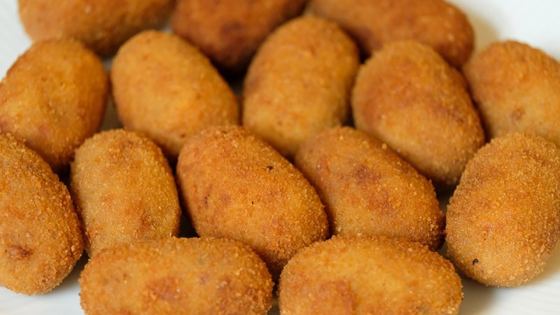
Bar Paradise
Santo Stefano di Camastra (ME) · 24.4 km
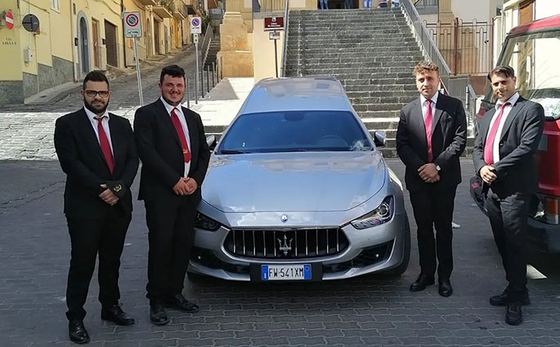
Agenzia Onoranze Funebri Di Fiscella Alessandro
Nicosia (EN) · 24.5 km
EdilVeca Srl
Nicosia (EN) · 24.6 km
