
An area of the southern Marche little frequented by mass tourism, marked by villages caught outside of time, unspoiled landscapes and an authentic culinary tradition tied to local products.
The Piceno area occupies the southern fringe of the Marche region, with a landscape geometry that leaves no room for half measures: the Sibillini Mountains and the Gran Sasso rise to the west, the Tronto river carves its valley toward the Adriatic, and in between stretches a system of hills that change colour with the seasons, from the scorched yellow of summer to the deep green of autumn. Ascoli Piceno, the provincial capital built almost entirely in travertine quarried locally, is the gravitational centre of this territory, but Piceno as a geographic and cultural entity extends well beyond its medieval walls, reaching villages that organised tourism has yet to discover with any consistency.
The cuisine of this area bears the marks of a double belonging: to the mountains and to the coastal plain, to the Apennine hinterland and to Adriatic culture. The constraints imposed by the shape of the land have generated, over time, a precise and rigorous larder. Olive ascolane tenere (soft Ascoli-style olives), a Slow Food presidium and a product with a protected designation of origin, grow in a well-defined stretch of the Tronto valley and are distinguished from varieties grown elsewhere by their abundant flesh and small pit — characteristics that make them suited to stuffing with mixed meats and frying, a preparation that in Ascoli is everyday practice long before it becomes a tradition to put on display. Alongside them, ciauscolo, a spreadable cured meat made from finely ground pork with garlic and wine, and vincisgrassi, baked lasagne with a ragù of giblets and meat that differs noticeably from the versions found elsewhere in the region.
The wines of Piceno complete this picture without overshadowing it. Rosso Piceno DOC, made from Montepulciano and Sangiovese grapes in varying proportions, has accompanied the tables of this province for centuries. The Superiore subzone, with a higher concentration of Montepulciano, expresses a denser structure, suited to the meats and aged cheeses that the Apennine pastures continue to produce. Falerio DOC, a white wine based on Trebbiano and Passerina, follows the opposite logic: dry, direct, made for the Adriatic fish that arrive fresh from the markets of San Benedetto del Tronto.
What sets Piceno apart from other, more celebrated Italian food and wine territories is not the isolated excellence of a single product, but the internal coherence of the system: the same land that produces the soft olive supplies the extra virgin olive oil used to fry it, the pastures that yield the milk for pecorino are the same ones that feed the animals used for ciauscolo, the vineyards grow on the same hills that host the wheat fields for pasta. This circularity, claimed today as a virtue in the most varied contexts, has here never been interrupted by radical agricultural modernisation, and can still be read in the structure of the weekly markets and in the provisioning habits of many families in the province.
Salone_De_Carolis_Ascoli_Piceno_-_Castore_e_Polluce.jpg: Infinitispazi derivative work: Nnaluci (talk) · CC BY-SA 3.0 — Wikimedia Commons
Certified Made in Italy businesses close to this place.
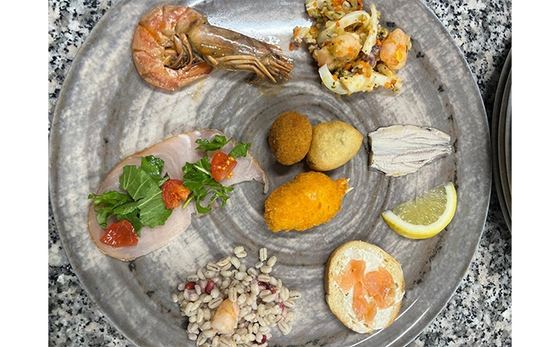
ZIO PIETRO - RISTORANTE PIZZERIA BAR
Ascoli Piceno Poggio di Bretta (AP) · 2.2 km
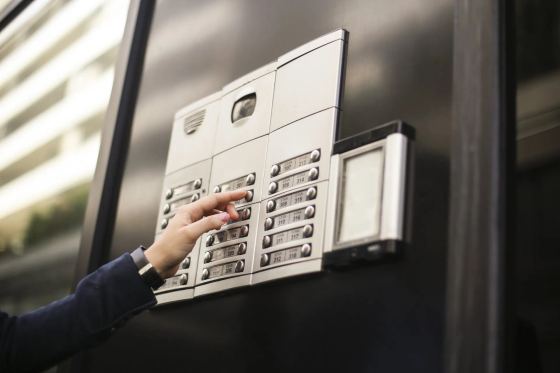
E.G. IMPIANTI Srl
Sant'egidio Alla Vibrata (TE) · 8.8 km
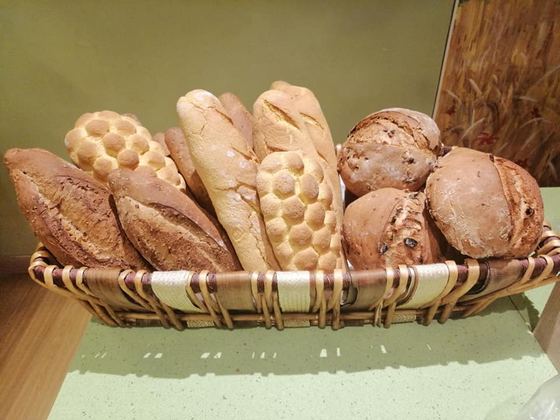
Panificio Profumo Di Grano Di Gabrielli Luca
Pagliare del Tronto (AP) · 12.5 km
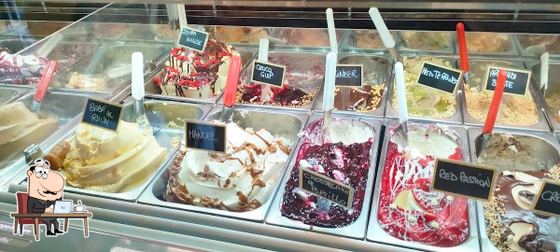
GULP Gelateria Bar Pasticceria
Monsampolo del Tronto (AP) · 16.5 km
CAFFE' DIVINO
Monteprandone (AP) · 19.9 km
FORLINI SERVIZI
San Benedetto del Tronto (AP) · 21.2 km
