A thermal facility set within the context of ancient Venusia, the city of Horace, combining care for the body with the historical and archaeological richness of the surrounding territory.
Venosa sits on a plateau in northern Basilicata, in the province of Potenza, at an altitude of around 415 metres above sea level. It was founded as a Roman colony in 291 BC under the name Venusia, and even then it carried a strategic vocation: a military outpost on the border between Sannio and Apulia, a crossroads of routes and cultures. Quintus Horatius Flaccus was born here in 65 BC, and over the centuries the town has held onto this legacy with a discretion rarely found in places marked by such historical density.
The archaeological park of Venosa is among the largest in southern Italy. It preserves the remains of a Roman amphitheatre, public baths, houses with mosaics and opus signinum flooring, and a sacred area with the remains of several superimposed temples. Alongside these, the Jewish and Christian catacombs — dating between the 3rd and 6th centuries AD — document the coexistence of different communities in a settlement that remained active and layered well beyond the fall of the Empire. The so-called Incompiuta (the Unfinished One), a Norman abbey begun in the 11th century and never completed, stands next to the Church of the Trinity: two buildings sharing the same enclosure, their juxtaposition telling of centuries of intentions interrupted and taken up again.
The thermal baths of Venosa fit into this landscape with a discreet presence. The waters of the area, known for their properties, offer a pause that does not stand apart from the context but belongs to it. To rest and recover here means moving through a setting where historical time is materially visible — in the stones of the amphitheatre, in the traces of the Roman roads, in the lanes of the medieval centre that still preserves the layout of the castrum. The 15th-century Aragonese Castle, which overlooks the town, houses the National Archaeological Museum, where the finds of Roman Venusia have found a permanent home.
Local cuisine completes this layering without forcing the point. Lagane e ceci — wide pasta with chickpeas, dressed with oil and chilli — is a dish that Lucanian tradition shares with ancient roots, and one still found in the trattorie of the historic centre as an ordinary part of lunch, not as a folkloric reconstruction. Aglianico del Vulture wine, produced in the surrounding territory, carries in the glass the minerality of a volcanic soil that has shaped this corner of Basilicata for millennia.
Certified Made in Italy businesses close to this place.
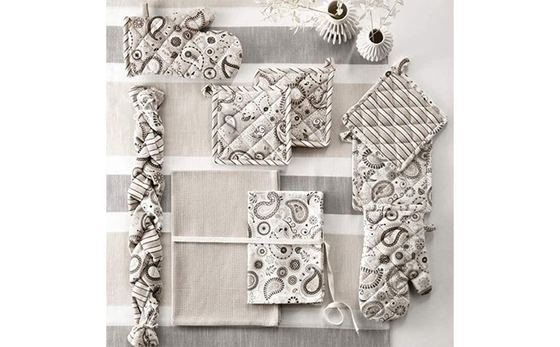
LELLA LA SPOSA ELEGANTE Bomboniere Oggettistica Complementi D'Arredo Abiti da Sposa
Lavello (PZ) · 9.4 km
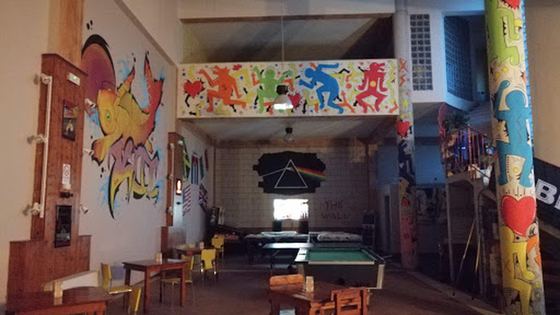
NAMASTE' COCKTAIL BAR
Rionero In Vulture (PZ) · 12.5 km
ENO' ENOGASTRONOMIA DEI PASSANTI
Melfi (PZ) · 14 km
LATTERIA DEL CORSO - DI TEDONE ALDINO
Minervino Murge (BT) · 25.8 km
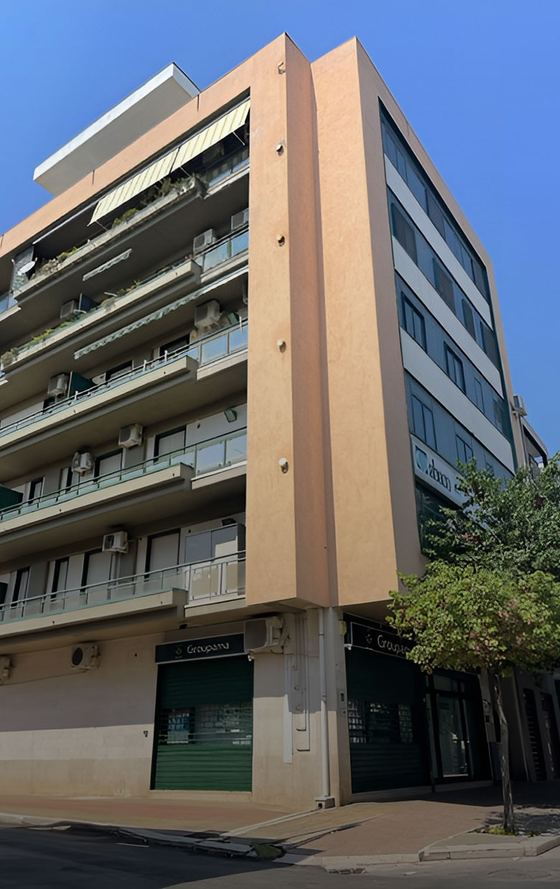
Calice Immobiliare Srl
Cerignola (FG) · 34.7 km

Cargo Srl
Potenza (PZ) · 36.6 km
