
The village of Scheggino, in the Valnerina, is one of the historic centres most closely tied to the harvest and processing of prized Umbrian black truffle, set in a landscape of exceptional quality.
Scheggino is a walled village that hugs the left bank of the Nera river, in the Umbrian stretch of the Valnerina between Spoleto and Cascia. Its medieval walls and watchtower speak of a history of borders and territorial control, but it is the surrounding landscape — the woods of Turkey oak, downy oak and hornbeam covering the Apennine slopes — that defines this place's deepest identity. Beneath that canopy, in symbiosis with tree roots, grows Tuber melanosporum, the prized black truffle, whose harvest has marked the local community's calendar for generations.
Truffle hunting in the Valnerina is neither a recent practice nor a gastronomic trend: it is a custom handed down within families, with trained dogs, woodland paths known by heart, and seasons — from December to March for the melanosporum — that dictate the rhythm of life. Scheggino, in this context, holds a position of reference in the processing and trade of the product, with a supply chain rooted firmly in local tradition. The prized Umbrian black truffle stands out for its persistent aroma and dark flesh streaked with pale veining, characteristics that distinguish it from the summer truffle and that require slow maturation under the specific soil and climate conditions of these slopes.
The cooking of Scheggino and the Valnerina treats truffle with a restraint that is itself a form of respect for the raw ingredient. Traditional preparations pair it with eggs, fresh egg pasta, and spaghetti dressed with Umbrian extra virgin olive oil: neutral settings that do not compete with the aroma but let it come through. This is not an elaborate cuisine, but one that knows its ingredients and knows when to stop.
The Valnerina territory in which Scheggino sits is partly protected by the Monti Sibillini National Park, and the environmental quality of the woods — not intensively managed, with calcareous soils and a water regime shaped by the Nera and its tributaries — contributes directly to truffle production. It is a delicate balance, in which the preservation of the landscape and the continuity of truffle hunting depend on one another: abandoned or altered woodland would mean the end of a resource that cannot be artificially cultivated with the same quality of yield.
Scheggino remains a small centre, far from Umbria's mass-tourism circuits, and this has preserved both its urban fabric and its local practices from pressures that elsewhere have turned similar products into mere scenic attractions. The prized black truffle gathered in these woods remains, above all, a food and an economy: the same thing it was for those who built those walls on the Nera centuries ago.
Albarubescens · CC BY-SA 4.0 — Wikimedia Commons
Certified Made in Italy businesses close to this place.
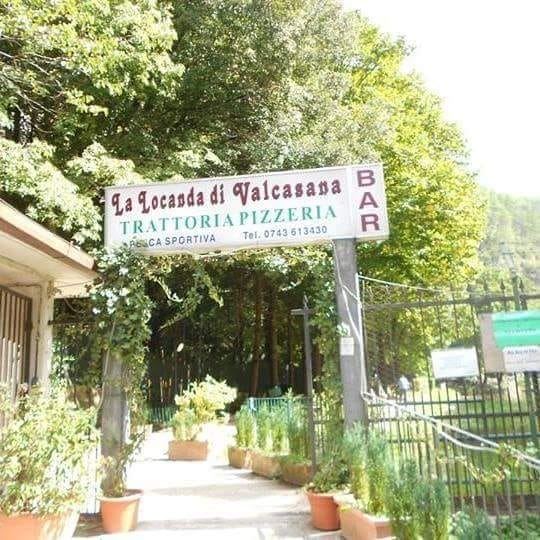
La Locanda di Valcasana
Scheggino (PG) · 3.1 km
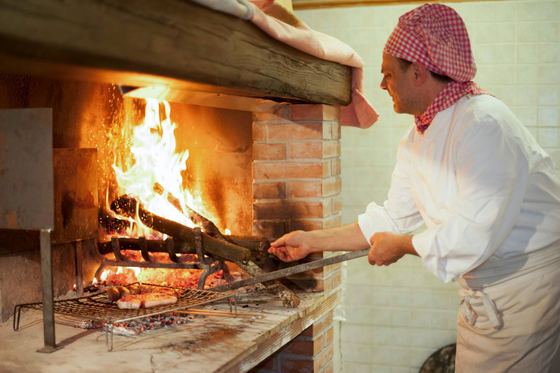
Albergo Ristorante Ferretti
Spoleto (PG) · 6.7 km
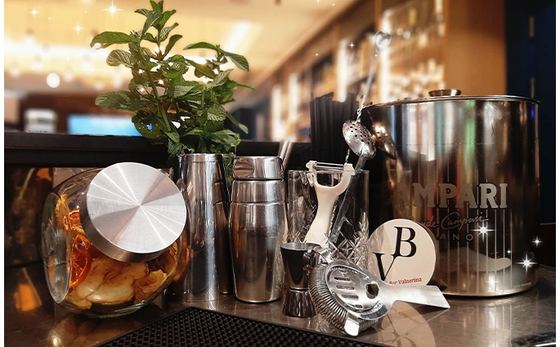
BAR SELF-RESTAURANT PIZZERIA VALNERINA Srl
Vallo di Nera (PG) · 6.8 km
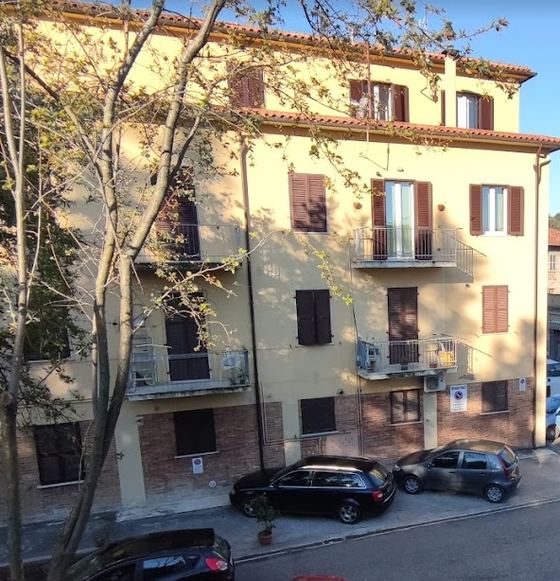
B & B LA ROCCA SPOLETO
Spoleto (PG) · 8.1 km
ANTICA TRATTORIA PECCHIARDA DAL 1903
Spoleto (PG) · 8.4 km
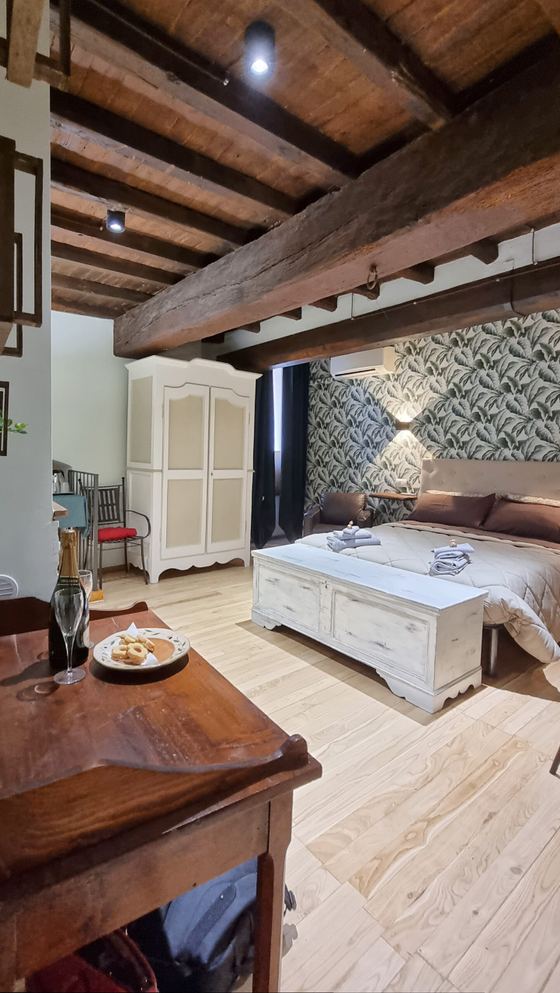
RESIDENZA DEI LONGOBARDI
Spoleto (PG) · 10.5 km
