
Morrovalle is home to a museum dedicated entirely to the art of the nativity scene, bringing together works from different traditions and cultures. A niche collection that testifies to the artisan and devotional vitality of the Marche region.
Morrovalle is a hill town in the province of Macerata that carries layers of human presence reaching back to prehistory: in the surrounding countryside a cylindrical monolith in tufo (volcanic stone) was found, bearing what is considered the oldest inscription in the entire Piceno area. The medieval borgo (historic town) preserves its old access gates, the Palazzetto del Podestà, the civic tower with its bell weighing around thirteen tonnes, the Gothic-style Palazzo Lazzarini and Palazzo Roberti. It is within this layered setting that the Museo Internazionale del Presepio (International Nativity Scene Museum) is found, on via Bonarelli near piazza San Bartolomeo: the building that houses it is the former convent of the Augustinian friars, founded in the thirteenth century, a structure that carries within its very walls a long history of religious and communal life.
The choice to house a collection dedicated to nativity scene art within a medieval convent is not without coherence. The nativity scene, in its most elementary form, is a narrative and devotional device that translates into matter — wood, terracotta, fabric, paper — a founding scene of the Christian tradition. What the Morrovalle museum documents is the plurality of forms this translation has taken across time and space: works of varied geographic and stylistic origin, showing how the same scene has been reinterpreted by hands, cultures and sensibilities far removed from one another. The international scope of the collection turns what might seem a narrow subject into a vantage point onto the popular and religious culture of many parts of the world.
Le Marche has its own artisan tradition in devotional sculpture, and the province of Macerata is very much part of it. The Morrovalle museum sits within this continuity without being confined to it: the collection looks beyond regional and Mediterranean borders, offering a comparison of techniques, materials and iconographic conventions that vary considerably from one tradition to another. What remains constant, across these differences, is the social and ritual function of the object: the nativity scene as a form of transmission, of belonging, of collective memory embodied in small-scale figures.
Avemundi · CC BY-SA 4.0 — Wikimedia Commons
Certified Made in Italy businesses close to this place.
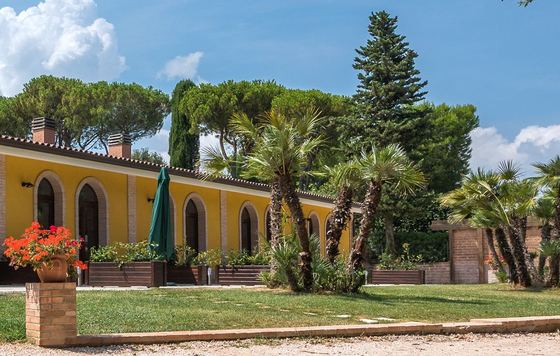
Poggio Imperiale Marche Country House
Civitanova Marche (MC) · 8.5 km
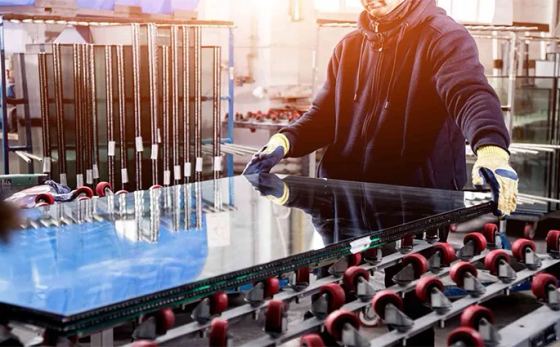
Vetreria Gorbini - Artigiani Professionisti del Vetro dal 1950
Corridonia (MC) · 9.3 km

Circo Storico Takimiri
Montegranaro Torrione (FM) · 10.3 km

EPILUX - BIOTECHNO Srl
Civitanova Marche (MC) · 10.4 km
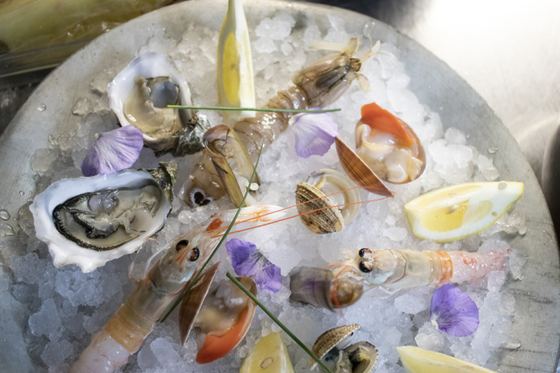
Ristorante Hotel Il Gabbiano
Civitanova Marche (MC) · 11.1 km
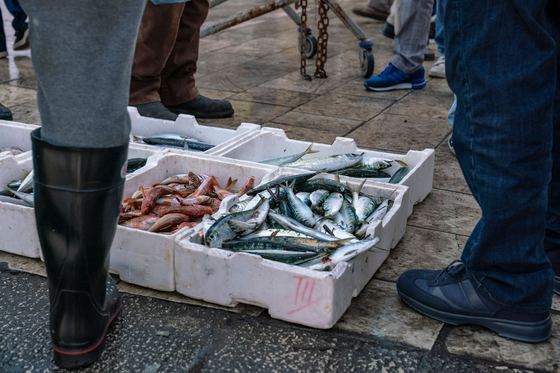
Mollica - Osteria di terra e di mare
Civitanova Marche (MC) · 12.2 km
