
A hilly area of Piedmont less frequented than Langhe, with tranquil wine landscapes and a cuisine rooted in local tradition — ideal for those seeking calm and authenticity.
The hills of Monferrato Astigiano unfold between the provinces of Asti and Alessandria according to a rolling geometry that admits no flatlands. Rows of vines follow the contour lines with a precision that seems deliberate, and the villages settle on the summits as though the terrain had deposited them there over the centuries. This territory has been recognised since 2014 as a UNESCO World Heritage Site, together with Langhe and Roero, and yet it retains a noticeably lower level of tourist traffic than those areas. The difference is felt in the pace of the roads, in the availability of tables at the trattorias, in a quiet that persists even through the summer months.
The wine-growing landscape is the structural fact of Monferrato, not a decoration. Barbera d'Asti and Grignolino are the wines that define this soil even before they define the labels: the first robust and capable of ageing, the second subtle and tannic, both expressions of a clay-rich territory that allows for no shortcuts. Wineries alternate with medieval castles along routes that follow no organised-circuit logic, but reveal themselves gradually to those who take the back roads without hurry. Asti, the provincial capital, provides the urban counterpoint, its historic centre marked by medieval towers — hence its nickname, the City of a Hundred Towers — and a civic life that has not bent itself entirely to tourism.
The cuisine of Monferrato belongs to the Piedmontese peasant tradition in its most direct form: tajarin with egg, bagna cauda (a warm anchovy and garlic dip) in the cold months, cow's-milk cheeses produced on farmsteads scattered among the smaller municipalities. The family-run trattorias still operating in these villages work with local ingredients not as a stated philosophy but simply as the continuation of a practice that has never had reason to stop. Those who sit down at these tables find a cuisine that does not introduce itself, that does not explain itself: it simply arrives.
What Monferrato offers, more rarely than elsewhere, is the chance to be within a landscape of this quality without having to share it with substantial flows of visitors. Langhe, celebrated worldwide for the white truffle of Alba and for its great Nebbiolo wines, has developed a hospitality industry that answers to international demand. Monferrato remains on the margins of that axis, and this geographic and media marginality translates into a slower, less mediated way of experiencing the place. The landscape is not fenced in by expectation.
Incola · CC BY-SA 4.0 — Wikimedia Commons
Certified Made in Italy businesses close to this place.
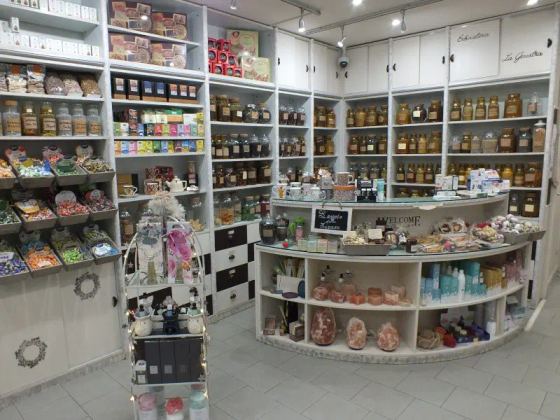
Erboristeria La Ginestra - Asti
Asti (AT) · 0.2 km
Onoranze funebri L' Astigiana
Asti (AT) · 1.8 km
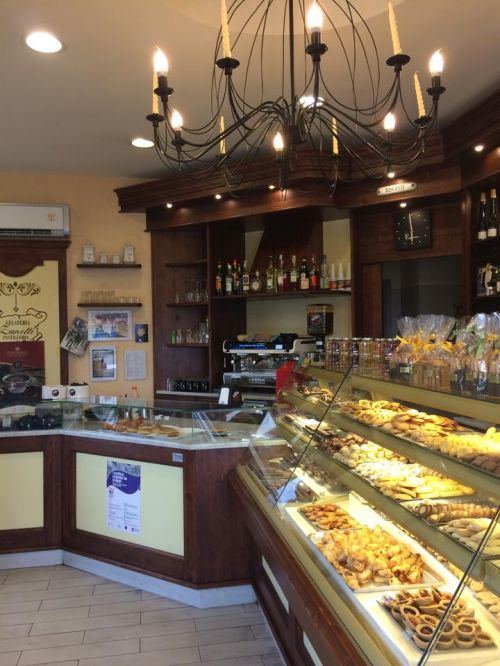
LA CASA DEL PROFITEROLE
Asti (AT) · 2.6 km

Home Restorant Cascina Casa Mia
Asti (AT) · 3.9 km
Onoranze Funebri Palma Srl - Di Palma Roberto Dal 1991
Rocchetta Tanaro (AT) · 12.2 km
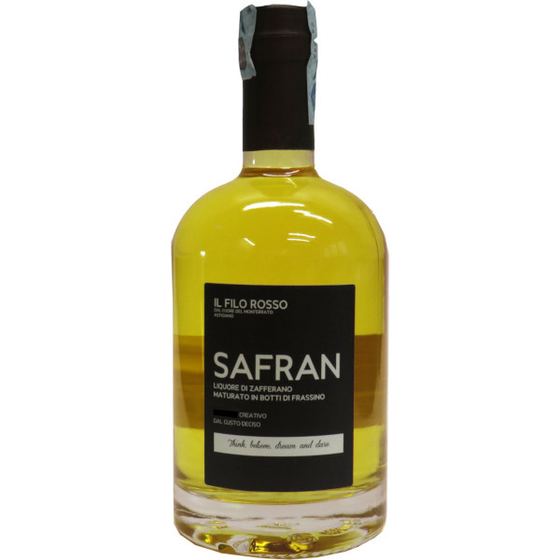
Il Filo Rosso
Villafranca D'asti (AT) · 12.9 km
