
A karst lake in the municipality of the same name in the province of Gorizia, surrounded by unspoiled nature far from the traditional tourist circuits. Its landscape, set between vine-covered hills and winding rivers, is one of the lesser-known corners of the province.
In the Gorizia Karst, at 92 metres above sea level, Lago di Doberdò occupies a geographical position that already hints at something unusual: it is one of the few Italian lakes with no surface inflows. Its water comes from underground, through resurgences and subterranean rivers that run through the limestone rock, and can disappear the same way it arrived. The water level shifts markedly with the seasons — in certain summer periods the surface shrinks drastically, exposing clay lakebeds and aquatic vegetation that normally lies submerged. This is not an anomaly but the very nature of the karst phenomenon at work: the lake is, quite literally, a temporary opening onto the hidden water network that runs beneath the Karst.
The surrounding area falls within the Riserva Naturale Regionale dei Laghi di Doberdò e Pietrarossa (Doberdò and Pietrarossa Lakes Regional Nature Reserve), a protected area safeguarding transitional environments between freshwater, reed beds and karst grasslands. Amphibian life is among its most significant presences: the rana di Lataste (Lataste's frog), *Rana latastei*, a species endemic to the Po-Venetian plain and the neighbouring karst areas, ranks among Europe's most endangered amphibians and finds here one of the few remaining habitats where it survives. The coexistence of fluctuating pools, wetlands and downy oak woodland creates an ecological layering that supports a biodiversity rarely found in an area of such limited extent.
The municipality of Doberdò del Lago carries its most ancient identity in its very name, but the landscape also bears the traces of another history. The Gorizia Karst was the setting for some of the most gruelling battles of the First World War, and the area around the lake still holds the remains of trenches, gun positions and military structures embedded in the terrain. Monte Castellazzo, reachable on foot from the village, holds traces of an earlier history still: prehistoric settlements of the castelliere type, the fortified villages of the Bronze and Iron Ages typical of this part of the eastern Adriatic. Casa Cadorna, a wartime ruin near rock faces popular with climbers, is another landmark in this layered landscape.
Doberdò del Lago remains a small municipality, off the routes that channel the main flows toward Trieste or the Collio. The nature reserve is crossed by footpaths and cycling itineraries that allow visitors to approach the shore and observe the lake's seasonal changes without invasive infrastructure. It is a place where geology still dictates the rhythm, and where the landscape changes not through human intervention but by the underground pulse of its waters.
Pas-6 · CC BY-SA 4.0 — Wikimedia Commons
Certified Made in Italy businesses close to this place.
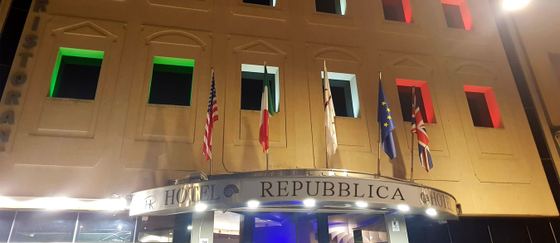
Hotel Repubblica
Monfalcone (GO) · 3.9 km

U SUSHI GORIZIA
Gorizia (GO) · 10.8 km

Trattoria Alla Posta Da Jimmy
Grado (GO) · 22.1 km
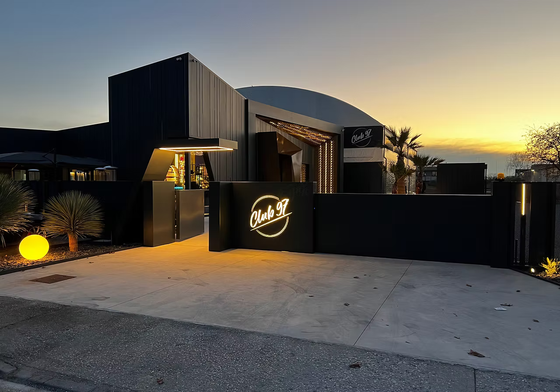
CLUB 97
Buttrio (UD) · 24.1 km
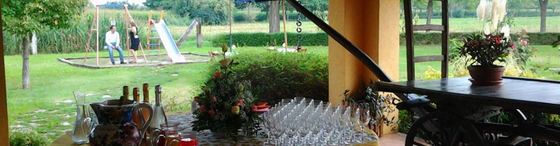
AGRITURISMO AL CJAR
Lestizza (UD) · 33.3 km

Residenza per anziani - VILLA IRIS - di PATRIZIA GANGALE E NICOLE GALLINUCCI
San Dorligo della Valle (TS) · 33.8 km
