A Calabrian fresh pasta shape, hand-rolled around a rod and traditionally paired with goat ragù in the villages of the hinterland. The age-old gesture of its making turns it into a symbol of the region's humble, identity-bearing cuisine.
In Stilo, a village perched on the slopes of the Ionian Aspromonte in the province of Reggio Calabria, cooking was never ornament. For centuries it was an answer to the land: to its scarcities, its rhythms, the pastoral logic that shaped life in the Calabrian hinterland long before written history began to record it. In this context, fileja con sugo di capra (fileja pasta with goat ragù) is not one recipe among many, but a form of material memory — the way a community turned what it had into something precise and recognisable.
Fileja is made by rolling a thin rope of dough — durum wheat semola, water, nothing else — around a slender rod called a ferretto. The gesture is simple to describe and demanding to perform: the cylinder of dough, about five centimetres long, is pressed and slid across the work surface with even pressure until it stretches and wraps itself around the tool, forming a hollow core that will later hold the sauce during cooking. Each piece is then slipped off and laid out on a floured cloth. Italy's Ministry of Agriculture, Food Sovereignty and Forestry has listed maccheroni al sugo di capra among Calabria's Traditional Agri-Food Products, recognising in this pairing a gastronomic heritage rooted especially in the territory facing the Ionian Sea.
The goat ragù takes time. The meat, intense and gamey in flavour, is first deglazed with white wine and left to simmer to soften its sharper edge, then added to a base of extra virgin olive oil, onion and bay leaf and cooked slowly for two hours or more. Tradition calls for this cooking to take place in terracotta vessels — the tiana, or tianeja as it is known in the provinces of Reggio Calabria — which distribute heat evenly and hold the aromas without letting them escape. The result is a dark, dense sauce that settles into the hollows of the fileja with almost mechanical precision.
The spread that precedes this first course tells the same territory through other means: aged pecorino, sun-dried tomatoes preserved in oil, soppressata made from pork, and cumbitè olives in brine. These are products born of the same economy of preservation, the same need to make lasting what the season offers in abundance. The starter is not a decorative prologue but a map of the agricultural and pastoral landscape surrounding Stilo — hills, flocks, kitchen gardens, pigs raised in courtyards.
What sets fileja con sugo di capra apart from many other regional dishes is the internal coherence between technique, ingredient and context. Nothing here lacks justification in the history of the place. The ferretto is a humble tool, available to anyone. The goat was the animal of difficult terrain, able to feed where sheep struggle. Slow cooking in terracotta requires no specialised equipment. Everything converges toward a cuisine that never sought refinement but found, over time, a complete form of its own.
Certified Made in Italy businesses close to this place.
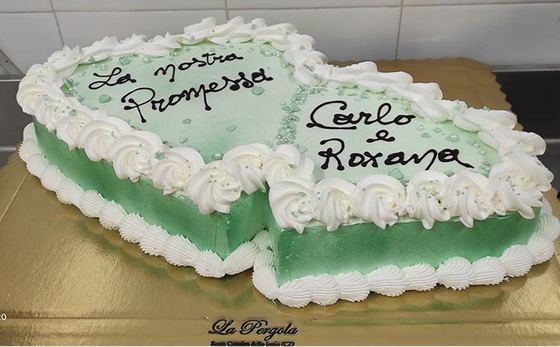
LA PERGOLA Bar Pasticceria Gelateria
Santa Caterina dello Ionio (CZ) · 10.9 km
L'OFFICINA DEL GUSTO
Marina di Gioiosa Ionica (RC) · 23 km
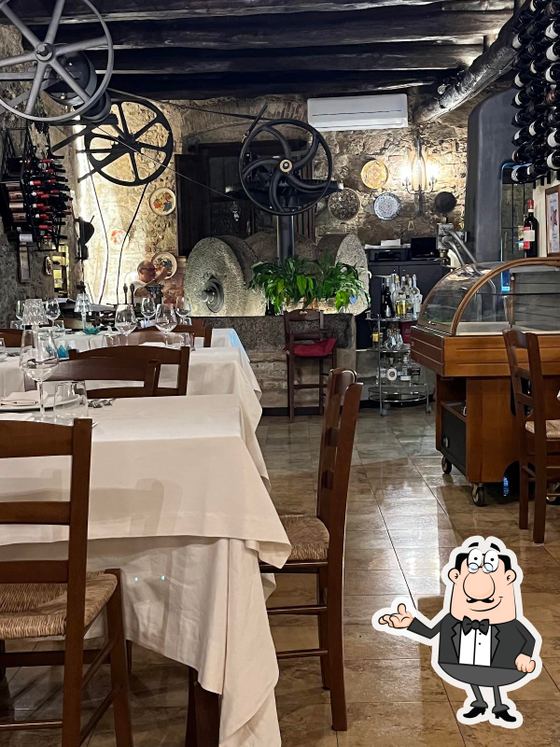
OSTERIA IL FRANTOIO
Soverato (CZ) · 24.2 km
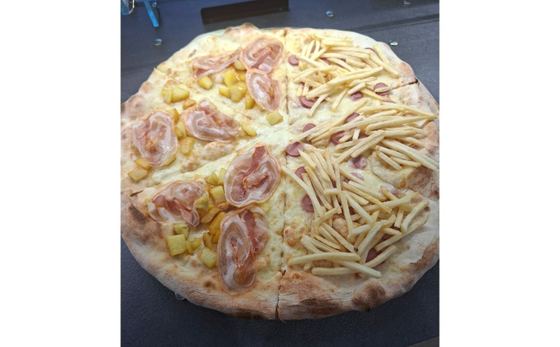
L'ANGOLO DELLA PIZZA
Soverato Marina (CZ) · 24.7 km
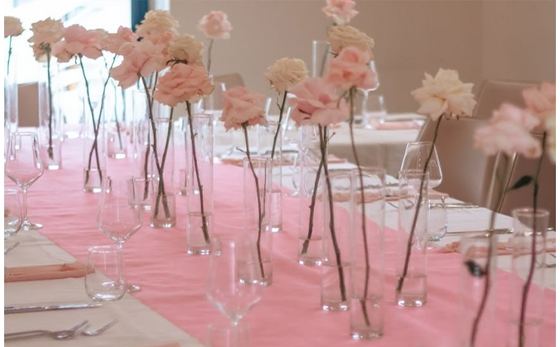
FIORI E PASSIONE DI CUPRI MARIA
Siderno (RC) · 24.8 km
Rovilat
San Vito Sullo Ionio (CZ) · 26.2 km
