
Deruta is Umbria's foremost centre of traditional ceramics, with production documented since the Middle Ages that has given rise to a decorative style recognised the world over.
Deruta rises on a hill overlooking the Tiber valley, in the province of Perugia, and its name descends from the Latin *diruta* — "destroyed", "ruined" — a linguistic legacy that recalls the devastation suffered in 40 BC, when the people of Perugia, fleeing the fire that consumed their city, took refuge on these heights. From that fragmented past a compact town grew over the centuries, a member of the network of Italy's most beautiful villages (Borghi più belli d'Italia), whose medieval profile can still be read in the three gates leading into the historic centre — Porta Perugina, Porta Tuderte and a third opening to the south — and in the palazzi that line the streets of the old town.
Ceramic production is documented in Deruta at least since the Middle Ages, but it was between the fifteenth and sixteenth centuries that local workshops developed the techniques that still define the character of the place today: tin-glazed maiolica and, in particular, metallic lustre, a process that involves applying silver- and copper-based compounds to the already glazed and fired surface, followed by a second firing in a reducing atmosphere. The result is a shifting, golden or coppery sheen that sets Deruta's pieces apart from any other Italian ceramic tradition. The recurring decorative motifs — floral scrolls, geometric figures, Renaissance grotesques, sacred imagery — are not arbitrary ornaments but a visual vocabulary settled over time, passed from workshop to workshop with variations that reveal the period and the hand of the individual craftsman.
The Regional Museum of Ceramics, housed in the former convent of San Francesco in the historic centre, brings together pieces spanning several centuries and allows visitors to trace the formal and technical evolution of local production. The church of San Francesco, dating back to the fourteenth century, preserves frescoes that testify to how religious patronage long intertwined its history with that of the town's ceramic manufactures. Along the ceramists' staircase and the main streets, workshops display finished pieces alongside the studios where the work is still done by hand, from the wheel to brush decoration.
What sets Deruta apart from many other Italian craft centres is not only the continuity of the technique, but the density with which this practice has shaped the town's collective identity. Here, ceramics is not a residual or folkloric activity: it is the economic and cultural structure around which the town has built its recognisability over more than five centuries, to the point that Deruta's name has become, in many parts of the world, synonymous with Italian maiolica.
Bultro · CC BY-SA 4.0 — Wikimedia Commons
Certified Made in Italy businesses close to this place.
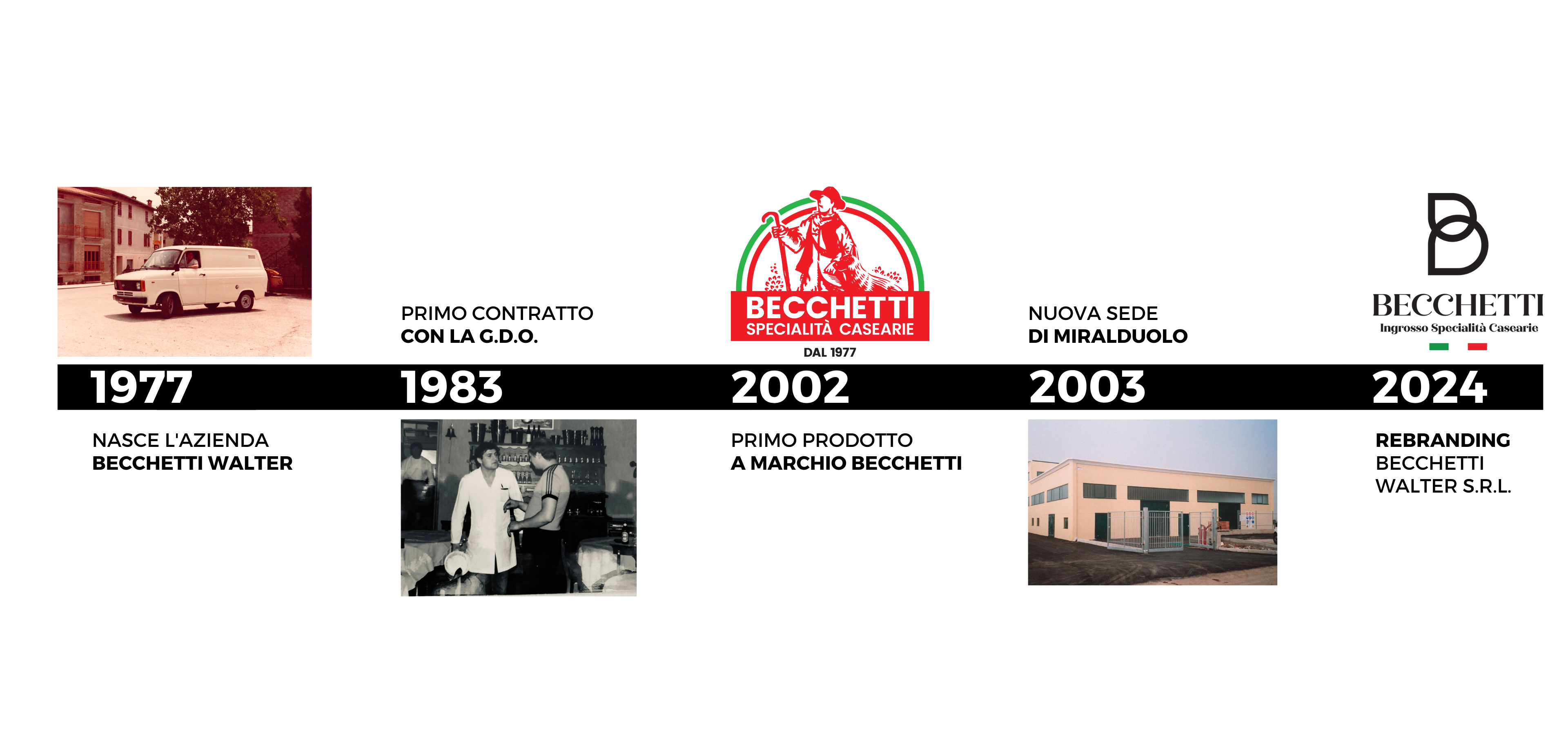
Becchetti Walter Srl - Specialità Casearie Dal 1977
Torgiano (PG) · 6.3 km
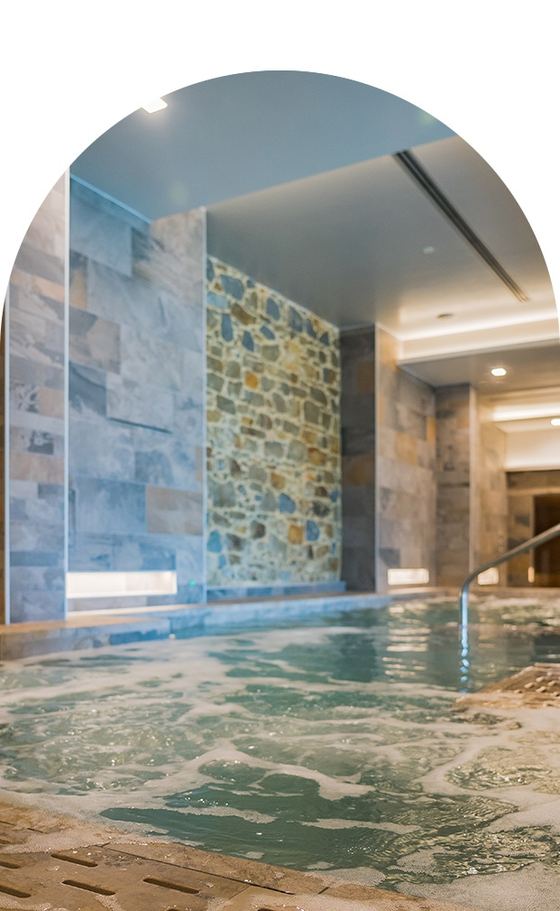
LE CAPPUCCINELLE SUITES & SpA
Perugia (PG) · 9.5 km
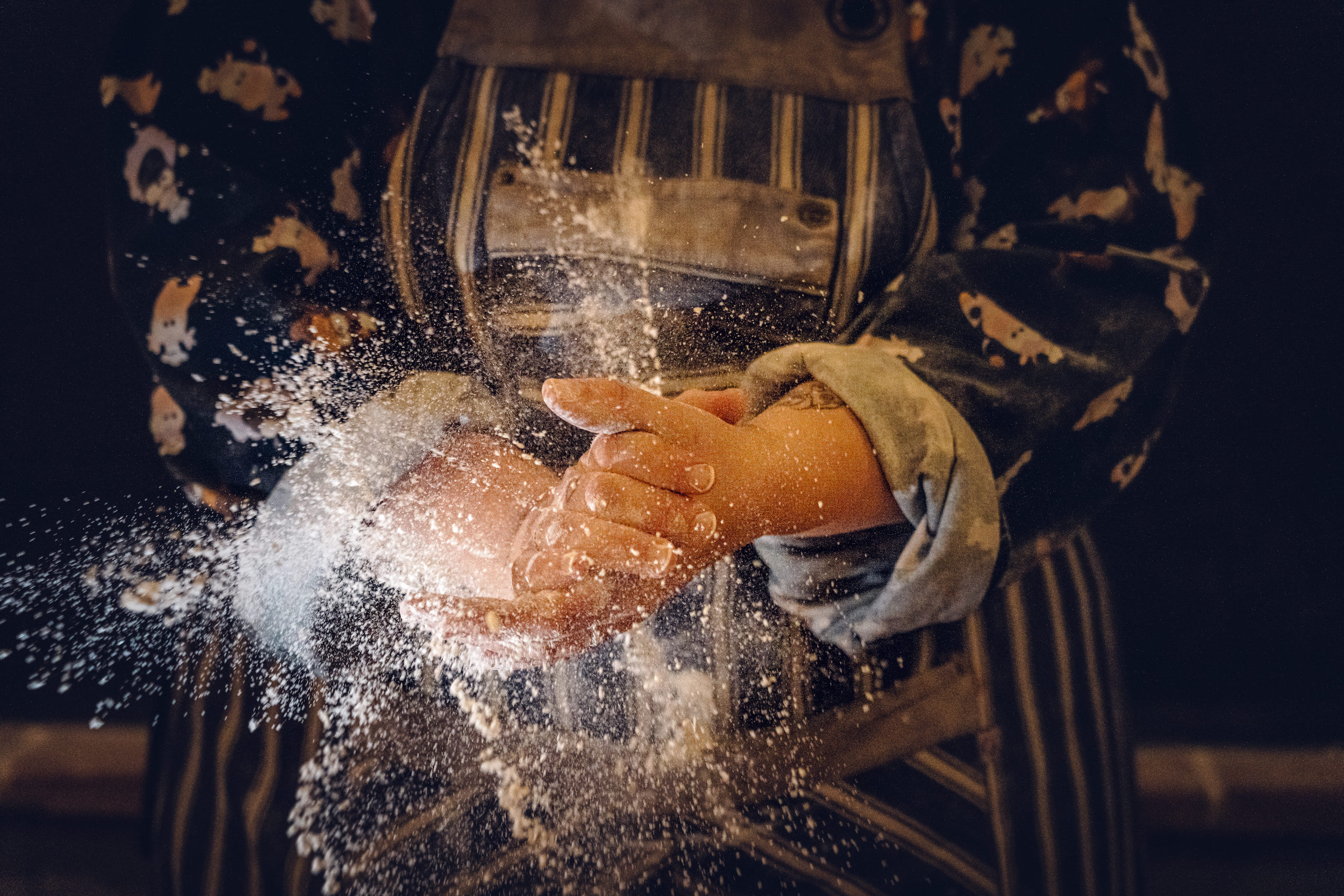
IL VICOLETTO DEL GUSTO PIZZERIA
Bevagna (PG) · 10.4 km
RISTORANTE PIZZERIA VIDA LOCA
Cerreto (PG) · 10.5 km
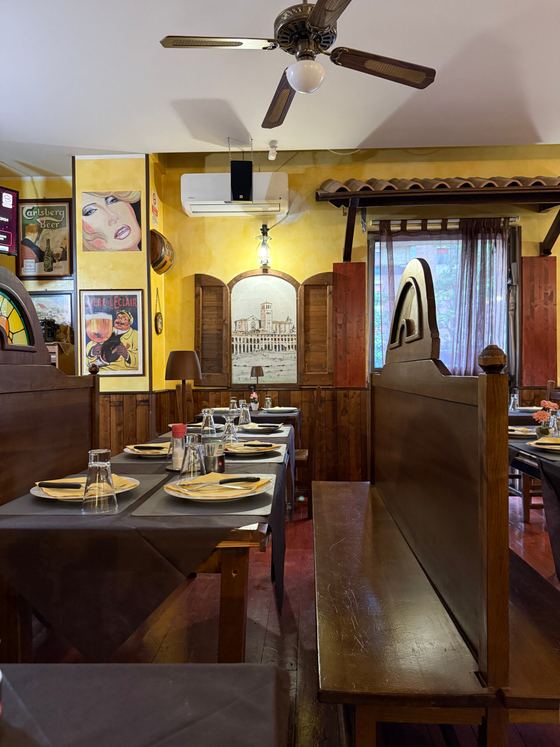
BRACERIA LA TORRE
Ponte San Giovanni (PG) · 12.3 km
TAGLIATI X IL SUCCESSO PERUGIA
Perugia (PG) · 12.7 km
