
Squillace is one of Calabria's two capitals of artistic ceramics, with workshops in the medieval village beneath the Castello Normanno producing forms tied to archaic meanings and local tradition.
Squillace stands at roughly 350 metres above sea level, on the Ionian side of Calabria, between the Alessi and Ghetterello streams, overlooking the gulf that bears its name along the Costa degli Aranci. The upper village retains its medieval structure almost intact, with the Castello Normanno (Norman Castle) occupying the highest point and houses clustered tightly around sloping alleys. It is within this fabric that artistic ceramics has found, over the centuries, its natural home: not as an ornament to the landscape, but as a practice rooted in the life of the place.
The ceramic tradition of Squillace is distinct from that of the other Calabrian capital of the craft, Seminara, in both style and iconographic repertoire. While Seminara developed a production recognisable above all for its apotropaic figures tied to popular cult, Squillace shaped forms and decorations that draw on an imagery bound more closely to the layered history of the territory: a land that was once a Greek colony under the name of Skylletion, then Roman Scolacium, then a medieval seat and birthplace of Magnus Aurelius Cassiodorus, the senator and man of letters who in the 6th century described the village as a cluster of grapes sloping gently down to the sea. This historical density has left traces in the visual language of the ceramicists, who work on traditional forms in which archaic symbolism is never entirely separate from the memory of the place.
The workshops active in the historic centre still produce today according to artisanal techniques handed down locally. The pieces — jugs, plates, amphorae, figures — bear geometric and zoomorphic decorations that recall ancient repertoires, reworked without giving in to the uniformity of the souvenir trade. Squillace ceramics never achieved the commercial reach of other, better-known regional productions, and this has preserved a certain internal coherence of style, keeping the ceramicists' work anchored to a local clientele and to connoisseurs rather than to the mass market.
The physical setting of the village helps define the character of the production. Walking among the workshops means passing through the same alleys from which the gulf can be seen below and the Serre calabresi in the background. The Castello Normanno, partially restored, dominates the scene from above. Here, ceramics is not an attraction separate from the place: it is part of the same substance the village is made of — clay and stone, form and function, memory and a gesture repeated.
M&A · CC BY-SA 4.0 — Wikimedia Commons
Certified Made in Italy businesses close to this place.
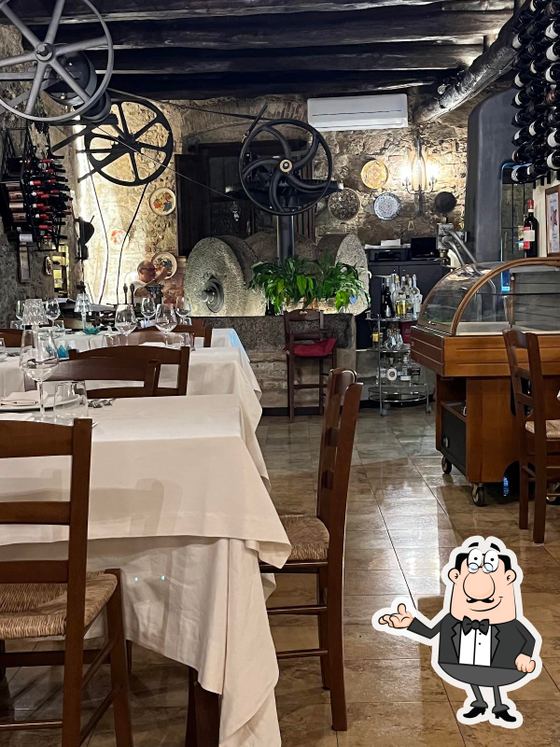
OSTERIA IL FRANTOIO
Soverato (CZ) · 10.3 km
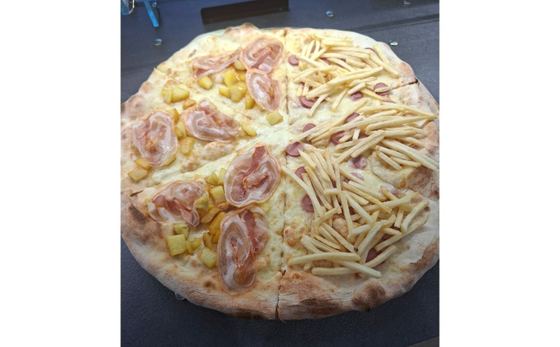
L'ANGOLO DELLA PIZZA
Soverato Marina (CZ) · 10.6 km
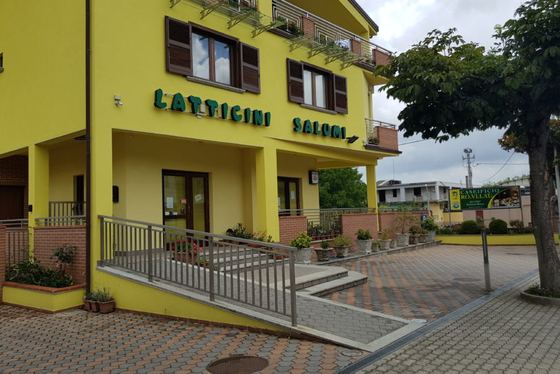
Rovilat
San Vito Sullo Ionio (CZ) · 12.1 km
VECCHIA CATANZARO Trattoria Tipica - Pizzeria Forno a Legna
Catanzaro (CZ) · 15.7 km
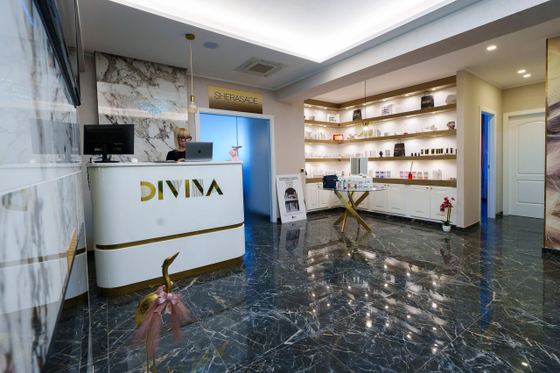
Divina Istituto di Bellezza
Catanzaro (CZ) · 15.9 km
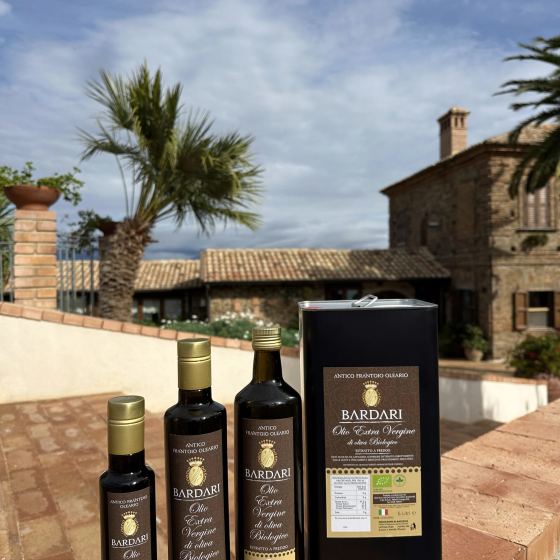
Antico Frantoio Bardari
Curinga (CZ) · 21.3 km
