
Small stone buildings carved into the mountainside in the hamlet of Megolo, Pieve Vergonte, historically used for storing wine at altitude.
In the hamlet of Megolo, which unfolds across its three parts — Megolo di Fondo, Megolo di Mezzo and Megolo di Cima — along the slope of the Val d'Ossola in the municipality of Pieve Vergonte, in the province of Verbano-Cusio-Ossola, a system of stone constructions survives that local tradition calls cantinitt (little cellars). The name is already a summary: small cellars, in the diminutive, as if to reduce their presence in the landscape. Yet these structures, carved directly into the mountainside or built against the bare rock with dry-stone walls, constitute one of the most coherent testimonies of Alpine rural architecture in the Ossola valley.
The logic governing them is elementary in conception and refined in execution. At that altitude and in that position, the rock maintains a nearly constant temperature throughout the year, oscillating within a narrow range that protects liquids from uncontrolled fermentation and summer heat. The communities living in these hamlets stored their wine there — in particular Prunent, an autochthonous red grape variety of the Ossola valley, grown on the terraces of the lower valley — making use of what geology offered without any mechanical intervention. Access is through small lintelled openings, sized to the bare minimum, which limit heat exchange with the outside.
From a constructive standpoint, the cantinitt combine natural rock with local stone masonry, often without binder or with lean mortar, following techniques handed down over generations and adapted to the specific features of the terrain. These are not isolated structures but a widespread system, distributed through the fabric of the hamlet so that each family could have its own storage space close to the settlement. This proximity distinguishes the cantinitt of Megolo from the better-known ice houses or valley-floor storage sites: they are an integral part of the village's daily life, not peripheral infrastructure.
The Regional Landscape Plan of Piedmont has recognised these structures as elements of rural archaeology worthy of protection, including them among the testimonies of the historic Alpine agrarian landscape. Formal recognition, however, has not changed the material condition of the site, which remains in a variable state of preservation, with some structures still intact and others marked by time and by the progressive abandonment of the mountain winemaking practices that justified their use.
Megolo and its cantinitt thus occupy a border zone between living memory and historical document. Ossola viticulture, though reduced compared to past centuries, has not entirely disappeared, and Prunent continues to be vinified by a few local farms, keeping alive the bond between the territory and its practices. Within this context, the cantinitt remain a privileged vantage point on how Alpine communities were able to read the land and translate its features into long-lasting constructive solutions.
Paolo Monti · CC BY-SA 4.0 — Wikimedia Commons
Certified Made in Italy businesses close to this place.
Macelleria Simonetta
Beura Cardezza (VB) · 10.3 km
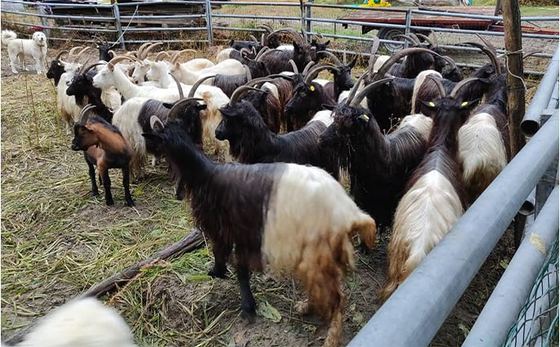
Azienda Agricola ''La Ghiviola'' Di Ragozzi Agnese
Vocca (VC) · about 20 km
Riva Lake Verbania - Food&Drink
Pallanza (VB) · 22.9 km
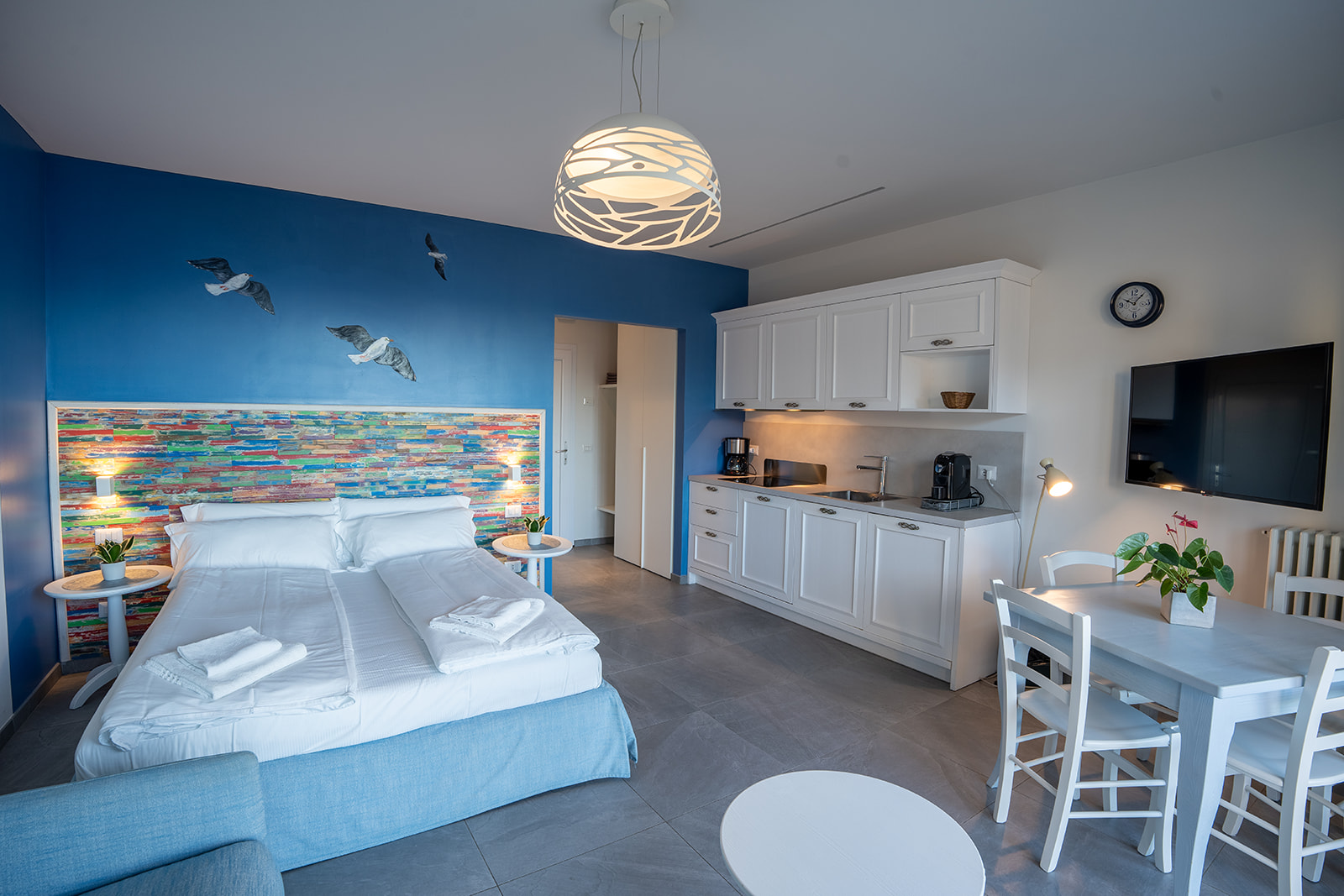
RISTORANTE RESIDENCE USIGNOLO
Trarego Viggiona (VB) · 24.8 km

Parnisari Arms Srl
Lesa (NO) · 27.8 km
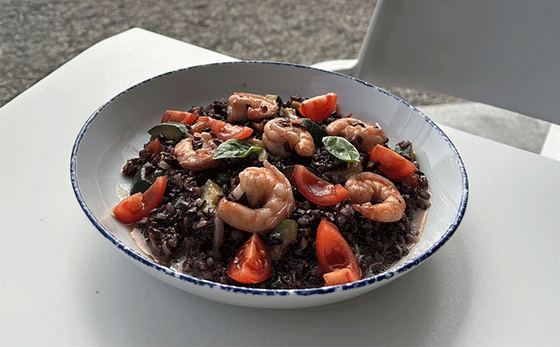
LUMA LOUNGE BEACH BAR CHEF SALVATORE BORRELLI
Cannero Riviera (VB) · about 31 km
