
A group of twenty municipalities across Alessandria, Biella, Novara and Vercelli, united for the first time under a single enological candidacy, giving value to a wine heritage often overlooked compared to Langhe and Monferrato.
Across the provinces of Alessandria, Biella, Novara and Vercelli lies a wine-growing territory that has built its identity away from the more frequented circuits of Piedmontese enology. Twenty municipalities, united by volcanic and morainic soils, by vineyards climbing the pre-Alpine slopes, and by a winemaking tradition that predates the formalization of modern denominations by centuries, shared in 2024 the title of Città Europea del Vino (European Wine City) — the recognition awarded annually by the European association Città del Vino to territories that demonstrate coherence between wine heritage, rural landscape and cultural vision.
The candidacy brought together, under a single institutional framework, geographically distinct but enologically related realities. Ghemme, in the Novara area, bears the name of one of the longest-standing DOCGs of northern Piedmont, built on Nebbiolo vinified in purity — here called Spanna — with aging periods that require years before the wine reaches balance. Gattinara, in the Vercelli area, shares the same grape variety and the same patience, on volcanic-origin soils that lend the wines a recognizable minerality. Further south, Gran Monferrato contributes its Alessandria denominations, in a dialogue between zones that had rarely found occasion to present themselves together. Piedmont counts 17 DOCGs and 41 DOCs overall, and a significant share of this heritage belongs precisely to the provinces that make up this macro-region.
The 2024 program opened on March 1st in Acqui Terme and moved through the twenty municipalities until the closing ceremony, held between October 25th and 27th, with the handover to the city designated for the following year. Over the course of the months, the recognition worked as a catalyst for wine and food itineraries connecting cellars, villages and rural landscapes otherwise fragmented into local offerings lacking coordination. The logic of the macro-region — unusual for a territory accustomed to thinking in terms of individual towns — imposed a shared narrative, one that relates the table to the vineyard and the vineyard to the landscape that contains it.
What this recognition has made more legible is a stratification that already existed: that of an area where viticulture was never abandoned, even in the decades when Langhe and southern Monferrato monopolized the attention of international critics. The wines of Alto Piemonte have continued to be produced, often by small-scale cellars, with grapes harvested on vineyard surfaces that mechanization has reached only in part. This quiet continuity is today one of the strongest arguments the territory carries with it.
Alessandro Vecchi · CC BY-SA 3.0 — Wikimedia Commons
Certified Made in Italy businesses close to this place.
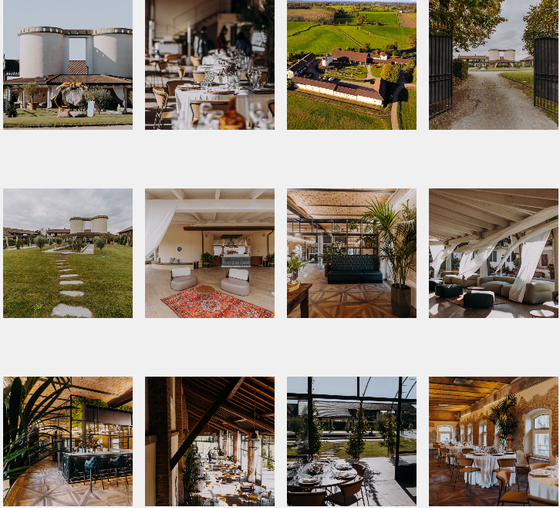
Trattoria Gufo Nero
Ghemme (NO) · 1.1 km
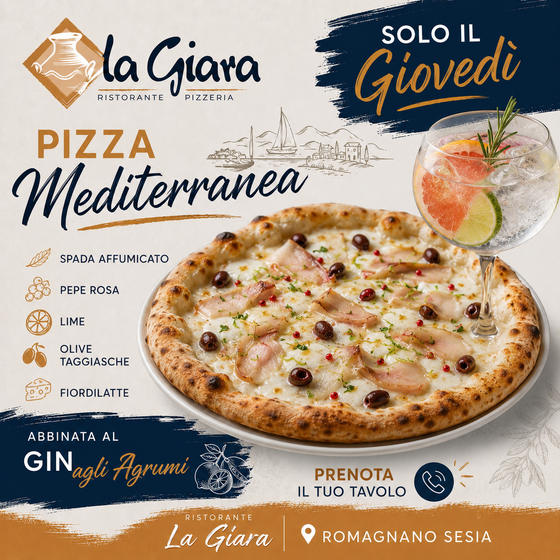
RISTORANTE PIZZERIA LA GIARA
Romagnano Sesia (NO) · 2.2 km

Coccoliamoci Lentamente di Roberta Toscano
Lenta (VC) · 5.6 km
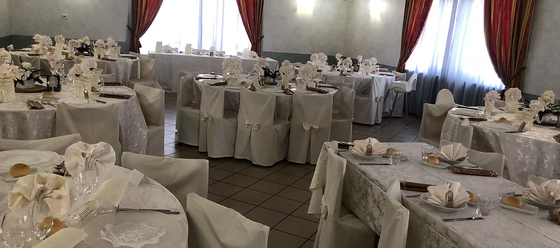
Ristorante Aquila Nera
Arborio (VC) · 10.2 km
Simonotti Franco Costruzioni Srl
Gattico Veruno (NO) · 13.9 km
LE PAPERELLE AGRITURISMO
Oleggio (NO) · 14.8 km
