
DOP cured meat from the Pesaro hinterland, among the oldest and most prized in Marche, made through artisan methods handed down over the centuries in the village of Carpegna.
Carpegna is a village of just over a thousand inhabitants set in the upper Montefeltro, in the province of Pesaro e Urbino, on the border between Marche, Emilia-Romagna and Tuscany. The territory lies within the Parco Naturale del Sasso Simone e Simoncello (Sasso Simone e Simoncello Nature Park), a limestone plateau that shapes precise climatic conditions: winds descending from the Apennines, marked temperature swings, controlled humidity. It is within this geographic frame that prosciutto production found, over the centuries, the conditions to consolidate itself as a practice of identity even before an economic one.
The first documented record dates back to 1463, when Malatesta Novello, lord of Cesena, ceded the Cervia salt works to the Republic of Venice while retaining the right to use the salt for curing pig legs. The detail is not marginal: it reveals how structured the production already was, to the point of appearing in an act of political and commercial significance. From that date onward, the process has been handed down through artisan practices that the standard of the Protected Designation of Origin — recognised by the European Union — later codified without altering its nature.
Prosciutto di Carpegna DOP is one of five products from Marche to bear this certification. The standard establishes that the legs must come from pigs born and raised in Lombardy, Emilia-Romagna and Marche, but that the processing — from salting to curing — must take place exclusively in the municipality of Carpegna. Curing lasts at least thirteen months. During this period, the local microclimate acts on the product in a way that no reproduction elsewhere could faithfully replicate: the air circulating among the heights of the Sasso Simone dries and flavours the meat on its own timescale, one that cannot be hurried.
The result is a prosciutto with a vivid red slice, marked by a vein of white fat that is not decoration but an integral part of its aromatic profile. The flavour is sweet, with a restrained saltiness that sets it apart from other, better-known Italian cured hams. This balance is partly a consequence of the salting technique, traditionally sparing in its use of sea salt, and partly the effect of the long maturation, which develops complexity without resorting to external corrections.
Carpegna remains a territory largely untouched by ordinary tourist flows. Its economy is quiet, built on short supply chains and on an awareness of place that has never sought media amplification. The Consorzio del Prosciutto di Carpegna DOP (Prosciutto di Carpegna DOP Consortium) now protects the producers and oversees correct application of the standard, keeping alive a designation that belongs to one of the most unspoiled inland areas of the central Apennines. In this sense, the prosciutto is not merely a food product: it is the concrete form in which a territory has chosen to make itself recognisable.
Maddy16869 · CC BY-SA 4.0 — Wikimedia Commons
Certified Made in Italy businesses close to this place.
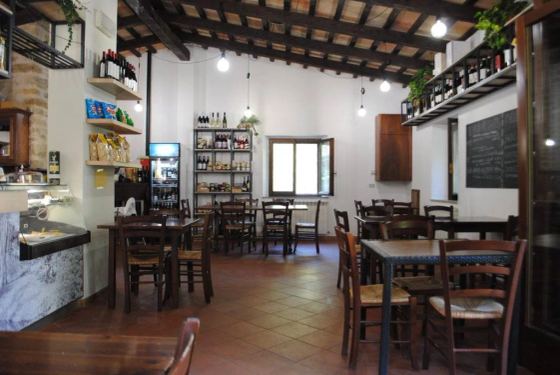
Mulino DiVINO
Frontino (PU) · 3.7 km
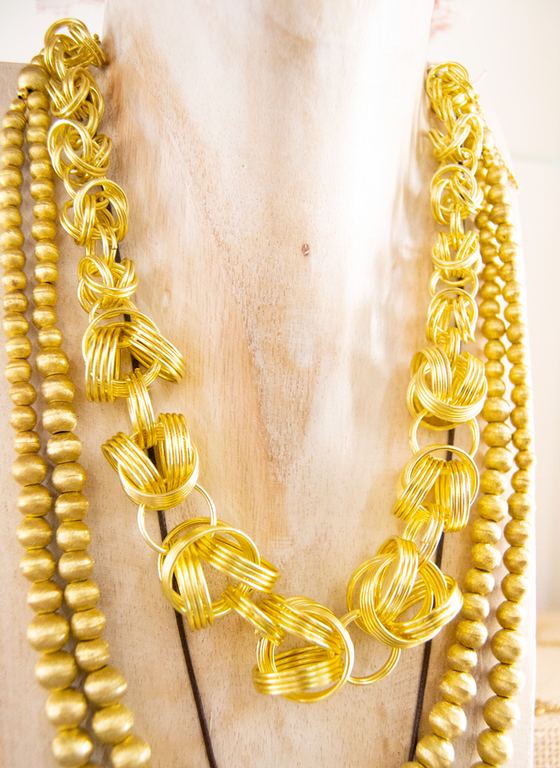
Zingarella
Città di San Marino (SM) · 19.4 km
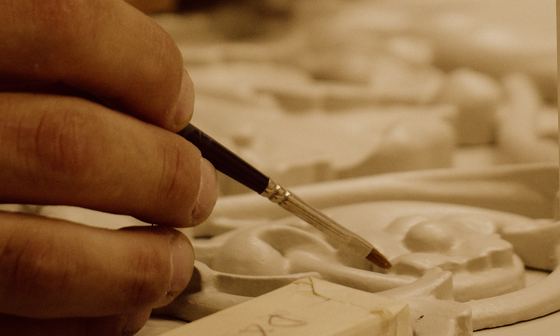
VERTAGLIA INFISSI SpA
Santarcangelo di Romagna (RN) · 29.6 km
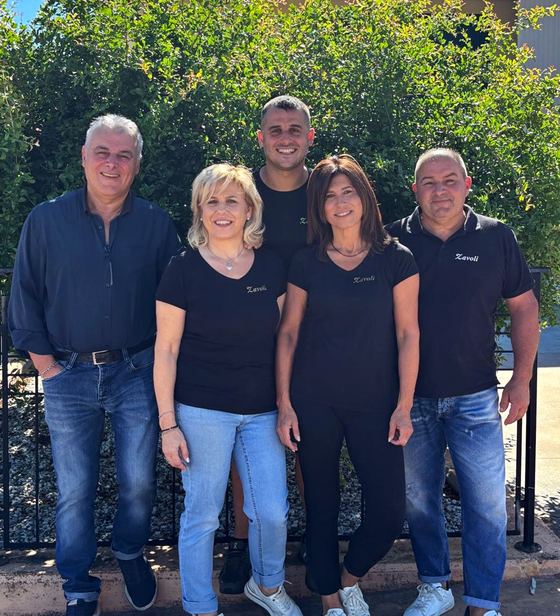
Società Agricola Zavoli S.s
Poggio Berni (RN) · 30.5 km
Settimo Senso® Riccione Specialisti in Rimodellamento Corporeo
Riccione (RN) · 32.3 km

BENEDETTINI AUTO di Gianni Benedettini
Santarcangelo di Romagna (RN) · 32.8 km
