
Short buckwheat pasta from Valtellina, documented since the fourteenth century and now protected by the IGP mark, a direct expression of the mountain farming landscape where buckwheat was a subsistence crop.
Teglio sits on the Rhaetian slope of Valtellina at an altitude that lets it look over the entire valley without quite belonging to it. From this elevated position, the village has for centuries governed an agricultural landscape built on scarcity: poor soils, steep slopes, long winters. It is in this context that buckwheat found its place, not by choice but by necessity, adapting to altitudes and conditions that excluded almost every other grain crop.
The first written reference to pizzoccheri dates to 1548, in the work of Ortensio Landi titled *Catalogo dell'inventario delle cose che si mangiano* (Catalogue of the inventory of things that are eaten), where they appear under the name *pinzocheri*. In the local dialect, the term denoted people of little account, of modest standing — a label that reflects the peasant origin of the dish more than any real marginality. Buckwheat had already been in use in Valtellina since the fourteenth century, likely introduced via Alpine trade routes, and it quickly became the staple of mountain communities. Teglio was its main production centre, so much so that even today, in the summer months, the flowering fields tint the terraces around the village a pale pink-white, and the Menaglio mill preserves the memory of a process of transformation that for centuries took place on a domestic scale.
The recipe codified by the IGP standard — the recognition obtained in 2016, the most recent for the province of Sondrio — calls for a short, flat pasta made of at least seventy percent buckwheat flour, completed with wheat flour. It is cooked in water together with savoy cabbage and potatoes; the dressing is melted butter, garlic and Valtellina Casera DOP cheese, with the optional addition of Grana Padano. Every element has a precise origin in the territory: cabbage and potato were the vegetables alpine families kept in store, butter and Casera the products of the seasonal mountain dairies. The dish is not an arbitrary assembly but the direct transcription of a subsistence economy.
European recognition imposed a traceable supply chain and fixed production parameters that had previously been left to oral transmission. The Accademia del Pizzocchero di Teglio (Pizzocchero Academy of Teglio), founded in 1998, had already begun this work of documentation and standardisation, gathering local variants and defining the reference recipe. The tension between codification and domestic variation is still present: every family in Teglio keeps small differences in proportion or technique that the standard cannot, and probably does not intend to, eliminate. The IGP mark protects the commercial product; oral memory continues to circulate by other means.
Teglio also carries another, often overlooked, layer of history: according to scholars, the name Valtellina derives from the Latin curial term *Vallis Tellina*, meaning valley of Teglio. The village would thus have given its name to the entire valley even before becoming its gastronomic symbol. This double precedence — toponymic and culinary — places Teglio in a position that goes beyond the simple geographic localisation of a typical product, and gives buckwheat and its derivatives a depth that the IGP label alone does not exhaust.
Arnaldo Zitti · CC BY 2.5 — Wikimedia Commons
Certified Made in Italy businesses close to this place.
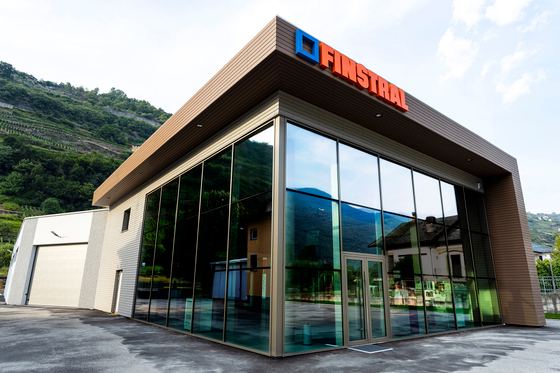
Serramenti Palotti SpA
Teglio (SO) · 1.9 km
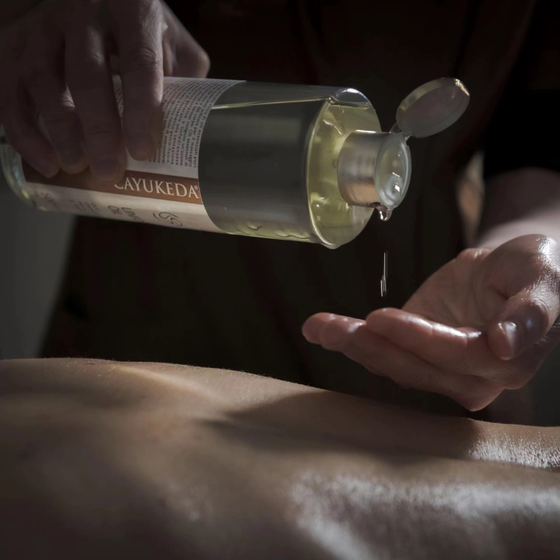
Esteticamente Noe
Albosaggia (SO) · 14 km
LA FENICE - Estetica Avanzata e Dermopigmentazione
Sondrio (SO) · 15.9 km
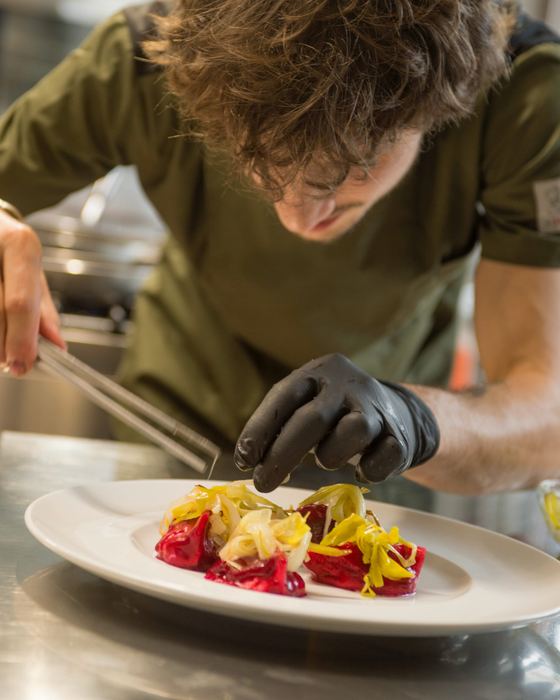
Ristorante San Marco
Schilpario (BG) · 19.5 km
CIMETTI ADRIANO Outdoor Experience
Grosio (SO) · 22.2 km
