
An intimate Montefeltro village within the Parco Naturale del Sasso Simone e Simoncello, overlooking the Mutino river valley with Monte Carpegna dominating the landscape. It offers a secluded atmosphere far from the more frequented circuits.
Frontino is the smallest municipality in the province of Pesaro e Urbino. A few hundred residents, a limestone spur descending toward the Mutino valley, the profile of Monte Carpegna closing the horizon to the north. The village belongs to the Parco Naturale Regionale del Sasso Simone e Simoncello (Sasso Simone and Simoncello Regional Natural Park), a protected area named after two tabular sandstone formations — the Sasso Simone and the Simoncello — that rise from the Apennine landscape with an almost artificial geometry, like plateaus suspended in mid-air. This corner of the Montefeltro, between the provinces of Pesaro-Urbino and Arezzo, remains distant from the region's more travelled routes, while preserving a layered history and natural heritage of real significance.
The castle of Frontino retains its medieval layout: streets paved with pebbles from the Mutino, the Torre civica (civic tower) and the Torrione (keep) still marking the boundaries of the old walls. Nearby, the Franciscan convent of Montefiorentino — among the largest in the Marche — houses the chapel of the Conti Oliva, an example of Renaissance noble patronage in a setting that has remained largely untouched. The mill at Ponte Vecchio, recently restored, is now home to the Museo del pane (Bread Museum). More unusual is the presence of the Museo Franco Assetto, dedicated to the Turin-born artist regarded as a forerunner of Italian pop art, who also gave the village a fountain in the square to the north: an incongruous presence given the geography, and one that says something about these places' capacity to draw unexpected connections.
The park surrounding Frontino covers roughly 4,800 hectares of Turkey oak and downy oak woodland, upland grasslands and rocky outcrops. The two Sassi — Simone and Simoncello — rise to 1,204 and 1,221 metres respectively and form the most recognisable feature of the entire area. A network of trails leads to the summits and along the ridges, where the vegetation thins and the landscape opens toward the Valmarecchia and, on clear days, toward the Adriatic coast. At Pian dei Prati, a wildlife park presents the animal species typical of the central Apennines. Black truffle grows in the woods of the area, and Bustreng — a traditional dessert made with eggs and milk — belongs to the local cuisine with a continuity that traces back to the peasant kitchens of the Montefeltro.
Frontino is recognised among the Borghi più belli d'Italia (Italy's Most Beautiful Villages) and has received the Bandiera Arancione (Orange Flag) certification from the Touring Club Italiano. These recognitions register a widespread quality in both the built and natural environment, without the village having undergone significant transformation linked to mass tourism. The road climbing up from Carpegna or Pietrarubbia crosses wooded slopes without encountering any major infrastructure: the territory still presents itself in the terms defined by geology and, above it, the minor history of a Montefeltro that does not coincide with Urbino.
Toni Pecoraro · Public domain — Wikimedia Commons
Certified Made in Italy businesses close to this place.
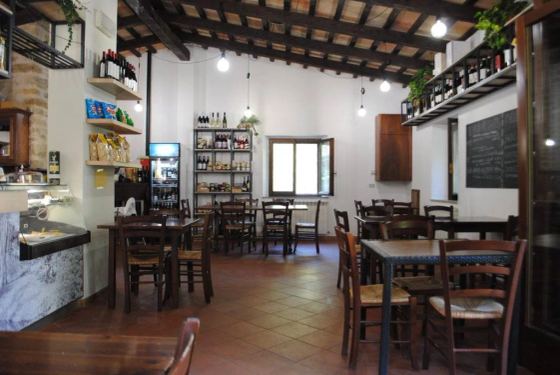
Mulino DiVINO
Frontino (PU) · 0.2 km
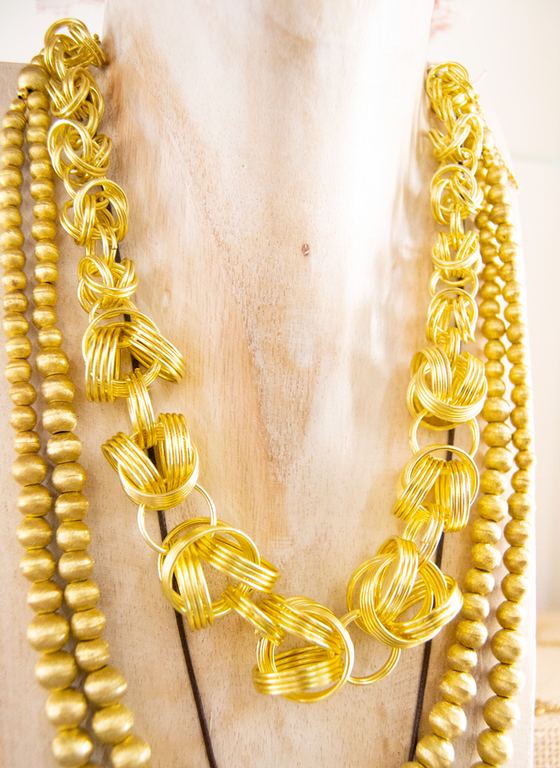
Zingarella
Città di San Marino (SM) · 19.9 km

VERTAGLIA INFISSI SpA
Santarcangelo di Romagna (RN) · 30.4 km
Settimo Senso® Riccione Specialisti in Rimodellamento Corporeo
Riccione (RN) · 31.6 km
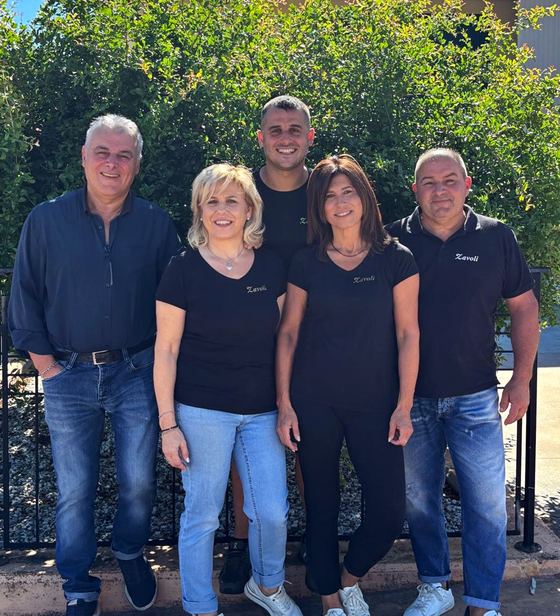
Società Agricola Zavoli S.s
Poggio Berni (RN) · 31.8 km

BENEDETTINI AUTO di Gianni Benedettini
Santarcangelo di Romagna (RN) · 34.1 km
