
In Calitri, in upper Irpinia, the tradition of ageing cheeses in natural caves carved into the tufa gives dairy products distinctive organoleptic qualities linked to the underground microclimate. It is a niche artisanal practice that survives in a village already known for its DOCG wine production.
Calitri sits on the Campanian-Lucanian Apennines, on the eastern edge of Irpinia, where the province of Avellino stretches out to meet the borders of Basilicata and Puglia. The village is built on a tufaceous outcrop overlooking the Ofanto valley, and it is precisely in the nature of that rock — porous, able to breathe, sensitive to seasonal shifts only at the surface — that one finds one of the reasons behind a cheesemaking practice with ancient roots in this territory.
The caves carved into the tufa, used as ageing environments, offer conditions that no refrigerated cellar can replicate with the same complexity. Temperature stays constant at around ten to twelve degrees Celsius throughout the year, and relative humidity remains high without ever turning stagnant, because the rock absorbs and releases water vapour according to its own rhythms. Within this microclimate, colonies of moulds and bacteria develop that act slowly on the cheese paste, transforming the proteins and fats of the milk into aromatic structures of remarkable complexity. The result is a dark, rough rind, at times mottled, and an interior that can range from pale straw to deep yellow depending on the degree of maturation.
The cheese most closely identified with this tradition is Caciocavallo Irpino, made from cow's milk worked into a stretched-curd paste (pasta filata) using a technique found throughout Southern Italy, but which in Calitri finds its distinctive character in cave ageing. The forms are hung in pairs, tied by a cord passed around the neck, and suspended from horizontal beams inside the cavities. Maturation can last from a few months to over a year, and each stage leaves recognisable traces in the flavour profile: milky, buttery notes in the shorter agings, and more decisive hints of hay, dried fruit and spice in the more mature forms.
Among the producers keeping this practice alive is Caseificio D&D, run by the Di Cecca family, which works milk from local farms and uses the natural caves as an integral part of the production process. Short supply chains and direct control over raw materials are elements that, in this context, are far from decorative — they have a concrete impact on the quality of the finished product. Calitri thus takes its place within an Irpinia that, alongside its wine denominations — chief among them Taurasi DOCG and Fiano di Avellino DOCG — has developed a cheesemaking culture able to hold its own alongside wine in complexity and in its ties to the landscape.
Lucamato · CC BY-SA 4.0 — Wikimedia Commons
Certified Made in Italy businesses close to this place.
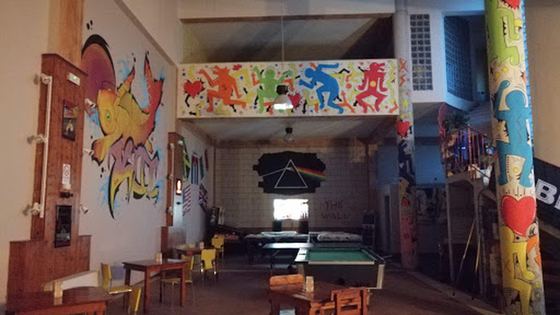
NAMASTE' COCKTAIL BAR
Rionero In Vulture (PZ) · 20.6 km
PARAFARMACIA L'ELISIR - Farmacia Veterinaria
Lioni (AV) · 21 km
ENO' ENOGASTRONOMIA DEI PASSANTI
Melfi (PZ) · 21.6 km
SUPER MARKET DA MANU
San Gregorio Magno (SA) · 27 km
Mary Beauty Center
Oliveto Citra (SA) · 28.1 km

Az. Agricola Bello - DueCuori OlioEvo
Vietri di Potenza (PZ) · 33.4 km
